Delhi HC Seeks Solution For Disabled Access To Films
Delhi High Court calls for a broader solution to make films accessible to persons with disabilities. A joint meeting has been directed to find a mutually acceptable solution.
'%3E%3Crect%20width%3D'96'%20height%3D'96'%20fill%3D'%23B3261E'%2F%3E%3Ccircle%20cx%3D'30'%20cy%3D'24'%20r%3D'44'%20fill%3D'%23fff'%20opacity%3D'.12'%2F%3E%3Ccircle%20cx%3D'60'%20cy%3D'74'%20r%3D'40'%20fill%3D'%23000'%20opacity%3D'.10'%2F%3E%3C%2Fg%3E%3Cg%20fill%3D'%23fff'%3E%3Crect%20x%3D'29'%20y%3D'49'%20width%3D'8'%20height%3D'19'%20rx%3D'1'%2F%3E%3Crect%20x%3D'39'%20y%3D'40'%20width%3D'9'%20height%3D'28'%20rx%3D'1'%2F%3E%3Crect%20x%3D'50'%20y%3D'45'%20width%3D'8'%20height%3D'23'%20rx%3D'1'%2F%3E%3Crect%20x%3D'60'%20y%3D'53'%20width%3D'7'%20height%3D'15'%20rx%3D'1'%2F%3E%3Crect%20x%3D'41'%20y%3D'34'%20width%3D'5'%20height%3D'6'%2F%3E%3C%2Fg%3E%3C%2Fsvg%3E)
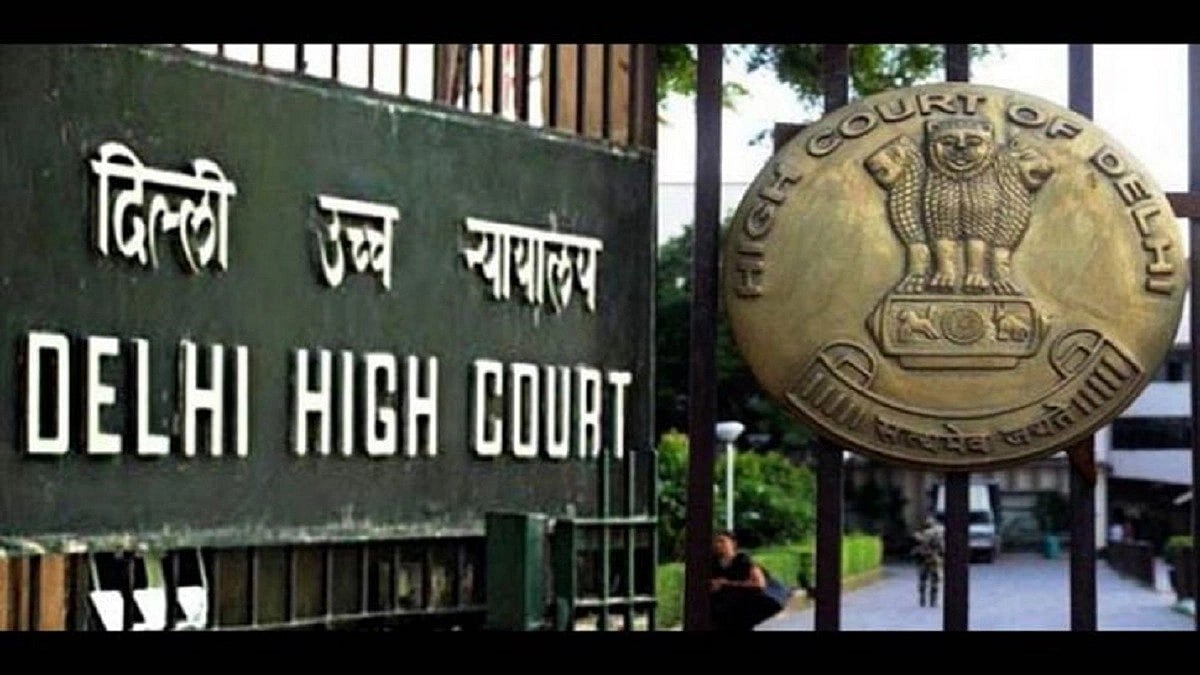
The Delhi High Court has directed all stakeholders to hold a joint meeting to discuss and find a solution to make films accessible to persons with disabilities.
Justice Swarana Kanta Sharma was hearing a petition filed by visually impaired petitioner Rahul Bajaj, who sought directions to ensure that the film Pushpa 2: The Rule was released with accessibility features.
However, the court observed that the issue cannot be restricted to one film and has wider implications. The court has given all stakeholders an opportunity to discuss the concerns and explore a mutually acceptable solution within two weeks.
Bajaj submitted that his grievance was not limited to Pushpa 2: The Rule, but persons with disabilities continued to face similar difficulties in accessing other films. He alleged that despite a statutory and regulatory framework requiring accessibility for persons with disabilities, films continued to be exhibited without such features on a universal basis.
The petition said that even when accessibility features were available, they were often restricted to select theatres and could require an application process that was itself allegedly inaccessible.
Bajaj had sought directions to ensure that Pushpa 2: The Rule was released with accessibility features across cinema theatres, over-the-top (OTT) platforms and other media formats. He also sought implementation of accessibility standards issued by the Ministry of Information and Broadcasting.
The petition further sought directions concerning assistive devices and technologies in theatres, action against inaccessible digital ticket-booking platforms and publication of information on films certified with or without accessibility features.
The respondents submitted that the grievance concerning Pushpa 2: The Rule had already been addressed and appropriate measures had been taken. However, the court took note of the wider issue raised by Bajaj and directed the stakeholders to deliberate on film accessibility.
The court's direction reflects the need to look beyond accessibility measures for individual films and address the larger difficulties faced by persons with disabilities.
The issue of accessibility in films is not new, and it has been a long-standing concern for persons with disabilities. The Rights of Persons with Disabilities Act, 2016, requires that all public buildings, including cinema theatres, be made accessible to persons with disabilities.
However, the implementation of this law has been slow, and many cinema theatres still do not have the necessary accessibility features. The court's direction is a step in the right direction, and it is hoped that it will lead to a more inclusive and accessible film industry.
The solution to this issue will have a significant impact on the lives of persons with disabilities, who will be able to enjoy films on an equal footing with other members of the public. It will also promote the values of equality and inclusivity, which are essential for a just and fair society.
Frequently asked questions
What is the issue of accessibility in films?
The issue of accessibility in films refers to the lack of accessibility features such as audio description, same-language closed captioning or subtitling and Indian Sign Language in films, which prevents persons with disabilities from accessing them on an equal footing with other members of the public.
What is the Rights of Persons with Disabilities Act, 2016?
The Rights of Persons with Disabilities Act, 2016, is a law that requires that all public buildings, including cinema theatres, be made accessible to persons with disabilities.