RBI Swap Facility Draws $40.8bn Foreign Inflows
RBI's special swap facility attracts massive foreign investment, boosts forex reserves.
'%3E%3Crect%20width%3D'96'%20height%3D'96'%20fill%3D'%230B6E4F'%2F%3E%3Ccircle%20cx%3D'30'%20cy%3D'24'%20r%3D'44'%20fill%3D'%23fff'%20opacity%3D'.12'%2F%3E%3Ccircle%20cx%3D'60'%20cy%3D'74'%20r%3D'40'%20fill%3D'%23000'%20opacity%3D'.10'%2F%3E%3C%2Fg%3E%3Cg%20fill%3D'none'%20stroke%3D'%23fff'%20stroke-width%3D'3.2'%20stroke-linecap%3D'round'%20stroke-linejoin%3D'round'%3E%3Cpolyline%20points%3D'31%2C59%2041%2C49%2049%2C54%2063%2C37'%2F%3E%3Cpolyline%20points%3D'55%2C37%2063%2C37%2063%2C45'%2F%3E%3C%2Fg%3E%3C%2Fsvg%3E)
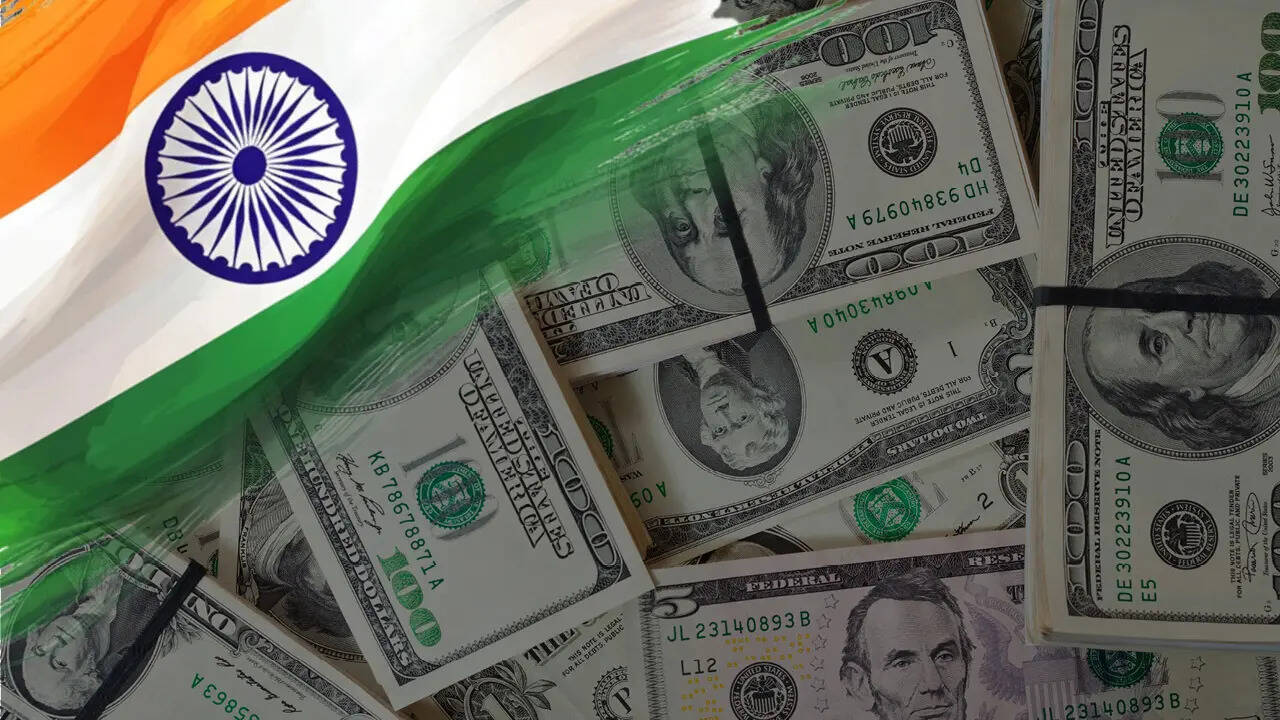
The Reserve Bank of India's (RBI) special swap facility has drawn a significant amount of foreign exchange inflows, reaching $40.816 billion by the end of July. This marks a substantial increase from the $20.718 billion reported just two weeks prior, indicating a near doubling of foreign investment in this short period.
The primary driver of these inflows was the Foreign Currency Non-Resident (Banks) or FCNR(B) deposits, which contributed $36.725 billion to the total collections. Additionally, overseas foreign currency and external commercial borrowings also added substantial amounts to the facility.
The special swap facility was introduced by the RBI to strengthen the balance of payments and incentivize capital inflows into the country. This move is aimed at bolstering India's foreign exchange reserves and mitigating any potential risks associated with the balance of payments.
The significant increase in foreign exchange inflows under this facility is a positive development for the Indian economy, as it indicates a growing confidence among foreign investors in the country's economic prospects. The RBI's efforts to attract foreign investment and stabilize the balance of payments are yielding results, which could have a positive impact on the overall economic growth.
In recent times, the Indian economy has been facing challenges related to the balance of payments, primarily due to a widening trade deficit. The RBI's special swap facility is a timely intervention aimed at addressing these challenges and ensuring that the country's foreign exchange reserves remain at a comfortable level.
The success of the special swap facility in attracting foreign exchange inflows is also a testament to the RBI's proactive approach to managing the country's external sector. The central bank has been taking various measures to stabilize the balance of payments and promote foreign investment, which are critical for sustaining economic growth.
The impact of the special swap facility on the Indian economy will be closely watched in the coming months. If the facility continues to attract significant foreign exchange inflows, it could help to stabilize the balance of payments and promote economic growth.
In conclusion, the RBI's special swap facility has been successful in attracting a significant amount of foreign exchange inflows, which is a positive development for the Indian economy. The facility's success is a testament to the RBI's efforts to strengthen the balance of payments and promote foreign investment, which are critical for sustaining economic growth.
The Indian economy is expected to benefit from the increased foreign exchange inflows, which could help to stabilize the balance of payments and promote economic growth. The RBI's special swap facility is a significant step towards achieving this goal, and its success will be closely watched in the coming months.
The special swap facility is also expected to have a positive impact on the country's foreign exchange reserves, which are critical for maintaining economic stability. The increased foreign exchange inflows will help to bolster the reserves, which will provide a cushion against any potential external shocks.
Overall, the RBI's special swap facility has been a successful initiative in attracting foreign exchange inflows and promoting economic growth. The facility's success is a testament to the RBI's proactive approach to managing the country's external sector, and its impact will be closely watched in the coming months.
Frequently asked questions
What is the purpose of RBI's special swap facility?
The facility aims to strengthen the balance of payments and incentivize capital inflows.
How much have foreign exchange inflows increased under the facility?
Foreign exchange inflows have nearly doubled, reaching $40.816 billion by the end of July, from $20.718 billion reported two weeks prior.