Parliament Uses Gen Z Slang, But Does It Understand?
Gen Z terms like 'delulu' enter Parliament, sparking debate on understanding the digital-first generation
'%3E%3Crect%20width%3D'96'%20height%3D'96'%20fill%3D'%231A5276'%2F%3E%3Ccircle%20cx%3D'30'%20cy%3D'24'%20r%3D'44'%20fill%3D'%23fff'%20opacity%3D'.12'%2F%3E%3Ccircle%20cx%3D'60'%20cy%3D'74'%20r%3D'40'%20fill%3D'%23000'%20opacity%3D'.10'%2F%3E%3C%2Fg%3E%3Cg%20fill%3D'%23fff'%3E%3Cpath%20d%3D'M31%2041%20L48%2031%20L65%2041%20Z'%2F%3E%3Crect%20x%3D'33'%20y%3D'43'%20width%3D'4'%20height%3D'17'%2F%3E%3Crect%20x%3D'41'%20y%3D'43'%20width%3D'4'%20height%3D'17'%2F%3E%3Crect%20x%3D'51'%20y%3D'43'%20width%3D'4'%20height%3D'17'%2F%3E%3Crect%20x%3D'59'%20y%3D'43'%20width%3D'4'%20height%3D'17'%2F%3E%3Crect%20x%3D'30'%20y%3D'62'%20width%3D'36'%20height%3D'4'%20rx%3D'1'%2F%3E%3C%2Fg%3E%3C%2Fsvg%3E)
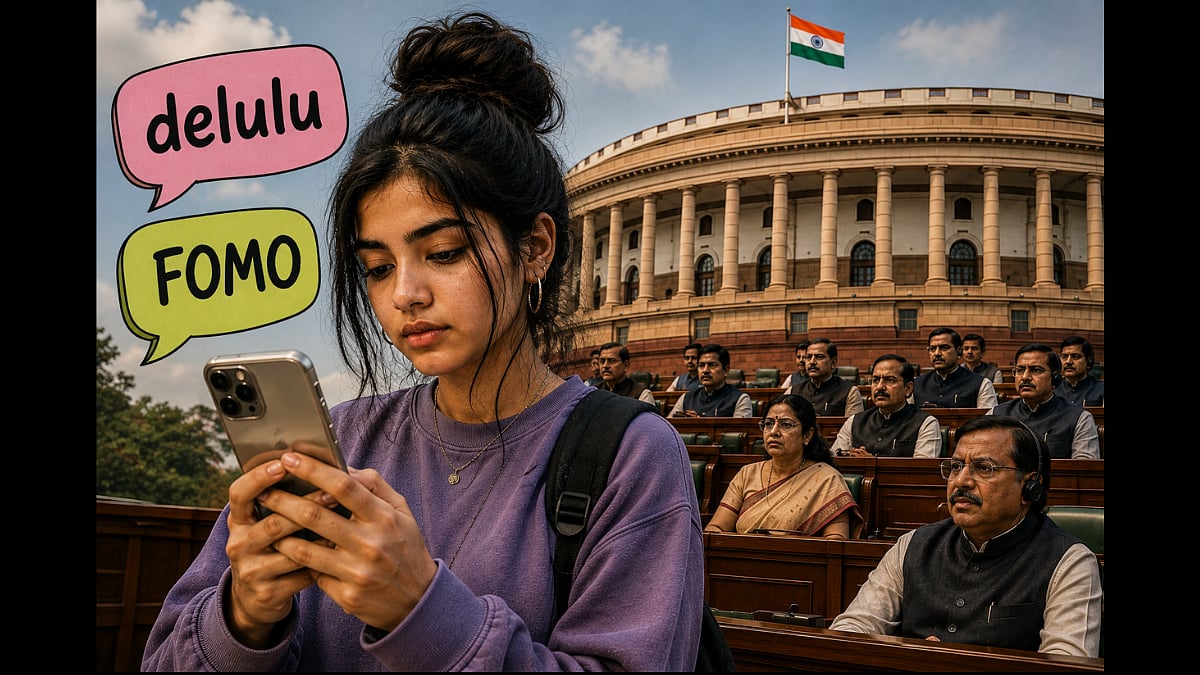
A recent incident in Parliament where politicians used Gen Z expressions like 'delulu' and 'FOMO' sparked a mix of reactions on social media and television. While some applauded the effort to speak the language of young India, others questioned whether older generations truly understand the generation that created these terms.
According to advocate Kunal Yadav, 29, who participated in the Jantar Mantar protests, speaking like Gen Z is easier than understanding them. This digital-first generation has grown up with the internet and smartphones, shaping their worldview and relationship with information.
Gen Z is the first generation to be raised entirely within the internet, with their classrooms, friendships, and political education happening online. This has led to a unique challenge - information overload - and a distinct approach to authority, with a greater inclination to question institutions.
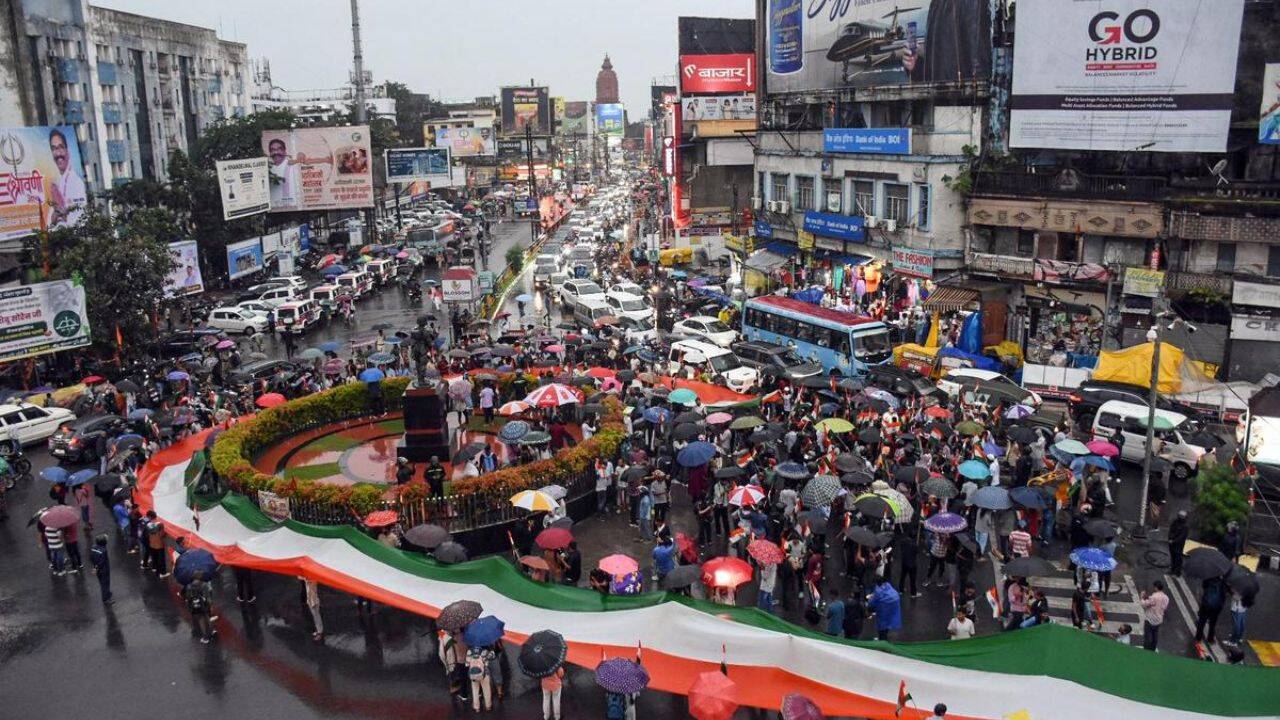
The recent nationwide protests, led by Gen Z, offered a glimpse into how this generation organizes, communicates, and expresses dissent. With instant access to information, they are more likely to question, verify, record, and share, using tools like screenshots, videos, and live streams for civic participation.
The technological shift has altered not only communication but also citizenship, with participation becoming instantaneous and silence difficult. Gen Z documents incidents before reacting, as what gets documented often becomes what gets discussed. Unlike earlier generations, they carry a newsroom in their pocket, with every phone serving as a camera, television studio, archive, and publishing house.
This shift has significant implications for how information spreads and how national conversations are shaped. An incident at a protest site can now become a national issue within minutes, as seen recently.
The question remains whether older generations, including politicians, truly understand Gen Z beyond just using their slang. As the digital landscape continues to evolve, it is essential to grasp the underlying values and attitudes that shape this generation's worldview.
In conclusion, while the use of Gen Z slang in Parliament may be a step towards bridging the gap between generations, it is crucial to move beyond mere terminology and strive for a deeper understanding of the digital-first generation that is shaping the future of India.
Frequently asked questions
What is Gen Z's relationship with authority?
Gen Z is more inclined to question institutions than defer to them, using tools like screenshots and live streams for civic participation.
How has the internet shaped Gen Z's worldview?
The internet has shaped Gen Z's worldview by providing instant access to information, altering their approach to authority, and changing how they communicate and express dissent.