Chlorophyll Reaches 1,000 Metres Deep
Scientists uncover the mystery, surface chlorophyll found deep, unexpected discovery
'%3E%3Crect%20width%3D'96'%20height%3D'96'%20fill%3D'%23B3261E'%2F%3E%3Ccircle%20cx%3D'30'%20cy%3D'24'%20r%3D'44'%20fill%3D'%23fff'%20opacity%3D'.12'%2F%3E%3Ccircle%20cx%3D'60'%20cy%3D'74'%20r%3D'40'%20fill%3D'%23000'%20opacity%3D'.10'%2F%3E%3C%2Fg%3E%3Cg%20fill%3D'%23fff'%3E%3Crect%20x%3D'29'%20y%3D'49'%20width%3D'8'%20height%3D'19'%20rx%3D'1'%2F%3E%3Crect%20x%3D'39'%20y%3D'40'%20width%3D'9'%20height%3D'28'%20rx%3D'1'%2F%3E%3Crect%20x%3D'50'%20y%3D'45'%20width%3D'8'%20height%3D'23'%20rx%3D'1'%2F%3E%3Crect%20x%3D'60'%20y%3D'53'%20width%3D'7'%20height%3D'15'%20rx%3D'1'%2F%3E%3Crect%20x%3D'41'%20y%3D'34'%20width%3D'5'%20height%3D'6'%2F%3E%3C%2Fg%3E%3C%2Fsvg%3E)
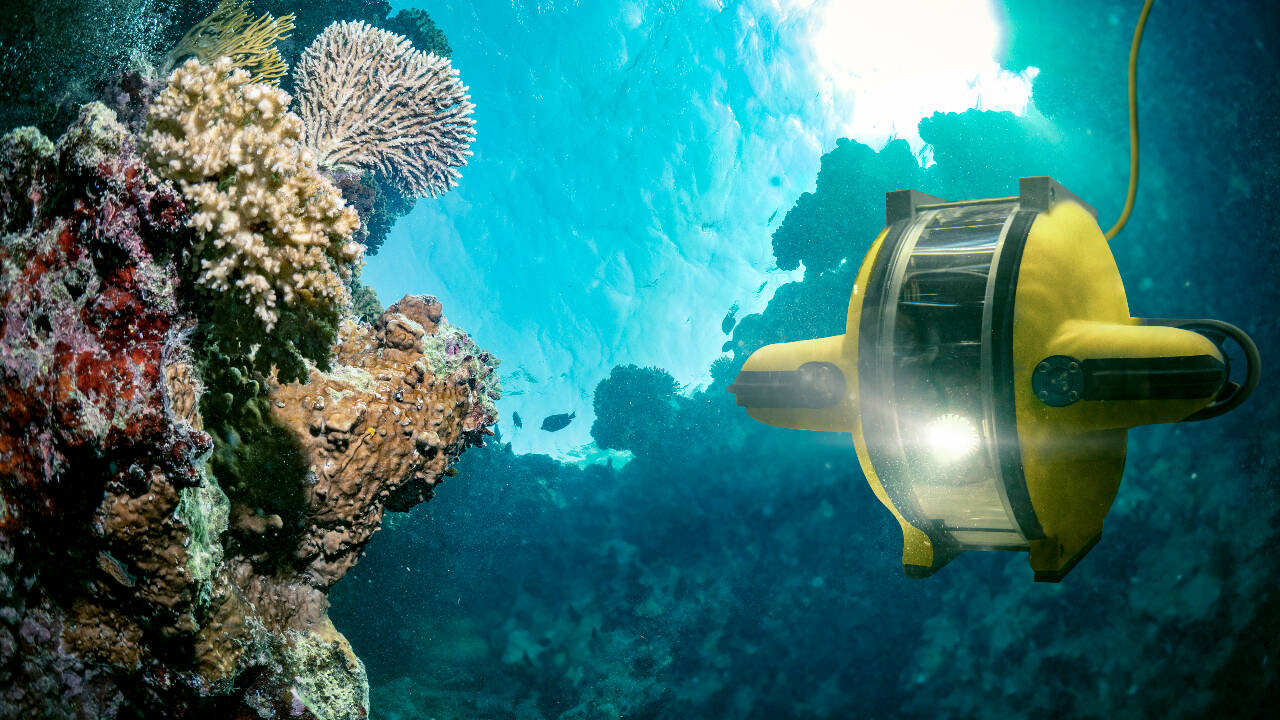
Scientists have made a groundbreaking discovery explaining how surface chlorophyll reached an astonishing 1,000 metres deep. This phenomenon has left many in the scientific community intrigued, as chlorophyll is typically found near the surface of the ocean where sunlight is abundant.
The research team behind this study has shed light on the mechanisms that allow chlorophyll to descend to such great depths. According to their findings, certain oceanic conditions and processes enable the transportation of chlorophyll from the surface to the deep sea.
Chlorophyll is a crucial component of phytoplankton, which are microscopic plants that form the base of the marine food chain. The presence of chlorophyll at great depths suggests that phytoplankton may be more resilient and adaptable than previously thought.
The discovery of chlorophyll at 1,000 metres deep has significant implications for our understanding of the ocean's ecosystem. It highlights the complexity and interconnectedness of marine life, and underscores the need for further research into the ocean's depths.
The ocean is a vast and largely unexplored environment, with much still to be discovered. This finding is a testament to the power of scientific inquiry and the importance of continued exploration and research into the natural world.
The research team's findings have sparked excitement and curiosity among scientists, who are eager to learn more about the mechanisms that allow chlorophyll to reach such great depths. As research continues to uncover the secrets of the ocean, we may yet discover even more surprising and unexpected phenomena.
In the context of the ocean's ecosystem, the presence of chlorophyll at great depths raises important questions about the distribution and abundance of phytoplankton. It also highlights the need for further study into the impact of climate change on marine life and the ocean's ecosystem as a whole.
The discovery of chlorophyll at 1,000 metres deep is a significant one, with far-reaching implications for our understanding of the ocean and its inhabitants. As scientists continue to explore and research the ocean, we can expect to uncover even more surprising and fascinating secrets about this vast and complex environment.
In conclusion, the finding of chlorophyll at 1,000 metres deep is a remarkable discovery that has significant implications for our understanding of the ocean's ecosystem. It highlights the importance of continued research and exploration into the natural world, and underscores the complexity and interconnectedness of marine life.
What this means for us is that there is still much to be learned about the ocean and its inhabitants, and that continued research and exploration are essential for advancing our understanding of this complex and fascinating environment.
Frequently asked questions
What is the significance of chlorophyll being found 1,000 metres deep?
The presence of chlorophyll at great depths suggests that phytoplankton may be more resilient and adaptable than previously thought, and has significant implications for our understanding of the ocean's ecosystem.
How does chlorophyll typically get to such great depths?
According to the research team, certain oceanic conditions and processes enable the transportation of chlorophyll from the surface to the deep sea.