Centre Seeks Transfer Of Anil Ambani's Black Money Act Plea To Delhi HC
Centre moves Supreme Court, Anil Ambani challenges Black Money Act, transfer to Delhi HC sought
'%3E%3Crect%20width%3D'96'%20height%3D'96'%20fill%3D'%23B3261E'%2F%3E%3Ccircle%20cx%3D'30'%20cy%3D'24'%20r%3D'44'%20fill%3D'%23fff'%20opacity%3D'.12'%2F%3E%3Ccircle%20cx%3D'60'%20cy%3D'74'%20r%3D'40'%20fill%3D'%23000'%20opacity%3D'.10'%2F%3E%3C%2Fg%3E%3Cg%20fill%3D'%23fff'%3E%3Crect%20x%3D'29'%20y%3D'49'%20width%3D'8'%20height%3D'19'%20rx%3D'1'%2F%3E%3Crect%20x%3D'39'%20y%3D'40'%20width%3D'9'%20height%3D'28'%20rx%3D'1'%2F%3E%3Crect%20x%3D'50'%20y%3D'45'%20width%3D'8'%20height%3D'23'%20rx%3D'1'%2F%3E%3Crect%20x%3D'60'%20y%3D'53'%20width%3D'7'%20height%3D'15'%20rx%3D'1'%2F%3E%3Crect%20x%3D'41'%20y%3D'34'%20width%3D'5'%20height%3D'6'%2F%3E%3C%2Fg%3E%3C%2Fsvg%3E)
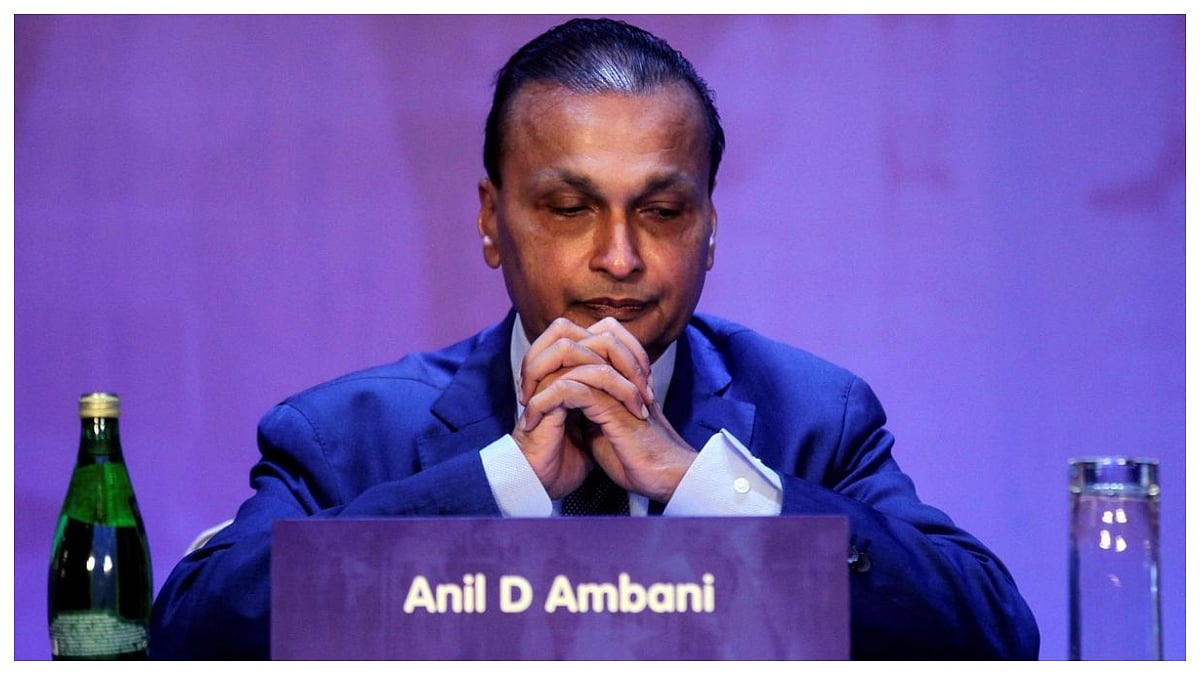
The Centre has approached the Supreme Court to transfer a petition filed by Anil Ambani, chairman and managing director of the Reliance Group, from the Bombay High Court to the Delhi High Court. The petition challenges the Black Money (Undisclosed Foreign Income and Assets) and Imposition of Tax Act, 2015.
The matter was heard by a Bench headed by Chief Justice of India Surya Kant on Tuesday. The Centre has been granted two weeks to submit detailed information about similar challenges pending across different High Courts.
During the hearing, the Supreme Court questioned the Centre's request to transfer the petition to the Delhi High Court. The Bench asked why one High Court was being preferred over another and why the transfer was being sought.
Advocate Zoheb Hossain, representing the Union government, argued that the plea before the Bombay High Court has not made progress, whereas in the Delhi High Court, the matter is ready for hearing. However, CJI Kant suggested that the cases can be decided by the Delhi High Court first and then the decisions can be cited before the Bombay High Court.
Hossain raised concerns about the multiplicity of proceedings before different forums. He argued that if the Delhi High Court matters are decided first, the other side may demand that those matters be transferred to Bombay.
The Centre's request to transfer the petition is based on the argument that it would avoid multiple proceedings and ensure a consistent decision. However, the Supreme Court has sought more information before making a decision.
The Black Money Act, 2015, aims to curb black money stored abroad by Indian citizens. The Act imposes penalties and taxes on undisclosed foreign income and assets. Anil Ambani's petition challenges the constitutionality of the Act.
The Supreme Court's decision on the transfer petition will have implications for similar challenges pending in different High Courts. The Centre's move to transfer the petition to the Delhi High Court is seen as an attempt to consolidate similar cases and ensure a consistent decision.
The case will be heard again after the Centre submits the detailed information about similar challenges pending across different High Courts. The Supreme Court's decision will be closely watched, as it will have significant implications for the Black Money Act and its implementation.
In a related development, the CBI has registered a case against Reliance Capital and its former chairman Anil Ambani for allegedly investing ₹1,816 crore of EPFO funds in non-compliant securities. The case is being investigated by the CBI and is separate from the Black Money Act challenge.
The Supreme Court's decision on the transfer petition will be significant, as it will determine the forum for hearing the challenge to the Black Money Act. The case has implications for the implementation of the Act and the government's efforts to curb black money stored abroad by Indian citizens.
The Centre's move to transfer the petition to the Delhi High Court is seen as an attempt to ensure a consistent decision and avoid multiple proceedings. However, the Supreme Court's decision will depend on the detailed information submitted by the Centre and the arguments presented by both sides.
In conclusion, the Centre's request to transfer Anil Ambani's Black Money Act plea to the Delhi High Court is a significant development in the case. The Supreme Court's decision will have implications for the implementation of the Act and the government's efforts to curb black money stored abroad by Indian citizens.
Frequently asked questions
Why is the Centre seeking to transfer Anil Ambani's Black Money Act plea?
The Centre is seeking to transfer the plea to the Delhi High Court to avoid multiplicity of proceedings and ensure a consistent decision.
What is the Black Money Act, 2015?
The Black Money Act, 2015, aims to curb black money stored abroad by Indian citizens by imposing penalties and taxes on undisclosed foreign income and assets.