West African Coral Reef Found Alive After 60 Years
A coral reef presumed extinct for 60 years is thriving. Researchers used underwater drones to discover it.
'%3E%3Crect%20width%3D'96'%20height%3D'96'%20fill%3D'%23B3261E'%2F%3E%3Ccircle%20cx%3D'30'%20cy%3D'24'%20r%3D'44'%20fill%3D'%23fff'%20opacity%3D'.12'%2F%3E%3Ccircle%20cx%3D'60'%20cy%3D'74'%20r%3D'40'%20fill%3D'%23000'%20opacity%3D'.10'%2F%3E%3C%2Fg%3E%3Cg%20fill%3D'%23fff'%3E%3Crect%20x%3D'29'%20y%3D'49'%20width%3D'8'%20height%3D'19'%20rx%3D'1'%2F%3E%3Crect%20x%3D'39'%20y%3D'40'%20width%3D'9'%20height%3D'28'%20rx%3D'1'%2F%3E%3Crect%20x%3D'50'%20y%3D'45'%20width%3D'8'%20height%3D'23'%20rx%3D'1'%2F%3E%3Crect%20x%3D'60'%20y%3D'53'%20width%3D'7'%20height%3D'15'%20rx%3D'1'%2F%3E%3Crect%20x%3D'41'%20y%3D'34'%20width%3D'5'%20height%3D'6'%2F%3E%3C%2Fg%3E%3C%2Fsvg%3E)
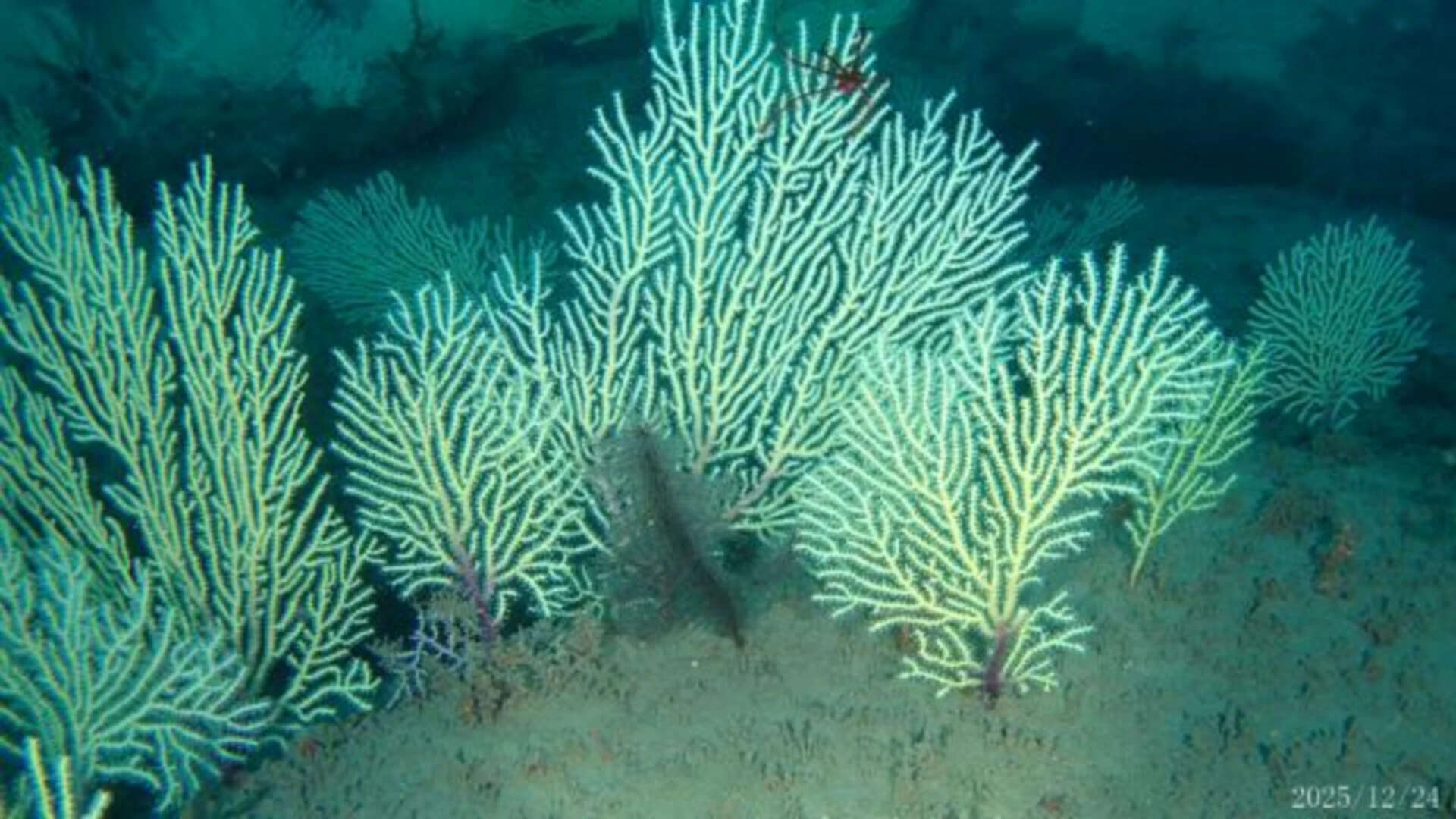
A coral reef off the coast of West Africa, thought to be extinct for sixty years, has been rediscovered teeming with life. The reef, located in a low-light environment beneath the ocean's surface, is home to a diverse array of fish and coral species.
The discovery was made possible by the use of underwater drones, which allowed researchers to explore the reef in detail. The findings are significant, as they suggest that the reef has been thriving in secret for decades.
Researchers believe that the reef's ability to survive in a low-light environment is due to its unique characteristics. The reef is a mesophotic coral ecosystem, which means it is able to thrive in areas with limited sunlight.
The discovery of this reef has significant implications for our understanding of the evolutionary history of the region's marine life. It also provides valuable insights into past environmental changes in the area.
The researchers speculate that similar hidden reefs could exist along the West African coastline, waiting to be discovered. This raises the possibility of finding other thriving ecosystems that have been overlooked or underestimated.
The use of underwater drones in this discovery highlights the importance of technology in exploring and understanding our oceans. These drones allow researchers to access areas that were previously inaccessible, providing new insights into the marine world.
The discovery of the West African coral reef is a significant finding, and one that will likely have a major impact on our understanding of the region's marine ecosystem. It also raises questions about the potential for other hidden reefs to exist in the area, and what this might mean for our understanding of the ocean's biodiversity.
In the coming years, researchers will likely continue to study the reef, learning more about its unique characteristics and the species that call it home. This will provide valuable insights into the reef's role in the larger ecosystem, and how it has managed to thrive for so long.
The discovery of the West African coral reef is a reminder of the importance of continued exploration and research into our oceans. It highlights the potential for new discoveries, and the need to protect and preserve these unique ecosystems for future generations.
The finding is also a testament to the resilience of marine life, and the ability of ecosystems to thrive in unexpected places. It will likely have a significant impact on our understanding of the ocean's biodiversity, and the importance of preserving these ecosystems for the future.
In conclusion, the discovery of the West African coral reef is a significant finding, one that highlights the importance of continued exploration and research into our oceans. It raises questions about the potential for other hidden reefs to exist in the area, and what this might mean for our understanding of the ocean's biodiversity.
The discovery will likely have a major impact on our understanding of the region's marine ecosystem, and the importance of preserving these unique ecosystems for future generations. It is a reminder of the importance of protecting and preserving our oceans, and the need for continued research and exploration into these unique ecosystems.
The researchers' use of underwater drones to discover the reef is a significant step forward in our ability to explore and understand the ocean. It highlights the potential for new technologies to aid in the discovery of new ecosystems, and the importance of continued innovation in this field.
The discovery of the West African coral reef is a significant finding, and one that will likely have a major impact on our understanding of the ocean's biodiversity. It is a reminder of the importance of continued exploration and research into our oceans, and the need to protect and preserve these unique ecosystems for future generations.
The finding is also a testament to the resilience of marine life, and the ability of ecosystems to thrive in unexpected places. It will likely have a significant impact on our understanding of the ocean's biodiversity, and the importance of preserving these ecosystems for the future.
Frequently asked questions
What type of coral reef was discovered off West Africa?
A mesophotic coral ecosystem, which thrives in low-light environments.
How was the coral reef discovered?
Using underwater drones, which allowed researchers to explore the reef in detail.