Bombay HC to Hear Anticipatory Bail Plea of Former TISS Student
Former TISS student Kamakhya Das seeks bail, denies wrongdoing in slogans case
'%3E%3Crect%20width%3D'96'%20height%3D'96'%20fill%3D'%23B3261E'%2F%3E%3Ccircle%20cx%3D'30'%20cy%3D'24'%20r%3D'44'%20fill%3D'%23fff'%20opacity%3D'.12'%2F%3E%3Ccircle%20cx%3D'60'%20cy%3D'74'%20r%3D'40'%20fill%3D'%23000'%20opacity%3D'.10'%2F%3E%3C%2Fg%3E%3Cg%20fill%3D'%23fff'%3E%3Crect%20x%3D'29'%20y%3D'49'%20width%3D'8'%20height%3D'19'%20rx%3D'1'%2F%3E%3Crect%20x%3D'39'%20y%3D'40'%20width%3D'9'%20height%3D'28'%20rx%3D'1'%2F%3E%3Crect%20x%3D'50'%20y%3D'45'%20width%3D'8'%20height%3D'23'%20rx%3D'1'%2F%3E%3Crect%20x%3D'60'%20y%3D'53'%20width%3D'7'%20height%3D'15'%20rx%3D'1'%2F%3E%3Crect%20x%3D'41'%20y%3D'34'%20width%3D'5'%20height%3D'6'%2F%3E%3C%2Fg%3E%3C%2Fsvg%3E)
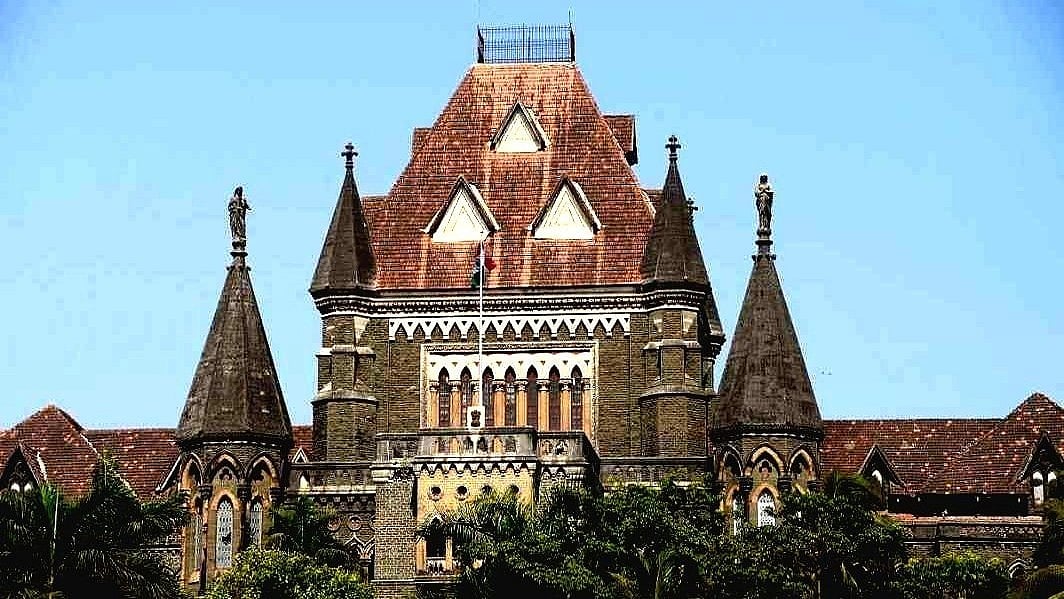
A former student of the Tata Institute of Social Sciences (TISS), Kamakhya Das, has approached the Bombay High Court seeking anticipatory bail in a case related to alleged inflammatory slogans raised at an unauthorised campus gathering. The gathering was held to mark the first death anniversary of former Delhi University professor G N Saibaba.
The case was registered at the Trombay police station and later transferred to the Crime Branch. According to the FIR, around 10-12 students gathered near a hostel without permission to pay tribute to Saibaba by lighting candles, reading poems, and raising slogans. The slogans allegedly included demands for the release of jailed activists Umar Khalid and Sharjeel Imam, both accused under the Unlawful Activities (Prevention) Act (UAPA).
Das has denied that any student raised inflammatory slogans, calling the allegations “untrue” and “completely unreliable”. He argues that offences such as unlawful assembly and promoting enmity between groups are not made out. The sessions court had recently rejected Das’ anticipatory bail plea, prompting him to approach the High Court.
The sessions court had granted anticipatory bail to seven other accused, observing that the allegations against them were limited and custodial interrogation was unnecessary. However, it denied relief to Das and another accused, citing allegations against them as being more serious. The court also noted that books published by CPI (Maoist) members were found on Das’ devices and that some information had been deleted.
Das has denied any wrongdoing, arguing that merely possessing or reading literature of a particular ideology is not a crime. He also stated that he had cooperated with the investigation and had been questioned for 12 to 15 hours over 10 months, making custodial interrogation unnecessary.
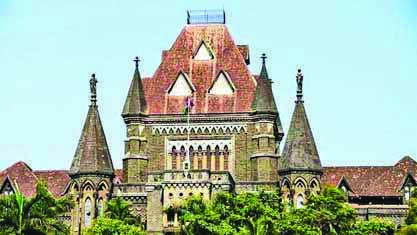
The Bombay High Court has agreed to hear the matter on Friday. Justice Prafulla Khubalkar will preside over the hearing. The case has sparked concerns about freedom of speech and the rights of students to express their opinions.
The TISS student community has been actively involved in various social and political issues, and the university has a history of promoting critical thinking and debate. The case against Das and other students has raised questions about the limits of free speech and the role of the state in regulating student activism.
The Bombay High Court’s decision in this case will be closely watched, as it will have implications for the rights of students and activists across the country. The court will need to balance the need to maintain public order with the need to protect the rights of citizens to express their opinions and assemble peacefully.
In recent years, there have been several cases of students and activists being arrested and charged with serious offences for participating in protests and rallies. The case against Das and other students is part of a larger trend of increasing scrutiny of student activism and the use of draconian laws to silence dissent.
The outcome of the case will depend on the court’s interpretation of the law and the evidence presented by the prosecution. However, regardless of the outcome, the case has already sparked a important debate about the rights of students and the limits of free speech in India.
The Bombay High Court’s decision will be a significant one, and it will have far-reaching implications for the rights of citizens to express their opinions and assemble peacefully. The case is a reminder of the importance of protecting fundamental rights and the need for the state to balance its duty to maintain public order with the need to protect the rights of citizens.
In conclusion, the case of Kamakhya Das and the other TISS students is an important one, and it highlights the need for the state to protect the rights of citizens to express their opinions and assemble peacefully. The Bombay High Court’s decision will be closely watched, and it will have significant implications for the rights of students and activists across the country.
Frequently asked questions
What is the case against Kamakhya Das about?
The case is related to alleged inflammatory slogans raised at an unauthorised campus gathering to mark the first death anniversary of former Delhi University professor G N Saibaba.
Why was Kamakhya Das’ anticipatory bail plea rejected by the sessions court?
The sessions court rejected Das’ anticipatory bail plea, citing allegations against him as being more serious and noting that books published by CPI (Maoist) members were found on his devices.