British Royal Family's Income Revealed
King Charles III and Prince William disclose tax contributions, royal finances explained.

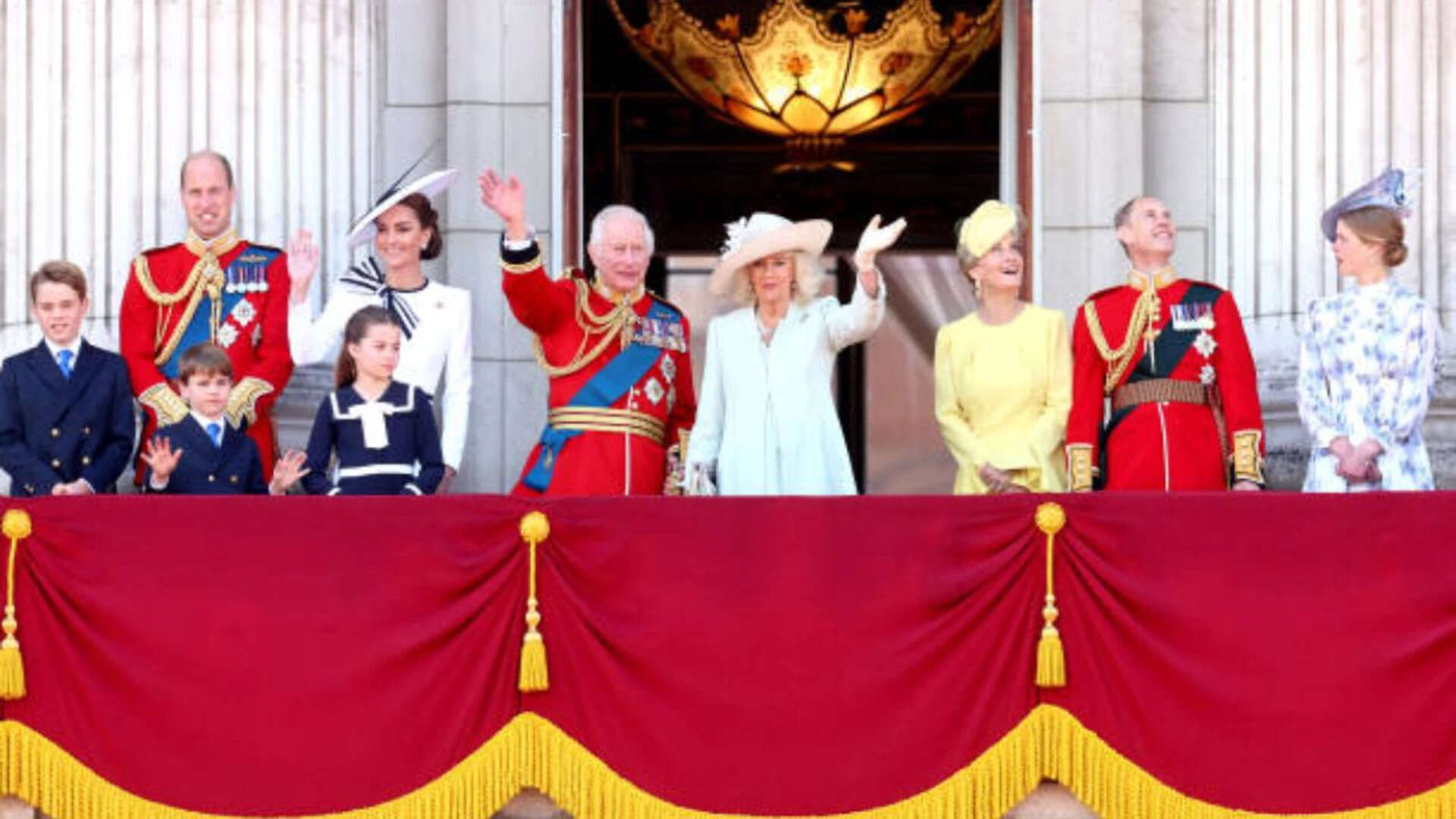
The British royal family's financial structure is based on the Sovereign Grant and private estates.
The Sovereign Grant is the primary source of funding for official royal duties and maintenance of palaces. This grant is generated from the profits of the Crown Estate.
King Charles III and Prince William have made significant tax contributions, demonstrating the royal family's financial commitment. The Duchies of Lancaster and Cornwall also play a crucial role in supporting the royal family's expenses.
The Duchy of Lancaster is a private estate that has been owned by the British monarch for over 700 years. It generates income through a portfolio of properties, investments, and assets.
The Duchy of Cornwall, on the other hand, supports the expenses of the Prince of Wales and his family. This estate has been providing financial support to the royal family for centuries.
The British monarchy's financial foundation is unique and complex. The combination of the Sovereign Grant and private estates ensures the royal family's financial stability.
The royal family's financial disclosures have provided insight into their income and expenses. The tax contributions made by King Charles III and Prince William demonstrate their commitment to financial transparency.
The British royal family's financial structure is an important aspect of their role in British society. Understanding how the royal family generates income and manages their finances is essential for appreciating their position in the country.
In conclusion, the British royal family's income is generated through a combination of the Sovereign Grant and private estates. The financial disclosures made by King Charles III and Prince William have provided valuable insight into the royal family's financial commitments and responsibilities.