Nations Use Sky to Send Strategic Messages
Military flypasts showcase national strength, technological prowess and global ambitions.

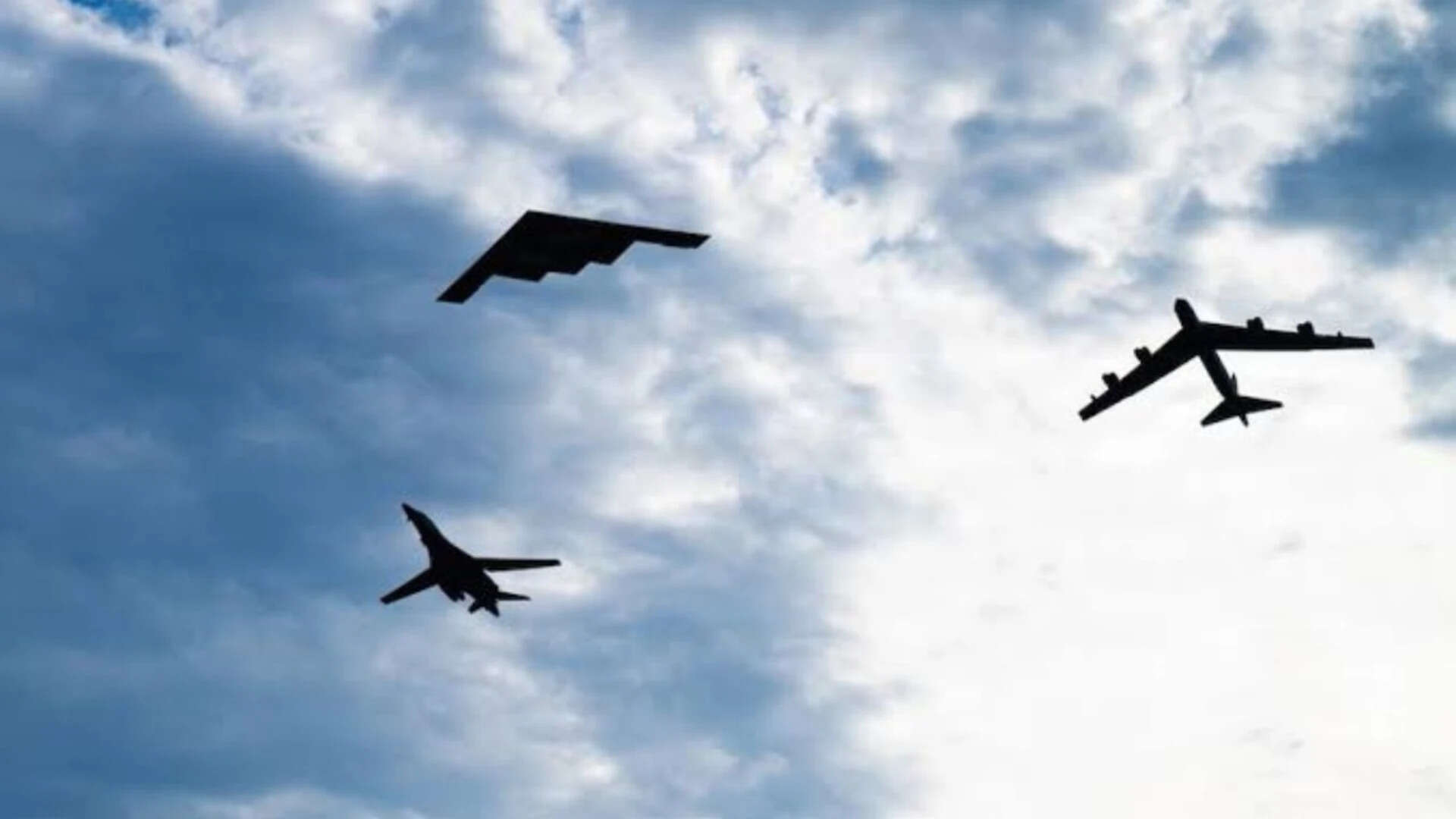
Military flypasts have been a significant aspect of national displays of strength and technological advancements for many years. The use of flypasts as a means of showcasing military power dates back to early ceremonial displays and has continued to evolve over time. One notable example of the strategic importance of flypasts is the post-WWII Tokyo Bay flyover, which demonstrated the military strength of the Allied forces. Similarly, during the Cold War, Soviet parades featured impressive flypasts that highlighted the nation's military capabilities.
The leaders of various nations, including the US, Russia, China, and India, have utilized flypasts to demonstrate their military modernization and global ambitions. These aerial spectacles serve as a means of reflecting the shifting geopolitical landscapes and showcasing each nation's strength and technological prowess. According to experts, these displays are not just a show of force but also a strategic message to other nations.
The use of flypasts as a means of strategic communication is not limited to historical events. Today, nations continue to use these aerial displays to convey important messages to their allies and adversaries. The timing and location of these flypasts are carefully chosen to maximize their impact and convey the desired message. For instance, a flypast over a disputed territory can be seen as a demonstration of a nation's commitment to defending its interests.
The impact of these flypasts can be significant, influencing the perceptions of other nations and shaping their foreign policy decisions. As nations continue to modernize their militaries and expand their global reach, the use of flypasts as a means of strategic communication is likely to remain an important aspect of international relations. In the future, we can expect to see more nations utilizing flypasts to demonstrate their military strength and technological advancements, reflecting the ongoing evolution of the global geopolitical landscape.
As the world becomes increasingly interconnected, the use of flypasts as a means of strategic communication is likely to continue to play a significant role in shaping international relations. Nations will continue to use these aerial displays to convey important messages, demonstrate their military strength, and showcase their technological prowess. The sky will remain an important platform for nations to send strategic messages, reflecting the ongoing competition for power and influence in the global arena.
In conclusion, military flypasts have been and will continue to be an important aspect of national displays of strength and technological advancements. The use of flypasts as a means of strategic communication reflects the shifting geopolitical landscapes and will remain a significant aspect of international relations in the years to come. As nations continue to modernize their militaries and expand their global reach, the sky will remain an important platform for sending strategic messages and demonstrating national strength.