BEST Finds 34% Wet-Lease Buses With Brake Defects
BEST inspection reveals brake and steering defects in 34% of wet-lease buses. Repairs pending on 94 buses after 3 months.
'%3E%3Crect%20width%3D'96'%20height%3D'96'%20fill%3D'%23B3261E'%2F%3E%3Ccircle%20cx%3D'30'%20cy%3D'24'%20r%3D'44'%20fill%3D'%23fff'%20opacity%3D'.12'%2F%3E%3Ccircle%20cx%3D'60'%20cy%3D'74'%20r%3D'40'%20fill%3D'%23000'%20opacity%3D'.10'%2F%3E%3C%2Fg%3E%3Cg%20fill%3D'%23fff'%3E%3Crect%20x%3D'29'%20y%3D'49'%20width%3D'8'%20height%3D'19'%20rx%3D'1'%2F%3E%3Crect%20x%3D'39'%20y%3D'40'%20width%3D'9'%20height%3D'28'%20rx%3D'1'%2F%3E%3Crect%20x%3D'50'%20y%3D'45'%20width%3D'8'%20height%3D'23'%20rx%3D'1'%2F%3E%3Crect%20x%3D'60'%20y%3D'53'%20width%3D'7'%20height%3D'15'%20rx%3D'1'%2F%3E%3Crect%20x%3D'41'%20y%3D'34'%20width%3D'5'%20height%3D'6'%2F%3E%3C%2Fg%3E%3C%2Fsvg%3E)
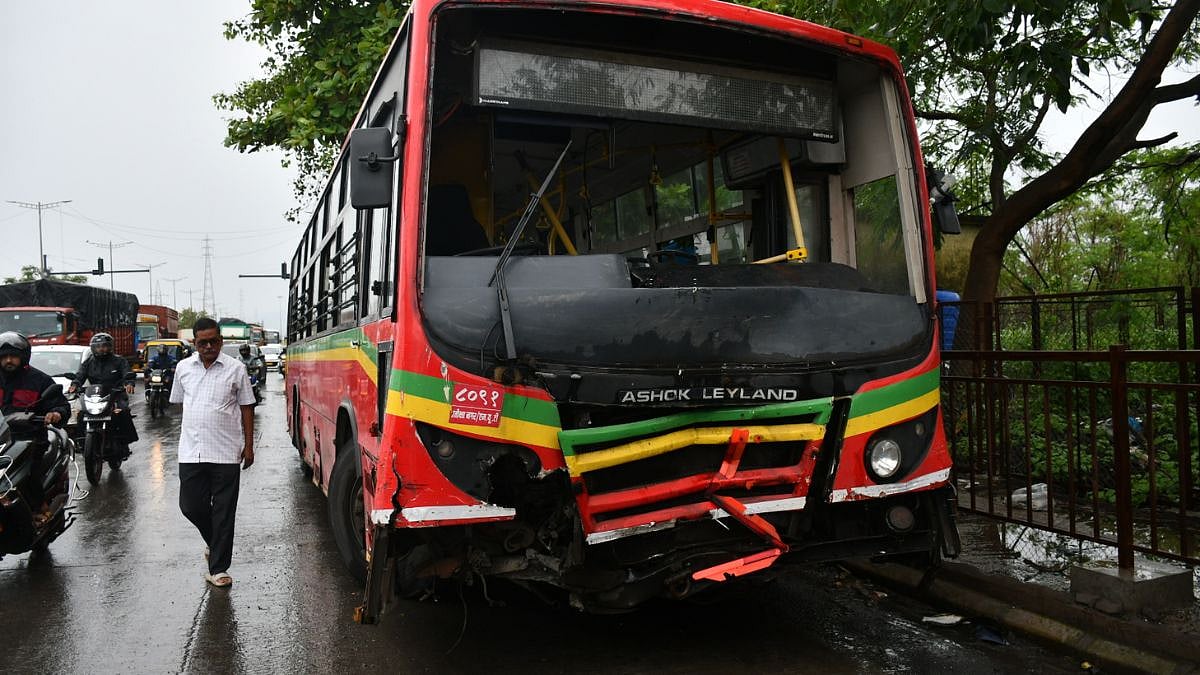
Mumbai's BEST (Brihanmumbai Electric Supply and Transport) undertaking has found that nearly 34% of its wet-lease buses have defects in critical brake and steering systems. This discovery was made after an internal inspection was conducted following a series of accidents involving these buses.
The inspection, which was ordered after BEST Committee member Nitin Nandgaonkar raised concerns in April, checked all 2,553 wet-lease buses. The results showed that 1,684 buses were free from technical defects, while 868 buses had serious issues linked to brakes and steering.
Of the buses with defects, 774 have been repaired and returned to service. However, work on 94 buses is still pending even after three months. This has raised fresh concerns over passenger safety and the effectiveness of the maintenance process.
Nandgaonkar has questioned whether any penalties have been imposed on the operators for the prolonged delay. He also expressed concerns that some of the repaired buses could be the ones involved in recent accidents. The engineering department has not provided a clear answer to this question.
Nandgaonkar further asked why repairs on 94 buses have taken more than three months if the defects are being addressed on priority. He believes that if 34% of buses had brake and steering problems, there could be other issues such as clutch and air pressure faults that are being overlooked, leading to an increase in accidents.
BEST officials have stated that all wet-lease operators have been instructed not to ignore any technical defect and to ensure timely repairs before buses are allowed back into service. The findings are likely to intensify scrutiny of the city's wet-lease bus operations amid growing concerns over commuter safety.
The inspection was conducted after Nandgaonkar raised concerns in April over recurring faults in the braking and steering systems of the wet-lease buses. The report, issued on July 17, highlights the need for improved maintenance and safety measures to prevent accidents.
The safety of commuters is a top priority, and the BEST undertaking must ensure that all buses are in good working condition before they are allowed on the roads. The pending repairs on 94 buses must be completed as soon as possible to prevent any further accidents.
In conclusion, the discovery of brake and steering defects in 34% of BEST's wet-lease buses is a serious concern that needs to be addressed immediately. The BEST undertaking must take swift action to repair the remaining buses and ensure that all buses are safe for commuters.
The city's commuters have the right to safe and reliable transportation, and it is the responsibility of the BEST undertaking to provide it. The findings of the inspection will likely lead to increased scrutiny of the city's wet-lease bus operations, and the BEST undertaking must be prepared to make improvements to its maintenance and safety procedures.
The issue of commuter safety is not limited to the BEST undertaking, but is a concern for the entire city. The authorities must work together to ensure that all public transportation in Mumbai is safe and reliable. This includes regular inspections and maintenance of all buses, as well as penalties for operators who fail to meet safety standards.
In the end, the safety of commuters is the top priority, and all necessary steps must be taken to ensure that they are protected. The BEST undertaking must take the findings of the inspection seriously and make the necessary improvements to its maintenance and safety procedures to prevent any further accidents.
Frequently asked questions
What percentage of wet-lease buses were found to have brake and steering defects?
34% of the buses were found to have defects in critical brake and steering systems.
How many buses are still pending repair after three months?
94 buses are still pending repair after three months.