Gavaskar Rejects Free-Hit Idea in Test Cricket
Gavaskar opposes free hits, suggests financial penalties instead.
'%3E%3Crect%20width%3D'96'%20height%3D'96'%20fill%3D'%231B5E20'%2F%3E%3Ccircle%20cx%3D'30'%20cy%3D'24'%20r%3D'44'%20fill%3D'%23fff'%20opacity%3D'.12'%2F%3E%3Ccircle%20cx%3D'60'%20cy%3D'74'%20r%3D'40'%20fill%3D'%23000'%20opacity%3D'.10'%2F%3E%3C%2Fg%3E%3Cg%3E%3Ccircle%20cx%3D'48'%20cy%3D'48'%20r%3D'15'%20fill%3D'%23fff'%2F%3E%3Cpath%20d%3D'M43%2034%20Q50%2048%2043%2062'%20fill%3D'none'%20stroke%3D'%238a94a6'%20stroke-width%3D'2.4'%2F%3E%3Cpath%20d%3D'M47%2033%20Q54%2048%2047%2063'%20fill%3D'none'%20stroke%3D'%238a94a6'%20stroke-width%3D'1.8'%20stroke-dasharray%3D'1.5%203'%2F%3E%3C%2Fg%3E%3C%2Fsvg%3E)
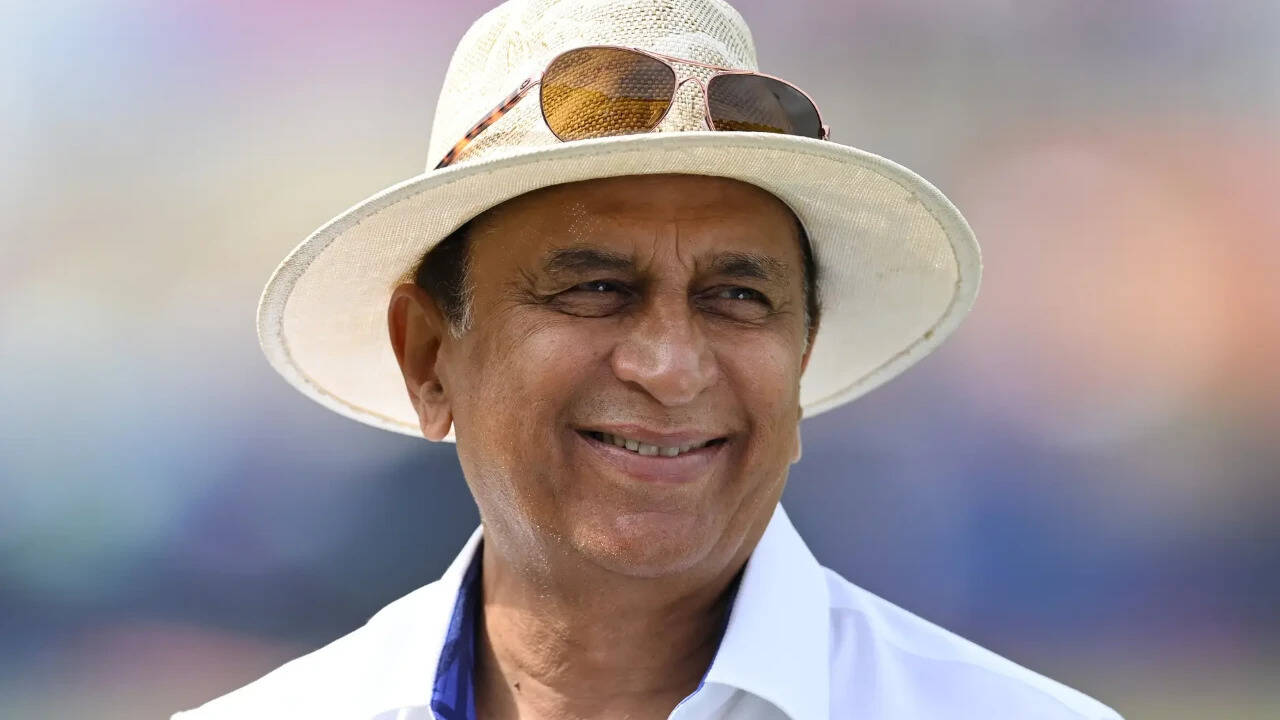
Sunil Gavaskar, a renowned cricket expert, has expressed his strong opposition to the introduction of free hits for no-balls in Test cricket. He believes that this practice would give batters an unfair advantage, allowing them to score runs without facing any real challenge.
Gavaskar's opposition to free hits stems from his desire to maintain the traditional integrity of the game. He argues that introducing free hits would alter the fundamental nature of Test cricket, making it more favorable to batters. Instead, he proposes implementing financial penalties for bowlers who commit repeated no-balls.
According to Gavaskar, these financial penalties could be imposed not only on the bowler but also on their coach. This would encourage bowlers to be more disciplined and accurate in their deliveries, as they would not want to incur financial losses. Additionally, Gavaskar suggests that teams should have the authority to vote on additional penalties for on-field errors, promoting a culture of accountability among players.
The idea of free hits in Test cricket has been debated among cricket experts and fans, with some arguing that it would make the game more exciting and others claiming that it would disrupt the balance between batsmen and bowlers. Gavaskar's proposal offers an alternative solution, focusing on discipline and accountability rather than introducing new rules that could potentially alter the game's dynamics.
Gavaskar's comments come at a time when the International Cricket Council (ICC) is reviewing various aspects of the game, including the rules and regulations of Test cricket. While the ICC has not officially announced any plans to introduce free hits in Test cricket, Gavaskar's opposition to the idea highlights the ongoing debate about the future of the game.
In recent years, cricket has undergone significant changes, with the introduction of new formats such as T20 and the implementation of various rule changes. However, Test cricket remains the most traditional and revered format of the game, and any changes to its rules and regulations are carefully considered and debated.
Gavaskar's proposal for financial penalties and team-voted penalties reflects his commitment to preserving the integrity and tradition of Test cricket. By encouraging discipline and accountability among players, he hopes to maintain the game's balance and ensure that it remains a challenging and exciting contest between batsmen and bowlers.
In conclusion, Gavaskar's rejection of the free-hit idea in Test cricket highlights the ongoing debate about the future of the game. His proposal for financial penalties and team-voted penalties offers an alternative solution, focusing on discipline and accountability rather than introducing new rules that could potentially alter the game's dynamics. As the ICC continues to review and refine the rules of Test cricket, Gavaskar's comments serve as a reminder of the importance of preserving the game's tradition and integrity.
The significance of Gavaskar's comments extends beyond the cricketing world, as they reflect the broader debate about the role of tradition and innovation in sports. As cricket continues to evolve and adapt to changing times, it is essential to strike a balance between preserving the game's heritage and introducing new ideas that can enhance its appeal and competitiveness.
Ultimately, the decision to introduce free hits or implement alternative penalties in Test cricket will depend on the ICC's review and consultation with cricket experts, players, and fans. However, Gavaskar's opposition to the free-hit idea and his proposal for financial penalties and team-voted penalties have contributed to the ongoing debate, highlighting the importance of careful consideration and consultation in shaping the future of the game.
Frequently asked questions
What is Gavaskar's stance on free hits in Test cricket?
Gavaskar opposes the introduction of free hits for no-balls in Test cricket, arguing that it would give batters an unfair advantage.
What alternative penalties does Gavaskar propose?
Gavaskar suggests implementing financial penalties for bowlers who commit repeated no-balls, which could also involve their coaches, and team-voted penalties for on-field errors.