E20 Fuel Damages E10 Car Rubber Parts
E20 fuel may harm E10 vehicles, says report. Rubber parts affected, emissions within limits.

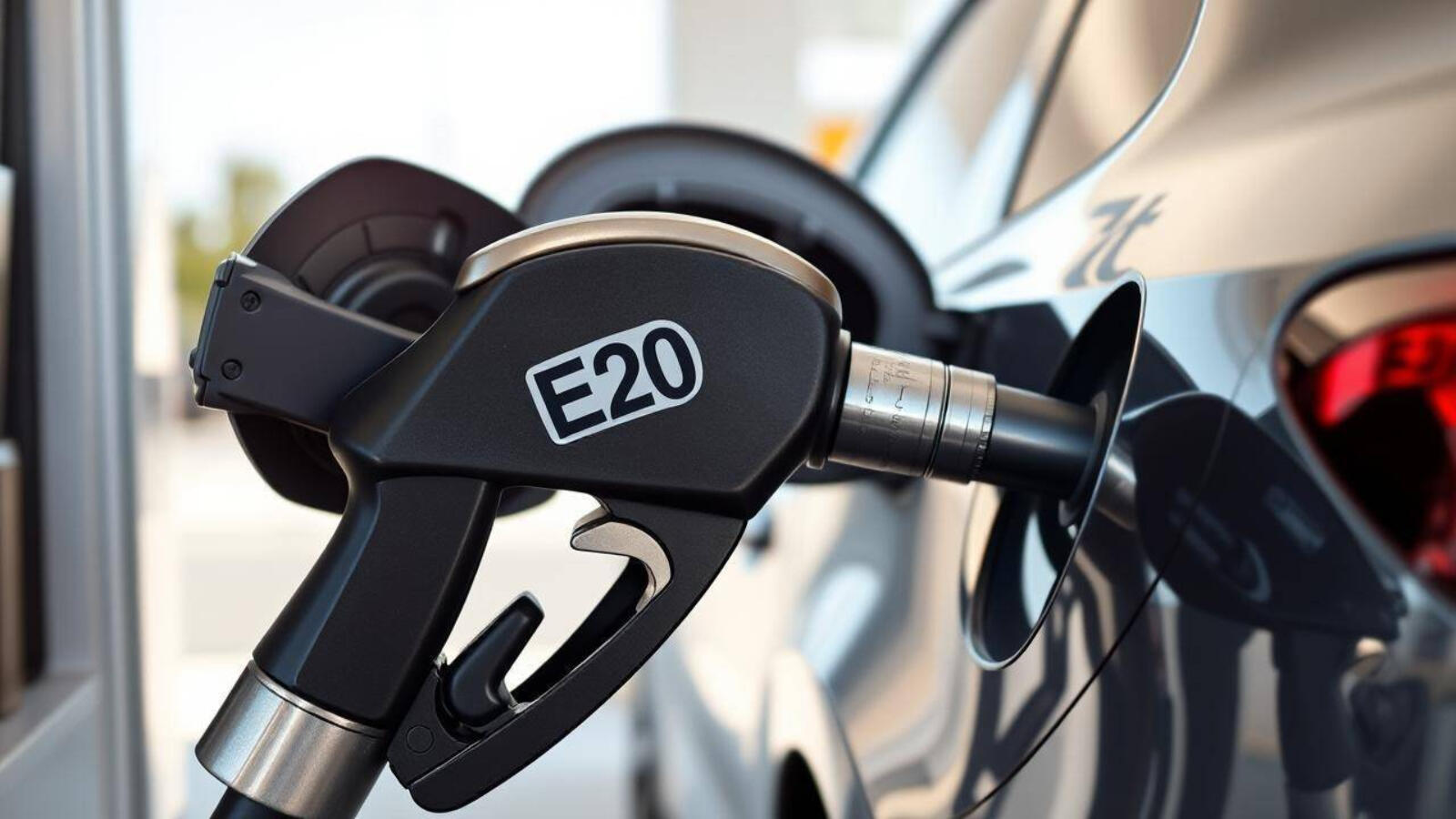
A recent report by the Automotive Research Association of India (ARAI) has revealed that using E20 fuel in E10 vehicles can cause deterioration of rubber parts. The report, which has not been made public, found that the metallic components of the vehicles were not affected by the use of E20 fuel. Additionally, the emissions from the vehicles remained within the legislative limits.
The ARAI report was based on tests conducted on various vehicles, including two-wheelers and four-wheelers. The tests showed that while the metallic components were not affected, the rubber parts in E10 vehicles were damaged when E20 fuel was used. One BS-VI turbocharged engine experienced issues after durability testing, but a BS-IV engine did not show any problems.
The report also found that two-wheeler engine durability tests showed acceptable performance with E20 fuel. However, the fuel consumption increased by two to six percent for vehicles using E20 fuel. This increase in fuel consumption could have implications for vehicle owners, as it could lead to higher fuel costs.
The findings of the report have significant implications for the automotive industry, as the government has been promoting the use of E20 fuel as a way to reduce emissions and improve air quality. The report suggests that vehicle manufacturers may need to modify their vehicles to make them compatible with E20 fuel, which could involve replacing rubber parts with more durable materials.
The use of E20 fuel is expected to become more widespread in the coming years, as the government aims to increase the use of biofuels in the transportation sector. The report's findings highlight the need for further research and testing to ensure that vehicles are compatible with E20 fuel and that the use of this fuel does not have any adverse effects on vehicle performance or safety.
In the meantime, vehicle owners who are using E10 vehicles should be aware of the potential risks of using E20 fuel and take necessary precautions to avoid any damage to their vehicles. The report's findings are likely to be closely watched by the automotive industry, as they could have significant implications for the development of vehicles that are compatible with E20 fuel.
The government has been promoting the use of biofuels as a way to reduce the country's dependence on fossil fuels and improve air quality. The use of E20 fuel is seen as a key part of this strategy, and the report's findings will likely be taken into account as the government moves forward with its plans to increase the use of biofuels in the transportation sector.
Overall, the report's findings highlight the need for further research and testing to ensure that vehicles are compatible with E20 fuel and that the use of this fuel does not have any adverse effects on vehicle performance or safety. As the government continues to promote the use of biofuels, it will be important to monitor the impact of E20 fuel on vehicles and take necessary steps to mitigate any negative effects.