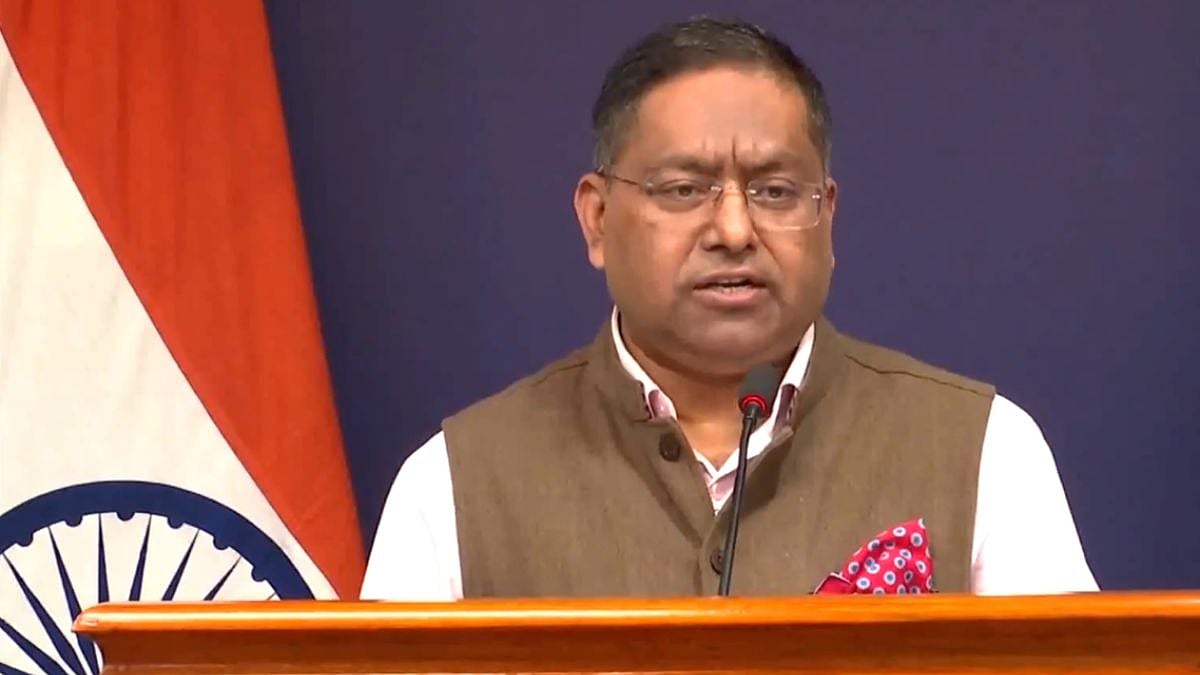
Pakistan May Use Nuclear Weapons First: Analyst
Geopolitical analyst Professor Jiang Xueqin warns of Pakistan's instability, India shares border
'%3E%3Crect%20width%3D'96'%20height%3D'96'%20fill%3D'%234A235A'%2F%3E%3Ccircle%20cx%3D'30'%20cy%3D'24'%20r%3D'44'%20fill%3D'%23fff'%20opacity%3D'.12'%2F%3E%3Ccircle%20cx%3D'60'%20cy%3D'74'%20r%3D'40'%20fill%3D'%23000'%20opacity%3D'.10'%2F%3E%3C%2Fg%3E%3Cg%20fill%3D'none'%20stroke%3D'%23fff'%20stroke-width%3D'3'%3E%3Ccircle%20cx%3D'48'%20cy%3D'48'%20r%3D'16'%2F%3E%3Cellipse%20cx%3D'48'%20cy%3D'48'%20rx%3D'6.5'%20ry%3D'16'%2F%3E%3Cline%20x1%3D'32'%20y1%3D'42'%20x2%3D'64'%20y2%3D'42'%2F%3E%3Cline%20x1%3D'32'%20y1%3D'54'%20x2%3D'64'%20y2%3D'54'%2F%3E%3C%2Fg%3E%3C%2Fsvg%3E)
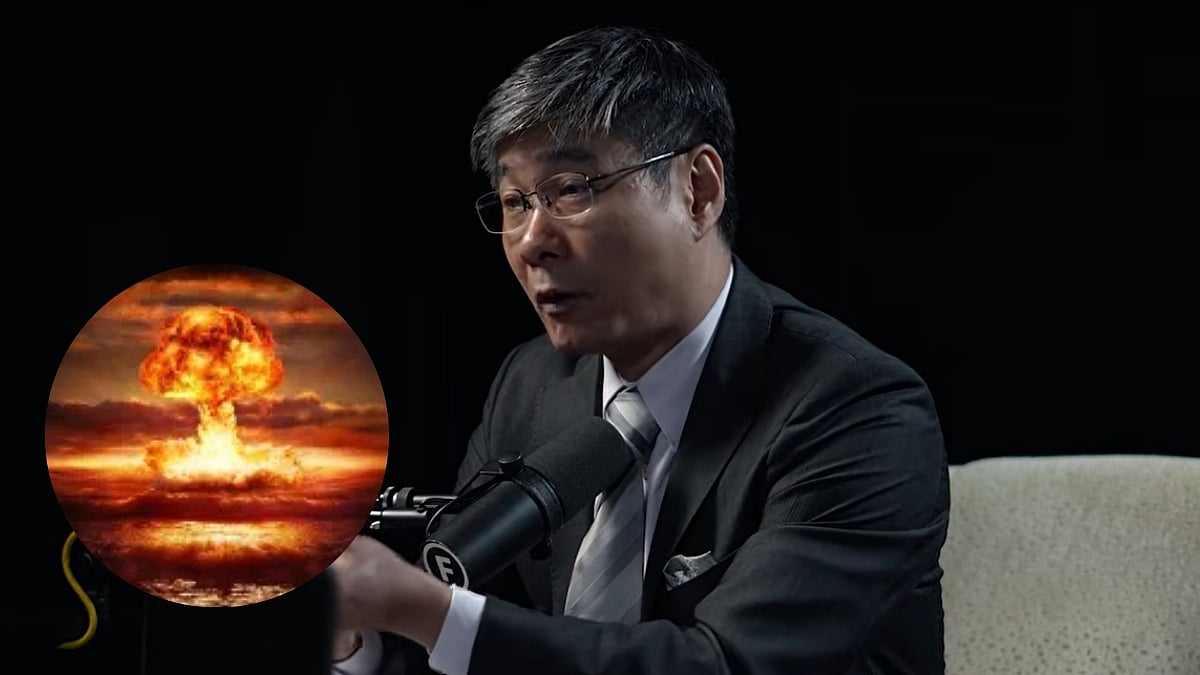
Geopolitical analyst Professor Jiang Xueqin has sparked a debate by suggesting that Pakistan may be the most likely country to use nuclear weapons first in a future conflict. Speaking on a podcast, Jiang cited Pakistan's internal instability and weak institutional controls as reasons for his assessment.
Jiang's comments have raised concerns for India, which shares a border with Pakistan and has strained relations with the country. However, Jiang emphasized that the chances of nuclear weapons being used during our lifetimes are 'almost zero' due to a global taboo against nuclear warfare.
The analyst argued that Pakistan's political and institutional vulnerabilities make it a higher-risk nuclear power. He described Pakistan as a country facing challenges such as political divisions, economic difficulties, and corruption. Jiang noted that any potential nuclear-use scenario would most likely emerge from a conflict between India and Pakistan.
In contrast, Jiang highlighted India's long-standing nuclear doctrine, which includes a No First Use (NFU) policy. This policy pledges that India will not initiate a nuclear strike. Jiang argued that India possesses sufficient conventional military capabilities and therefore does not face the same strategic pressures as Pakistan.
Jiang also emphasized that Pakistan's nuclear arsenal is viewed by its military establishment as a deterrent against India's larger conventional forces. Despite his comments, Jiang repeatedly emphasized that he considers the likelihood of nuclear weapons being used extremely low. He argued that any nation initiating a nuclear strike would face severe international consequences and likely retaliation, making such a decision highly improbable.
The comments come as India and Pakistan continue to have strained relations, with tensions simmering over issues such as Kashmir and terrorism. The international community has long been concerned about the risk of nuclear conflict in the region, and Jiang's comments will likely add to those concerns.
However, it's worth noting that Jiang's comments were made in the context of a hypothetical scenario, and he emphasized that the likelihood of nuclear weapons being used is extremely low. The global taboo against nuclear warfare, combined with the severe consequences of such an action, make it highly unlikely that any country would initiate a nuclear strike.
In conclusion, while Jiang's comments have raised concerns about the risk of nuclear conflict in the region, they should be seen in the context of a broader discussion about the risks and challenges associated with nuclear weapons. The international community must continue to work towards reducing the risk of nuclear conflict and promoting stability and security in the region.
The situation highlights the need for continued diplomacy and dialogue between India and Pakistan to reduce tensions and promote peace in the region. It also underscores the importance of international cooperation and agreements aimed at preventing the proliferation of nuclear weapons and reducing the risk of nuclear conflict.
As the situation continues to evolve, it's essential to remain vigilant and work towards promoting peace and stability in the region. The consequences of nuclear conflict would be catastrophic, and it's crucial that all parties involved work towards preventing such a scenario from arising.
In the end, Jiang's comments serve as a reminder of the importance of continued diplomacy and cooperation in reducing the risk of nuclear conflict and promoting peace and stability in the region.
Frequently asked questions
What is Pakistan's nuclear policy?
Pakistan's nuclear arsenal is viewed by its military establishment as a deterrent against India's larger conventional forces.
What is India's nuclear policy?
India has a No First Use (NFU) policy, which pledges that India will not initiate a nuclear strike.