Mumbai Auto Drivers Strike Over Marathi Language Rule
Auto drivers protest language requirement, face fines. Strike blocks Kandivli road.
'%3E%3Crect%20width%3D'96'%20height%3D'96'%20fill%3D'%23B3261E'%2F%3E%3Ccircle%20cx%3D'30'%20cy%3D'24'%20r%3D'44'%20fill%3D'%23fff'%20opacity%3D'.12'%2F%3E%3Ccircle%20cx%3D'60'%20cy%3D'74'%20r%3D'40'%20fill%3D'%23000'%20opacity%3D'.10'%2F%3E%3C%2Fg%3E%3Cg%20fill%3D'%23fff'%3E%3Crect%20x%3D'29'%20y%3D'49'%20width%3D'8'%20height%3D'19'%20rx%3D'1'%2F%3E%3Crect%20x%3D'39'%20y%3D'40'%20width%3D'9'%20height%3D'28'%20rx%3D'1'%2F%3E%3Crect%20x%3D'50'%20y%3D'45'%20width%3D'8'%20height%3D'23'%20rx%3D'1'%2F%3E%3Crect%20x%3D'60'%20y%3D'53'%20width%3D'7'%20height%3D'15'%20rx%3D'1'%2F%3E%3Crect%20x%3D'41'%20y%3D'34'%20width%3D'5'%20height%3D'6'%2F%3E%3C%2Fg%3E%3C%2Fsvg%3E)
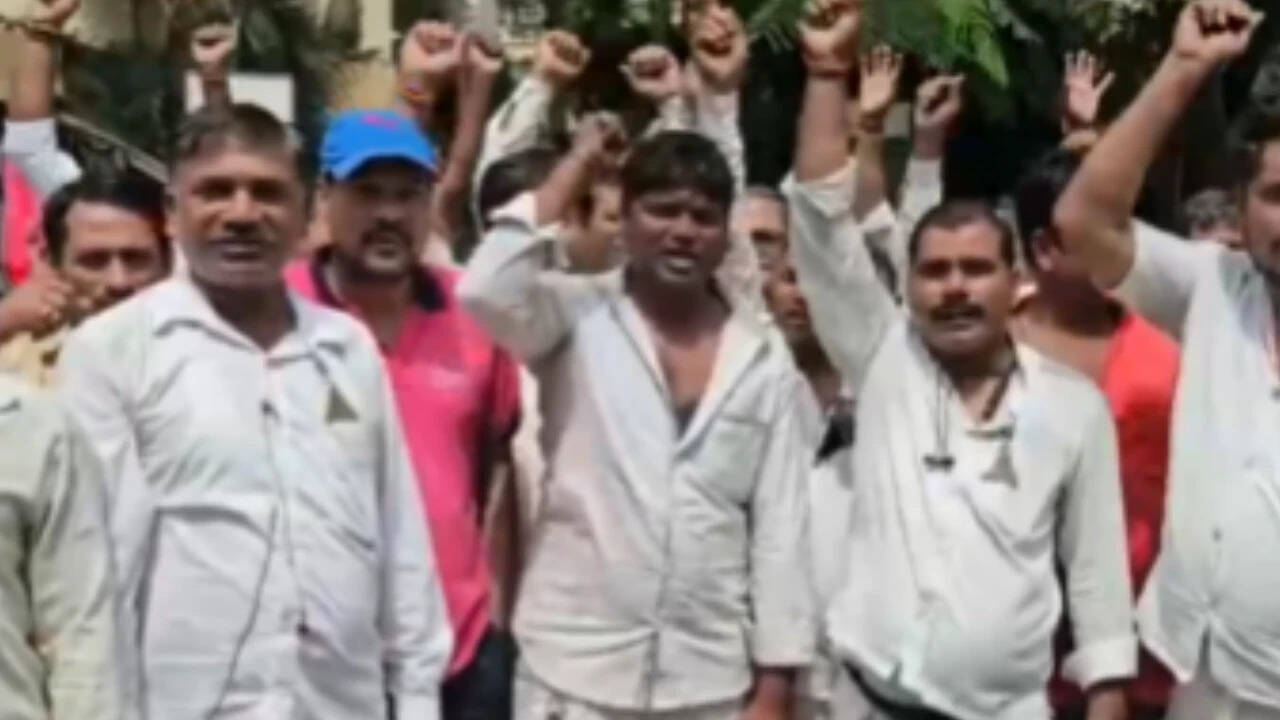
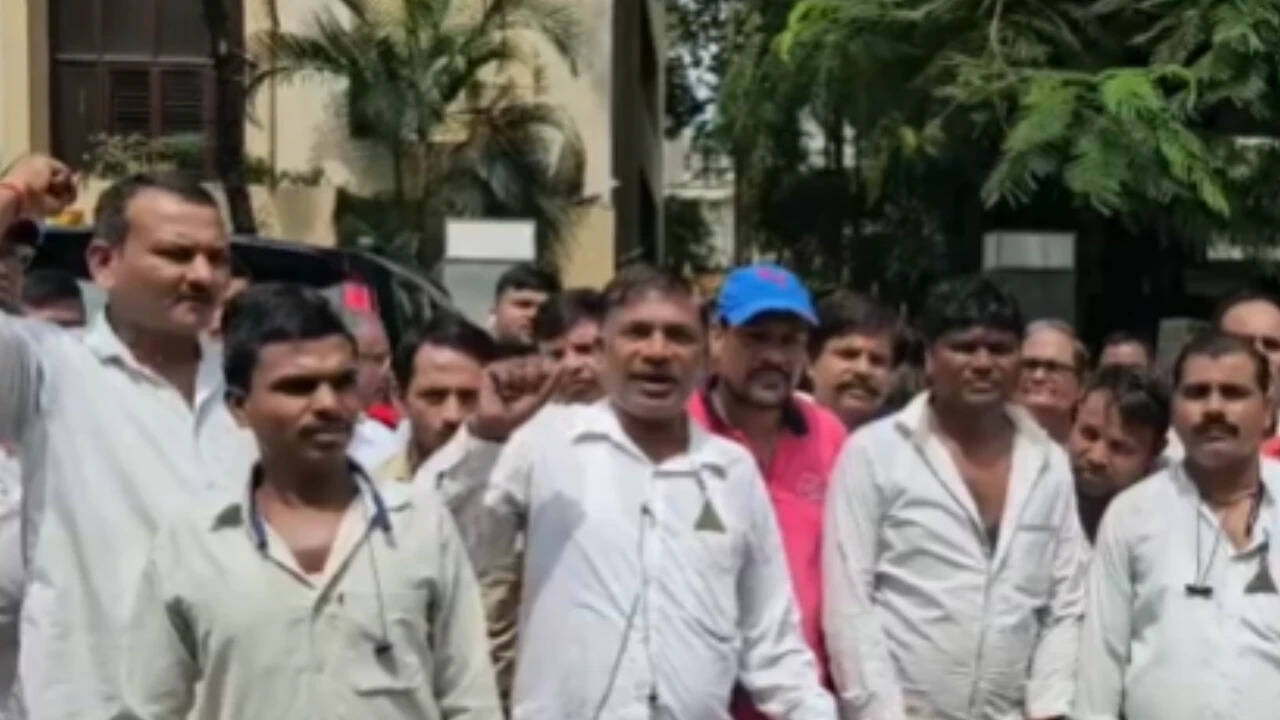
Mumbai's autorickshaw drivers launched a three-day strike on Monday, blocking a major road in Kandivli to protest the new Marathi language requirement for their licenses. The rule, which aims to promote the local language, has sparked outrage among many older drivers who lack formal education and struggle to meet the new standard.
The protesting drivers are demanding that the authorities reconsider the directive, citing the significant fines they face for non-compliance. They argue that they need more time to learn the language and comply with the mandate. The strike has caused inconvenience to commuters in the area, with many being forced to seek alternative modes of transport.
The Marathi language requirement was introduced as part of a broader effort to promote the use of the local language in official contexts. However, the move has been met with resistance from many autorickshaw drivers who feel that it is unfair to expect them to learn a new language, especially given their age and limited educational background.
The strike is a significant development in the ongoing debate over the use of Marathi in official contexts. While some argue that it is essential to promote the local language, others feel that it is impractical and unfair to expect everyone to meet the same standard. The authorities have yet to respond to the demands of the protesting drivers, but it is likely that the issue will continue to be a major point of contention in the coming days.
The Kandivli road, which was blocked by the protesting drivers, is a major thoroughfare in the area, and the strike has caused significant disruption to traffic. Commuters are being advised to seek alternative routes and to expect delays in the area.
The autorickshaw drivers' union has expressed support for the strike, citing the need for the authorities to reconsider the language requirement. The union argues that the rule is unfair and that it will have a disproportionate impact on older drivers who lack formal education.
As the strike enters its second day, it remains to be seen how the authorities will respond to the demands of the protesting drivers. While the promotion of Marathi is an important goal, it is also essential to ensure that the rules are fair and reasonable, and that they do not unfairly penalize certain groups.
In the context of Mumbai's diverse linguistic landscape, the debate over the use of Marathi in official contexts is complex and multifaceted. While some argue that it is essential to promote the local language, others feel that it is impractical and unfair to expect everyone to meet the same standard. The outcome of the strike will be closely watched, as it has significant implications for the city's autorickshaw drivers and the broader linguistic landscape.
The strike is a reminder that language policies can have a significant impact on people's lives, and that they must be implemented in a fair and reasonable manner. As the authorities consider their response to the demands of the protesting drivers, they must balance the need to promote Marathi with the need to ensure that the rules are fair and reasonable for all.
In conclusion, the autorickshaw drivers' strike in Mumbai is a significant development in the ongoing debate over the use of Marathi in official contexts. The strike has highlighted the need for fair and reasonable language policies, and it remains to be seen how the authorities will respond to the demands of the protesting drivers.
Frequently asked questions
Why are Mumbai auto drivers on strike?
Mumbai auto drivers are on strike to protest the new Marathi language requirement for their licenses.
How long will the auto drivers' strike last?
The strike is scheduled to last for three days.