Invasive Mussels Disrupt Great Lakes Ecosystem
Invasive mussels clean water, harm whitefish. Species may vanish in 5 years.
'%3E%3Crect%20width%3D'96'%20height%3D'96'%20fill%3D'%23B3261E'%2F%3E%3Ccircle%20cx%3D'30'%20cy%3D'24'%20r%3D'44'%20fill%3D'%23fff'%20opacity%3D'.12'%2F%3E%3Ccircle%20cx%3D'60'%20cy%3D'74'%20r%3D'40'%20fill%3D'%23000'%20opacity%3D'.10'%2F%3E%3C%2Fg%3E%3Cg%20fill%3D'%23fff'%3E%3Crect%20x%3D'29'%20y%3D'49'%20width%3D'8'%20height%3D'19'%20rx%3D'1'%2F%3E%3Crect%20x%3D'39'%20y%3D'40'%20width%3D'9'%20height%3D'28'%20rx%3D'1'%2F%3E%3Crect%20x%3D'50'%20y%3D'45'%20width%3D'8'%20height%3D'23'%20rx%3D'1'%2F%3E%3Crect%20x%3D'60'%20y%3D'53'%20width%3D'7'%20height%3D'15'%20rx%3D'1'%2F%3E%3Crect%20x%3D'41'%20y%3D'34'%20width%3D'5'%20height%3D'6'%2F%3E%3C%2Fg%3E%3C%2Fsvg%3E)
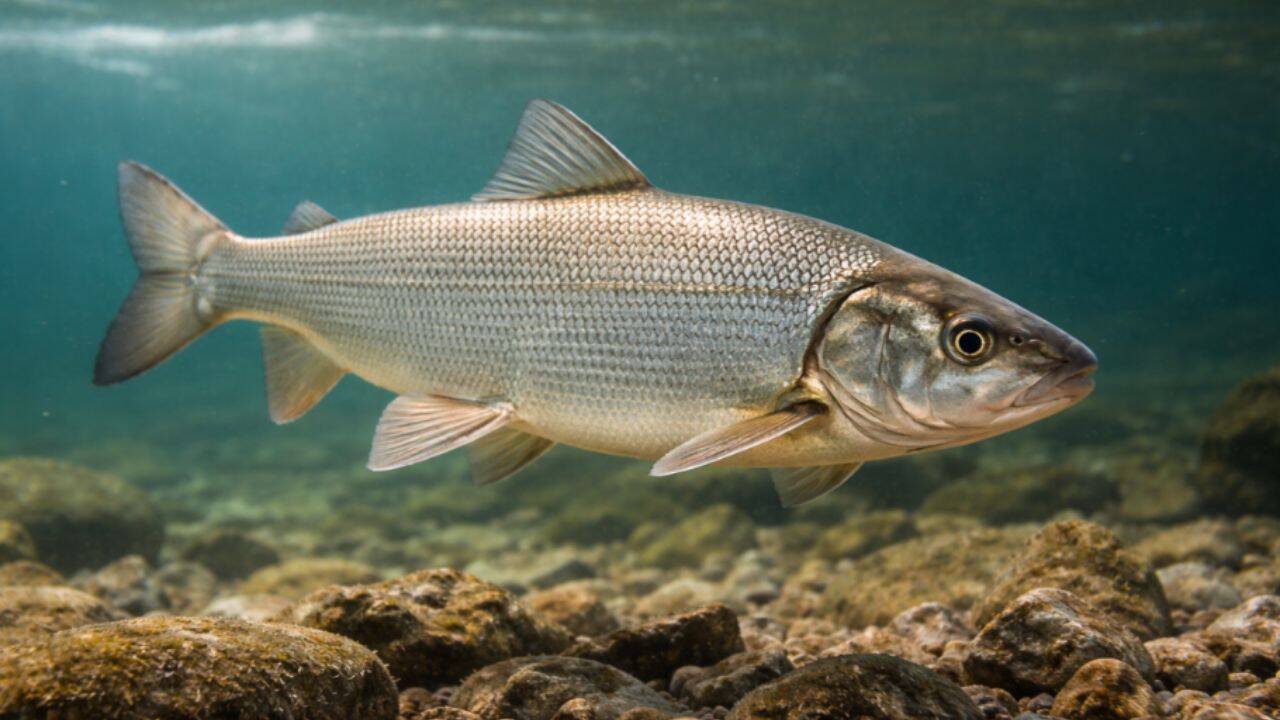
Invasive zebra and quagga mussels have significantly altered the Great Lakes ecosystem. By consuming large quantities of phytoplankton and zooplankton, these mussels have reduced the availability of food for young lake whitefish.
As a result, the water in the Great Lakes has become cleaner, with increased clarity and reduced nutrient levels. However, this change has had a devastating impact on the lake whitefish population, which relies heavily on these tiny organisms for survival.
The decline in whitefish numbers has been sharp, with scientists warning that the species could disappear from some areas of the Great Lakes within the next five years. This prediction is based on current trends and the ongoing disruption of the food chain caused by the invasive mussels.
The introduction of zebra and quagga mussels to the Great Lakes is believed to have occurred through human activity, such as the release of contaminated ballast water from ships. Since their introduction, the mussels have spread rapidly, colonizing large areas of the lakes and altering the ecosystem.
The impact of invasive species on native ecosystems is a growing concern, with many examples of introduced species causing significant harm to local wildlife. In the case of the Great Lakes, the invasive mussels have highlighted the need for careful management and regulation of human activities that can introduce non-native species to sensitive ecosystems.
The potential loss of the lake whitefish from the Great Lakes would have significant ecological and economic implications. The species is an important part of the lake's food chain, and its disappearance could have cascading effects on other species that rely on it for food.
Efforts are being made to control the spread of invasive mussels and mitigate their impact on the Great Lakes ecosystem. However, more needs to be done to address this issue and protect the native species that call the lakes home.
In conclusion, the invasive zebra and quagga mussels have had a profound impact on the Great Lakes ecosystem, causing a decline in whitefish numbers and potentially leading to the species' disappearance from some areas within five years. It is essential that we take action to prevent further harm and work towards preserving the delicate balance of the Great Lakes ecosystem.
The situation serves as a reminder of the importance of protecting our natural resources and the need for careful management of human activities that can impact the environment. By taking a proactive approach to addressing the issue of invasive species, we can help to preserve the health and biodiversity of ecosystems like the Great Lakes.
The decline of the lake whitefish population is a significant concern, and it is crucial that we take immediate action to address this issue. The potential consequences of inaction could be severe, with long-lasting impacts on the Great Lakes ecosystem and the species that depend on it.
Ultimately, the fate of the lake whitefish and the Great Lakes ecosystem as a whole depends on our ability to effectively manage the impact of invasive species and protect the native wildlife that calls the lakes home.
Frequently asked questions
What is causing the decline of the lake whitefish population?
The decline of the lake whitefish population is caused by the invasive zebra and quagga mussels, which are reducing the availability of food for young whitefish.
How long until the lake whitefish species may disappear from some areas?
Scientists warn that the lake whitefish species could disappear from some areas of the Great Lakes within the next five years.