NGT Orders Bhopal Lake Sewage Mapping, Zero Discharge Plan
NGT directs mapping of sewage outfalls, zero untreated discharge plan. Bhopal lakes to get cleaned up.
'%3E%3Crect%20width%3D'96'%20height%3D'96'%20fill%3D'%23B3261E'%2F%3E%3Ccircle%20cx%3D'30'%20cy%3D'24'%20r%3D'44'%20fill%3D'%23fff'%20opacity%3D'.12'%2F%3E%3Ccircle%20cx%3D'60'%20cy%3D'74'%20r%3D'40'%20fill%3D'%23000'%20opacity%3D'.10'%2F%3E%3C%2Fg%3E%3Cg%20fill%3D'%23fff'%3E%3Crect%20x%3D'29'%20y%3D'49'%20width%3D'8'%20height%3D'19'%20rx%3D'1'%2F%3E%3Crect%20x%3D'39'%20y%3D'40'%20width%3D'9'%20height%3D'28'%20rx%3D'1'%2F%3E%3Crect%20x%3D'50'%20y%3D'45'%20width%3D'8'%20height%3D'23'%20rx%3D'1'%2F%3E%3Crect%20x%3D'60'%20y%3D'53'%20width%3D'7'%20height%3D'15'%20rx%3D'1'%2F%3E%3Crect%20x%3D'41'%20y%3D'34'%20width%3D'5'%20height%3D'6'%2F%3E%3C%2Fg%3E%3C%2Fsvg%3E)
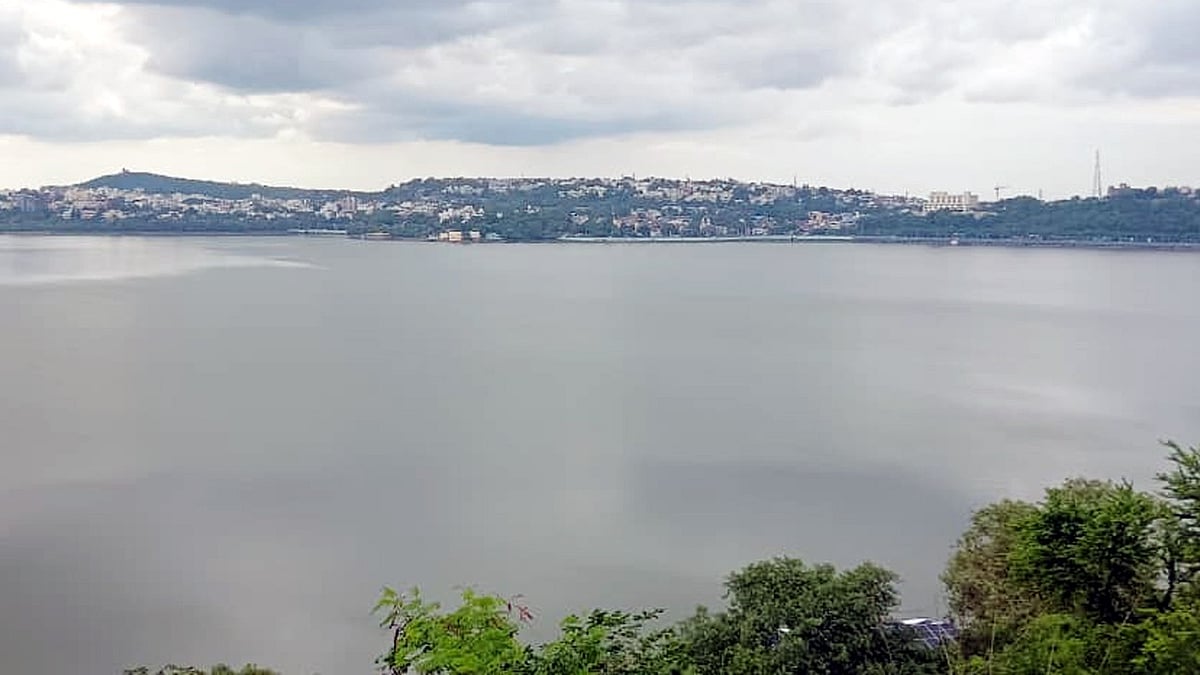
The National Green Tribunal (NGT) has ordered the authorities to identify and map all sewage outfalls discharging wastewater into Bhopal's Upper Lake, Lower Lake, and other major lakes. This move aims to prevent untreated sewage discharge into these water bodies.
The order was issued in response to a petition filed by RTI activist Nitin Saxena. The NGT has directed the authorities to take immediate steps to intercept and divert wastewater to functional sewage treatment plants.
To ensure compliance, the NGT has suggested the installation of suitable cameras and digital flow meters at pumping houses and stations around the Upper Lake. These will help verify the operation and discharge records of these facilities.
The State Pollution Control Board (PCB) has been directed to prepare a comprehensive report identifying all sewage outfalls, the quantity of sewage generated and intercepted, and the installed and operational capacity of sewage treatment plants (STPs), pumping stations, and the sewerage network. The report must also include a time-bound action plan for achieving zero discharge of untreated sewage into the lakes.
This exercise must be completed in collaboration with the Wetland Authority of Madhya Pradesh, the District Wetland Conservation Committee, and the State PCB. The report must be submitted within three weeks.
Additionally, the NGT has restricted construction within 50 meters of the high flood level (FTL) of the Bhoj Wetland. Any existing illegal constructions within the wetland area must be removed within three months.
The Bhoj Wetland has undergone six surveys, but its final boundary is yet to be demarcated. The NGT's order is a significant step towards conserving Bhopal's lakes and wetlands.
The NGT's directive is expected to have a positive impact on the environment and public health in Bhopal. The city's lakes and wetlands are crucial ecosystems that support a wide range of flora and fauna.
The order also highlights the need for effective sewage management and treatment in urban areas. The NGT's emphasis on achieving zero discharge of untreated sewage into water bodies is a crucial step towards protecting these ecosystems.
In conclusion, the NGT's order is a significant move towards conserving Bhopal's lakes and wetlands. The implementation of this order will require the cooperation of various authorities and stakeholders.
The success of this initiative will depend on the effective implementation of the NGT's directives and the commitment of the authorities to protect these vital ecosystems.
The people of Bhopal and the environment will benefit greatly from this initiative. The NGT's order is a positive step towards creating a cleaner and healthier environment in the city.
The order also serves as a reminder of the importance of protecting our natural resources and the need for sustainable development. The conservation of Bhopal's lakes and wetlands is crucial for the well-being of the city and its inhabitants.
The NGT's directive is a significant step towards achieving this goal. The authorities must work together to ensure the effective implementation of this order and protect these vital ecosystems.
Frequently asked questions
What is the NGT's order regarding Bhopal lakes?
The NGT has ordered the mapping of sewage outfalls and implementation of a zero discharge plan to prevent untreated sewage discharge into Bhopal's lakes.
What is the deadline for submitting the report on sewage outfalls?
The report must be submitted within three weeks.