Sensex Opens Flat At 77,218 Amid Rising Crude Oil Prices
Sensex and Nifty open flat, IT stocks lead gains, crude oil prices surge to $92
'%3E%3Crect%20width%3D'96'%20height%3D'96'%20fill%3D'%230B6E4F'%2F%3E%3Ccircle%20cx%3D'30'%20cy%3D'24'%20r%3D'44'%20fill%3D'%23fff'%20opacity%3D'.12'%2F%3E%3Ccircle%20cx%3D'60'%20cy%3D'74'%20r%3D'40'%20fill%3D'%23000'%20opacity%3D'.10'%2F%3E%3C%2Fg%3E%3Cg%20fill%3D'none'%20stroke%3D'%23fff'%20stroke-width%3D'3.2'%20stroke-linecap%3D'round'%20stroke-linejoin%3D'round'%3E%3Cpolyline%20points%3D'31%2C59%2041%2C49%2049%2C54%2063%2C37'%2F%3E%3Cpolyline%20points%3D'55%2C37%2063%2C37%2063%2C45'%2F%3E%3C%2Fg%3E%3C%2Fsvg%3E)
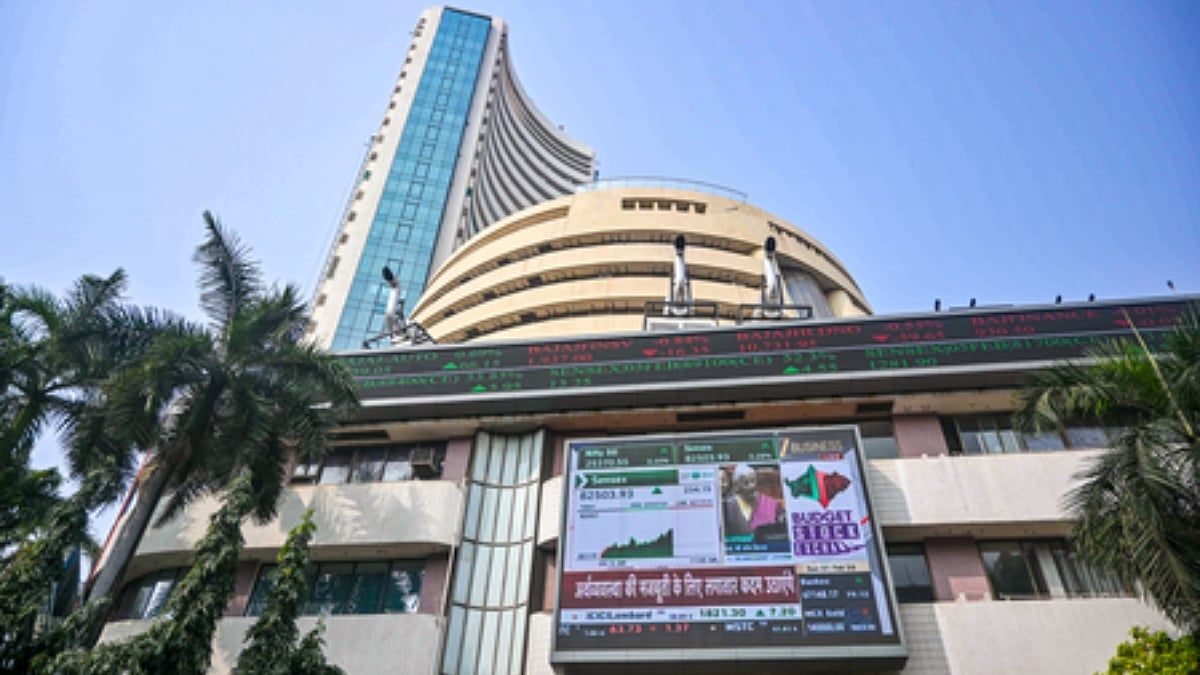
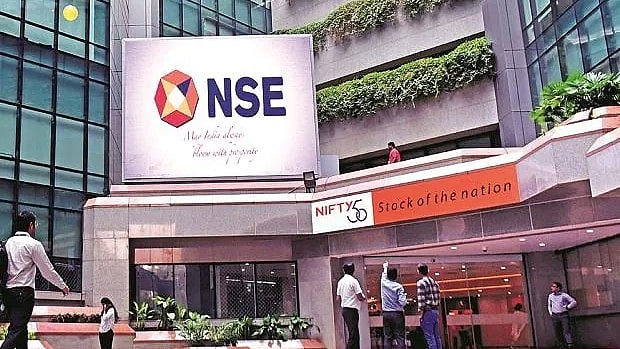
The domestic equity market benchmarks opened on a flat note on Wednesday, with the Sensex starting at 77,218.05, down 17.41 points or 0.02 per cent, and the Nifty at 24,152.05, declining 2.85 points or 0.01 per cent.
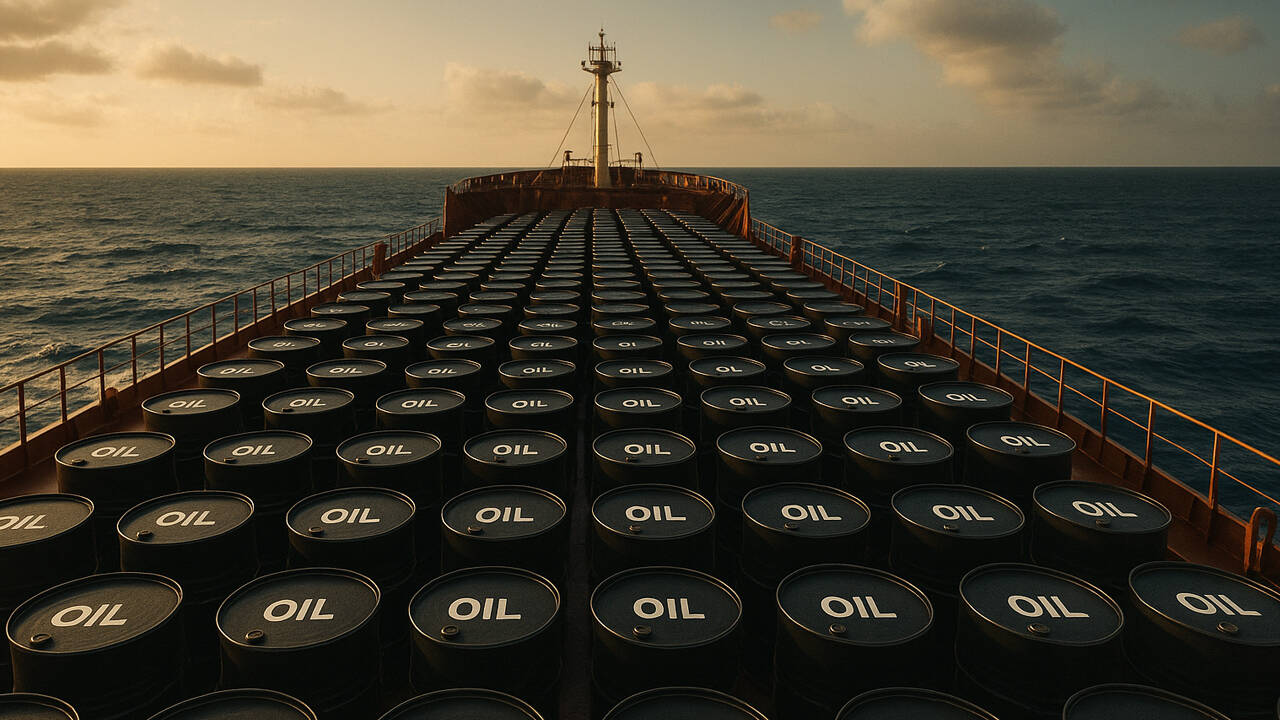
This comes as crude oil prices surged to almost $92, with international benchmark Brent crude trading around $92 per barrel. The rise in crude oil prices has been driven by uncertainty over the Middle East conflict, which has raised concerns over inflation and put upward pressure on bond yields.
Sectorally, IT stocks led gains among sectoral indices in early trade, with Nifty IT rising 0.82 per cent. Nifty MidSmall IT & Telecom also gained 0.59 per cent, followed by Nifty Realty and Nifty REITS & Realty, which rose up to 0.2 per cent each.
On the other hand, Nifty Metal fell 0.35 per cent, followed by Nifty Auto, which declined 0.14 per cent. Nifty MidSmall Healthcare dropped 0.10 per cent, while Nifty Pharma, Nifty Chemicals, and Nifty500 Healthcare declined 0.09 per cent each.
Analysts attribute the ongoing weakness in the market to rising crude oil prices and higher bond yields globally. The US 30-year yields are at their highest level since 2007, adding to the uncertainty.
However, strong domestic fundamentals, improving GDP, and earnings growth prospects for FY27, along with robust domestic liquidity, are helping the Indian market remain resilient. Market experts suggest that long-term investors could use the current weakness to accumulate quality growth stocks, particularly in the mid- and small-cap segments, where momentum remains stronger.
Asian markets also declined amid continued weakness in semiconductor stocks, while crude oil prices rose to their highest level in more than three weeks. The rise in crude oil prices has been driven by Iran's tougher stance, with the country saying the Strait of Hormuz would remain closed, and the US ruling out extending the ceasefire.
The Indian market is expected to remain cautious amid the ongoing uncertainty, with investors keeping a close eye on the movement of crude oil prices and bond yields.
The current market situation is a reflection of the global economic uncertainty, and investors are advised to remain cautious and focus on long-term growth prospects.
In conclusion, the Sensex and Nifty opening flat on Wednesday is a reflection of the ongoing uncertainty in the market, driven by rising crude oil prices and higher bond yields globally. However, strong domestic fundamentals and improving GDP are expected to help the Indian market remain resilient in the long term.
The market is expected to remain volatile in the short term, with investors advised to keep a close eye on the movement of crude oil prices and bond yields.
The rise in crude oil prices has significant implications for the Indian economy, with higher prices expected to raise concerns over inflation and put upward pressure on bond yields.
However, the Indian market is expected to remain strong in the long term, driven by strong domestic fundamentals and improving GDP.
The current market situation is a reminder of the importance of diversification and long-term investing, with investors advised to focus on quality growth stocks and avoid making impulsive decisions based on short-term market fluctuations.
In the end, the Indian market is expected to emerge stronger from the current uncertainty, driven by its strong domestic fundamentals and improving GDP.
The market is expected to remain cautious in the short term, but long-term investors are expected to benefit from the current weakness, with quality growth stocks expected to perform well in the long term.
Frequently asked questions
What is the current Sensex level?
The Sensex is currently at 77,218.05, down 17.41 points or 0.02 per cent.
Why are crude oil prices rising?
Crude oil prices are rising due to uncertainty over the Middle East conflict, which has raised concerns over inflation and put upward pressure on bond yields.