India-UK FTA Impacts Agriculture, Farmers, MSMEs
India-UK FTA affects agriculture, farmers and MSMEs. Know the details.
'%3E%3Crect%20width%3D'96'%20height%3D'96'%20fill%3D'%234A235A'%2F%3E%3Ccircle%20cx%3D'30'%20cy%3D'24'%20r%3D'44'%20fill%3D'%23fff'%20opacity%3D'.12'%2F%3E%3Ccircle%20cx%3D'60'%20cy%3D'74'%20r%3D'40'%20fill%3D'%23000'%20opacity%3D'.10'%2F%3E%3C%2Fg%3E%3Cg%20fill%3D'none'%20stroke%3D'%23fff'%20stroke-width%3D'3'%3E%3Ccircle%20cx%3D'48'%20cy%3D'48'%20r%3D'16'%2F%3E%3Cellipse%20cx%3D'48'%20cy%3D'48'%20rx%3D'6.5'%20ry%3D'16'%2F%3E%3Cline%20x1%3D'32'%20y1%3D'42'%20x2%3D'64'%20y2%3D'42'%2F%3E%3Cline%20x1%3D'32'%20y1%3D'54'%20x2%3D'64'%20y2%3D'54'%2F%3E%3C%2Fg%3E%3C%2Fsvg%3E)
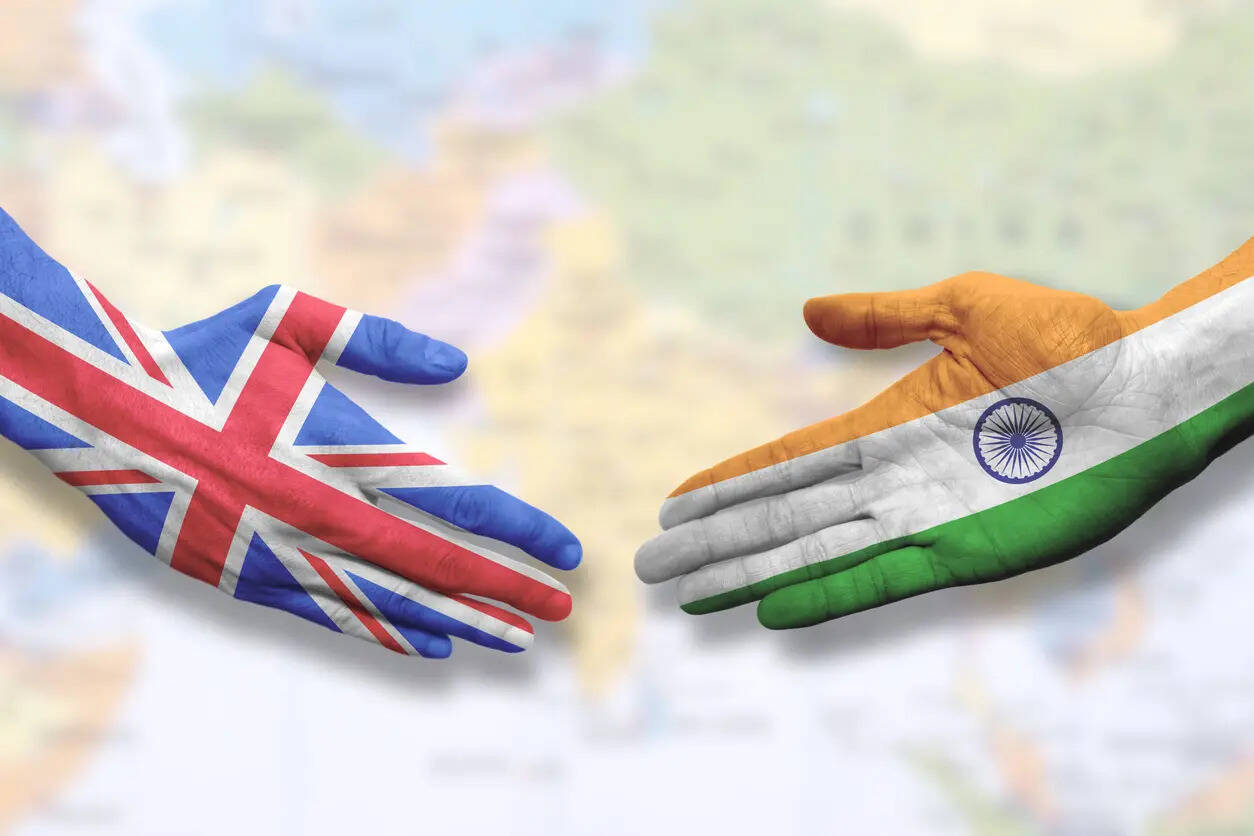
The India-UK Free Trade Agreement (FTA) has significant implications for various sectors, including agriculture, farmers, and Micro, Small, and Medium Enterprises (MSMEs).
The FTA aims to boost trade between the two countries by reducing tariffs and other trade barriers. In the agriculture sector, the agreement is expected to increase exports of Indian agricultural products to the UK.
Indian farmers are likely to benefit from the FTA, as it will provide them with better market access and higher prices for their products. The agreement will also enable Indian farmers to compete with other countries in the UK market.
However, some concerns have been raised about the potential impact of the FTA on Indian farmers and MSMEs. Some experts believe that the agreement could lead to an influx of cheap imports from the UK, which could harm Indian farmers and MSMEs.
The Indian government has taken steps to address these concerns, including providing support to farmers and MSMEs to help them compete in the global market. The government has also implemented measures to protect the interests of Indian farmers and MSMEs.
In terms of specific products, the FTA is expected to benefit Indian exporters of goods such as textiles, pharmaceuticals, and food products. The agreement will also provide opportunities for Indian services providers, including those in the IT and financial services sectors.
The India-UK FTA is part of the Indian government's broader strategy to increase trade and investment with other countries. The government has set a target of increasing India's exports to $2 trillion by 2025.
Overall, the India-UK FTA has the potential to benefit Indian agriculture, farmers, and MSMEs, but it also poses some challenges. The government will need to carefully monitor the implementation of the agreement and take steps to address any negative impacts.
The FTA is expected to come into effect soon, and it will be important to watch how it plays out in the coming months and years. The agreement has the potential to be a significant boost to the Indian economy, but it will require careful management to ensure that all sectors benefit.
In the context of the Indian economy, the FTA is part of a larger trend of increasing globalization and trade liberalization. The Indian government has been actively pursuing FTAs with other countries, including the EU and the US.
The implications of the FTA for Indian agriculture, farmers, and MSMEs will depend on various factors, including the specific terms of the agreement and how it is implemented. However, overall, the agreement has the potential to be a positive development for the Indian economy.
For Mumbai, the FTA could have significant implications, particularly for the city's large MSME sector. Many MSMEs in Mumbai are involved in the export of goods such as textiles and pharmaceuticals, and the FTA could provide them with new opportunities to access the UK market.
In conclusion, the India-UK FTA has significant implications for Indian agriculture, farmers, and MSMEs. While there are potential benefits to the agreement, there are also challenges that will need to be addressed. The government will need to carefully monitor the implementation of the agreement and take steps to ensure that all sectors benefit.
The FTA is a significant development for the Indian economy, and it will be important to watch how it plays out in the coming months and years. With careful management, the agreement has the potential to be a major boost to the Indian economy, particularly for the agriculture, farmers, and MSME sectors.