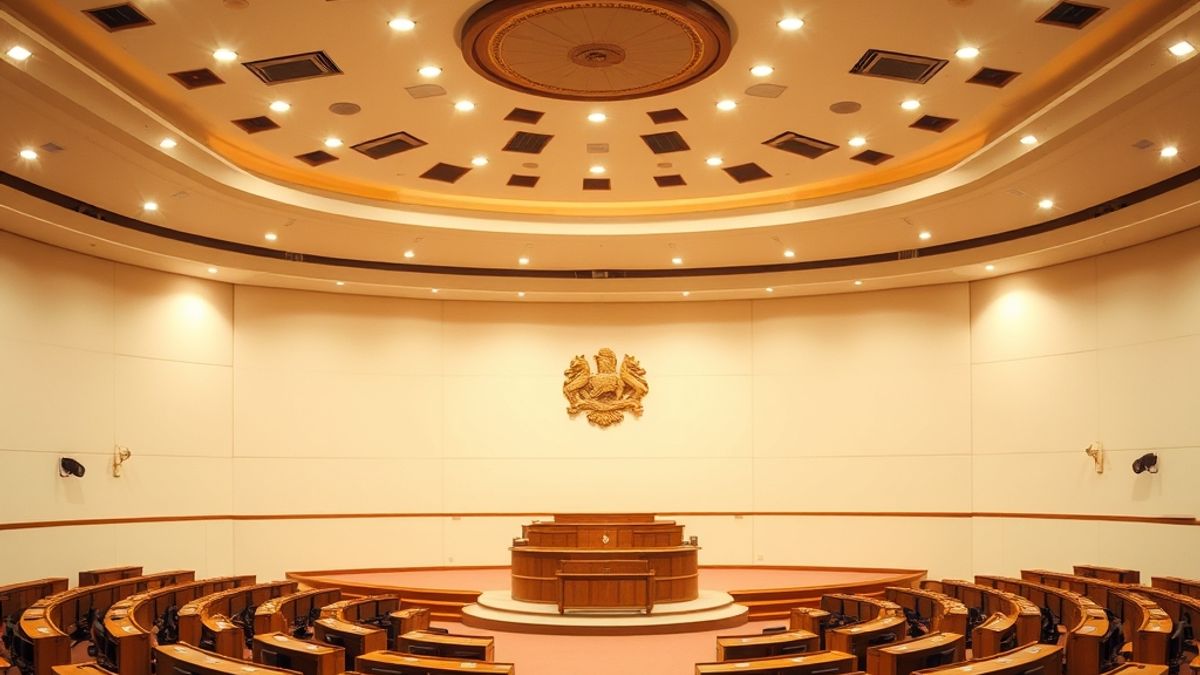
Delhi Minister Satyendar Jain Sent to Custody
Delhi Minister Satyendar Jain and four others have been sent to judicial custody. The decision was made in the Delhi Jal Board case.
'%3E%3Crect%20width%3D'96'%20height%3D'96'%20fill%3D'%231A5276'%2F%3E%3Ccircle%20cx%3D'30'%20cy%3D'24'%20r%3D'44'%20fill%3D'%23fff'%20opacity%3D'.12'%2F%3E%3Ccircle%20cx%3D'60'%20cy%3D'74'%20r%3D'40'%20fill%3D'%23000'%20opacity%3D'.10'%2F%3E%3C%2Fg%3E%3Cg%20fill%3D'%23fff'%3E%3Cpath%20d%3D'M31%2041%20L48%2031%20L65%2041%20Z'%2F%3E%3Crect%20x%3D'33'%20y%3D'43'%20width%3D'4'%20height%3D'17'%2F%3E%3Crect%20x%3D'41'%20y%3D'43'%20width%3D'4'%20height%3D'17'%2F%3E%3Crect%20x%3D'51'%20y%3D'43'%20width%3D'4'%20height%3D'17'%2F%3E%3Crect%20x%3D'59'%20y%3D'43'%20width%3D'4'%20height%3D'17'%2F%3E%3Crect%20x%3D'30'%20y%3D'62'%20width%3D'36'%20height%3D'4'%20rx%3D'1'%2F%3E%3C%2Fg%3E%3C%2Fsvg%3E)
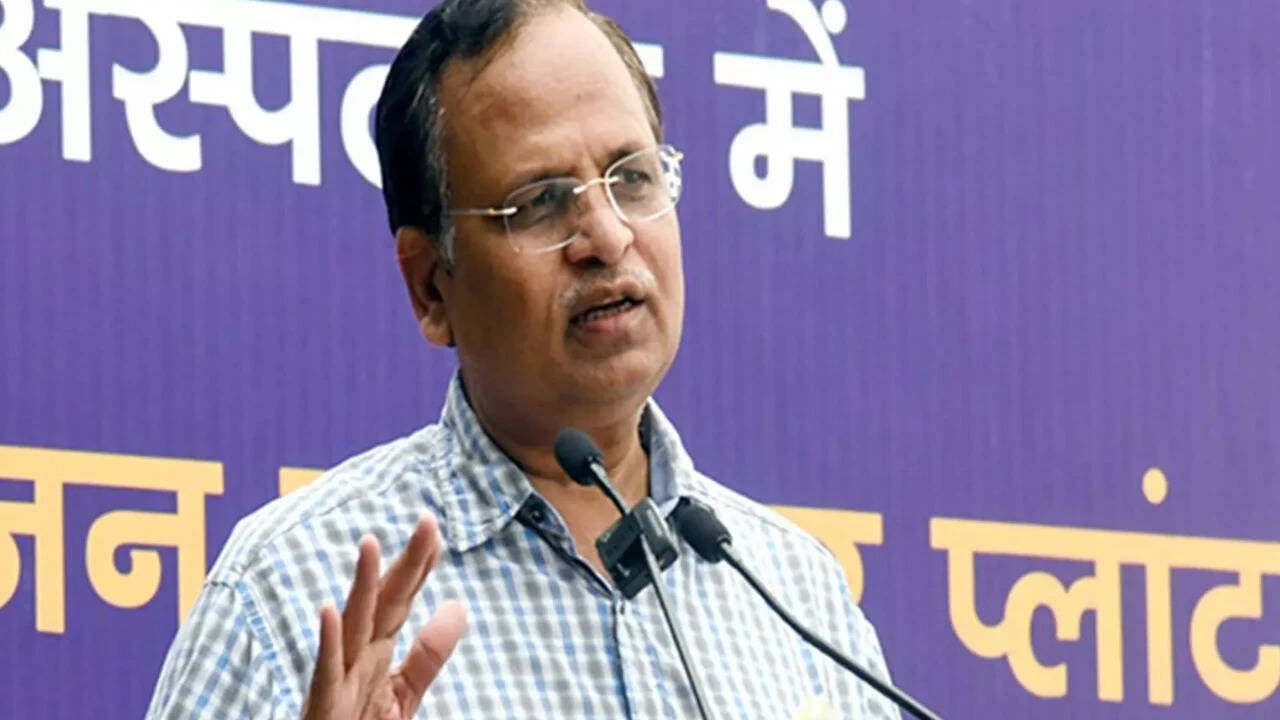
Delhi Minister Satyendar Jain and four other individuals have been sentenced to 14-day judicial custody in connection with the Delhi Jal Board case. The court's decision marks a significant development in the ongoing investigation into alleged irregularities within the Delhi Jal Board.
The Delhi Jal Board, responsible for the city's water supply, has been at the center of controversy surrounding corruption and mismanagement. As a minister in the Delhi government, Satyendar Jain's involvement in the case has sparked widespread attention and scrutiny.
The court's ruling to send Jain and the four other individuals to judicial custody indicates that the investigation is progressing, with authorities seeking to uncover the extent of any wrongdoing. The 14-day custody period will allow for further questioning and examination of the accused.
The Delhi Jal Board case has raised concerns about the transparency and accountability of government agencies, highlighting the need for effective oversight and regulation. The case against Satyendar Jain and others is likely to have implications for the Delhi government, with potential repercussions for the ruling party.
The investigation into the Delhi Jal Board case is ongoing, with more details expected to emerge in the coming days. The case has sparked debate about the need for greater transparency and accountability in government agencies, particularly those responsible for essential services like water supply.
The Delhi government has faced criticism over its handling of the case, with opposition parties calling for greater action to be taken against those accused of wrongdoing. The sentencing of Satyendar Jain and others to judicial custody is likely to increase pressure on the government to take decisive action.
In the broader context, the Delhi Jal Board case reflects the challenges faced by Indian cities in providing effective and sustainable water management systems. The case highlights the need for robust governance and oversight mechanisms to ensure that government agencies operate with integrity and transparency.
The significance of the case extends beyond the immediate issue of corruption, speaking to the importance of accountable governance and the rule of law in India's cities. As the investigation continues, it is likely to have far-reaching implications for the Delhi government and the wider debate about governance and transparency in India.
The case against Satyendar Jain and others will be closely watched, with many awaiting the outcome of the investigation and any potential consequences for those involved. The Delhi Jal Board case serves as a reminder of the importance of transparency, accountability, and effective governance in ensuring the delivery of essential services to citizens.
In conclusion, the sentencing of Satyendar Jain and four others to 14-day judicial custody marks a significant development in the Delhi Jal Board case. The case has sparked widespread debate and highlights the need for greater transparency and accountability in government agencies. As the investigation progresses, it is likely to have far-reaching implications for the Delhi government and the wider debate about governance in India.
Frequently asked questions
What is the Delhi Jal Board case about
The Delhi Jal Board case involves alleged irregularities and corruption within the Delhi Jal Board, which is responsible for the city's water supply.
How long will Satyendar Jain be in custody
Satyendar Jain and four others have been sentenced to 14-day judicial custody.