Patna HC Acquits Man of Attempted Rape Charge
Man cleared of attempted rape and wrongful confinement. Court finds insufficient evidence.
'%3E%3Crect%20width%3D'96'%20height%3D'96'%20fill%3D'%231A5276'%2F%3E%3Ccircle%20cx%3D'30'%20cy%3D'24'%20r%3D'44'%20fill%3D'%23fff'%20opacity%3D'.12'%2F%3E%3Ccircle%20cx%3D'60'%20cy%3D'74'%20r%3D'40'%20fill%3D'%23000'%20opacity%3D'.10'%2F%3E%3C%2Fg%3E%3Cg%20fill%3D'%23fff'%3E%3Cpath%20d%3D'M31%2041%20L48%2031%20L65%2041%20Z'%2F%3E%3Crect%20x%3D'33'%20y%3D'43'%20width%3D'4'%20height%3D'17'%2F%3E%3Crect%20x%3D'41'%20y%3D'43'%20width%3D'4'%20height%3D'17'%2F%3E%3Crect%20x%3D'51'%20y%3D'43'%20width%3D'4'%20height%3D'17'%2F%3E%3Crect%20x%3D'59'%20y%3D'43'%20width%3D'4'%20height%3D'17'%2F%3E%3Crect%20x%3D'30'%20y%3D'62'%20width%3D'36'%20height%3D'4'%20rx%3D'1'%2F%3E%3C%2Fg%3E%3C%2Fsvg%3E)
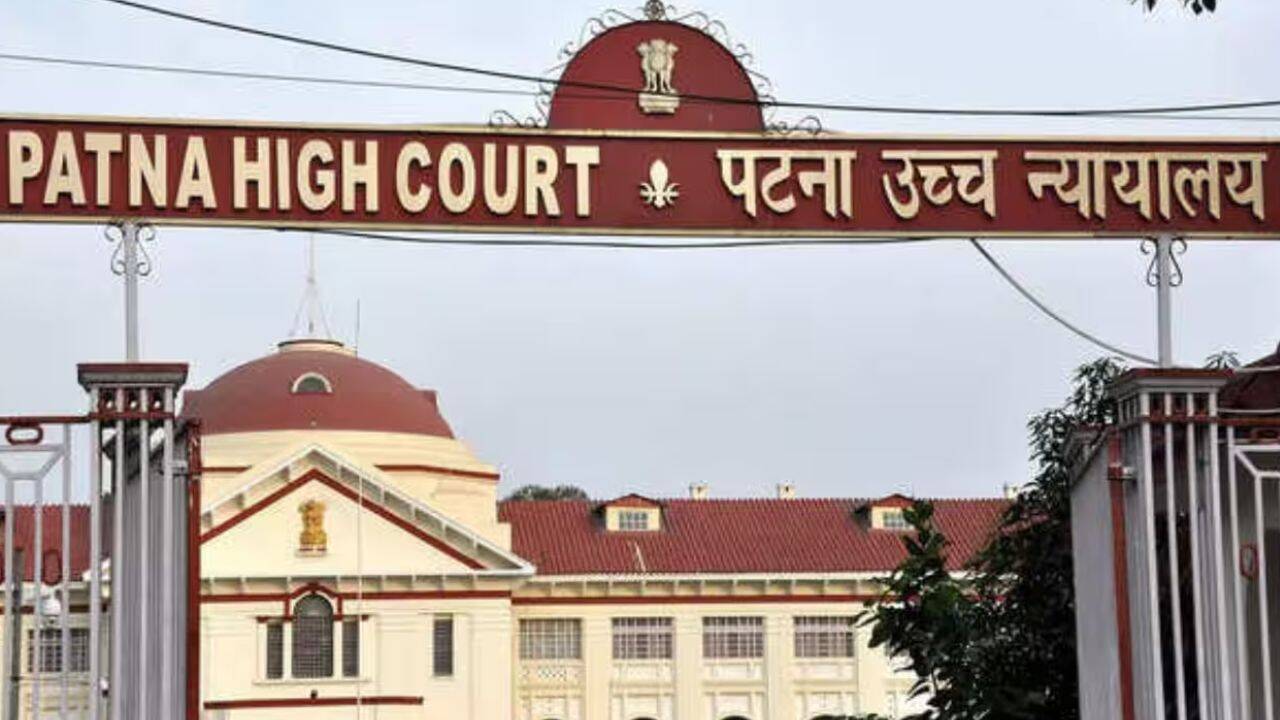
A significant ruling was handed down by the Patna High Court, acquitting a man who had been convicted of attempting to rape a woman and wrongfully confining her. The court's decision was based on the determination that the man's actions did not meet the legal criteria for attempted rape.
The case hinged on the specifics of the man's behavior, which included removing the woman's salwar and pressing her chest. However, the court found that these actions alone were not sufficient to constitute an attempt to rape. The judges emphasized the importance of evidence in such cases, noting that the allegations made against the man were not supported by medical corroboration.
The legal threshold for establishing attempted rape is high, requiring clear evidence of intent and action that demonstrates a genuine attempt to commit the crime. In this instance, the court found that the evidence presented did not cross this threshold. As a result, the man was cleared of all charges related to the alleged incident.
The Patna High Court's decision underscores the principle that the legal system must carefully consider the evidence presented in cases of attempted rape and ensure that convictions are based on robust and reliable evidence. This approach is crucial for upholding the integrity of the justice system and ensuring that the rights of all individuals involved are protected.
The context of this case highlights the complexities and challenges inherent in prosecuting cases of sexual assault. The absence of medical evidence to support the allegations was a significant factor in the court's decision. It also points to the broader issue of how cases of sexual violence are investigated and prosecuted, emphasizing the need for thorough and meticulous gathering of evidence.
In India, the legal framework for addressing sexual violence has undergone significant changes in recent years, aimed at strengthening protections for victims and ensuring swifter justice. Despite these efforts, challenges persist, including the need for greater sensitivity and understanding in the handling of such cases by law enforcement and the judiciary.
The acquittal of the man by the Patna High Court will likely contribute to ongoing discussions about the legal standards for prosecuting attempted rape and the importance of evidence-based convictions. It serves as a reminder of the delicate balance the justice system must strike between protecting the rights of the accused and ensuring justice for victims of sexual violence.
Ultimately, the significance of this ruling lies in its implications for how cases of attempted rape are adjudicated in India. It emphasizes the necessity of a rigorous and evidence-based approach to prosecutions, ensuring that the justice system functions fairly and effectively for all parties involved.