Delhi Considers Higher Floor Area Ratio
Delhi may increase Floor Area Ratio to replace old buildings.
'%3E%3Crect%20width%3D'96'%20height%3D'96'%20fill%3D'%23B3261E'%2F%3E%3Ccircle%20cx%3D'30'%20cy%3D'24'%20r%3D'44'%20fill%3D'%23fff'%20opacity%3D'.12'%2F%3E%3Ccircle%20cx%3D'60'%20cy%3D'74'%20r%3D'40'%20fill%3D'%23000'%20opacity%3D'.10'%2F%3E%3C%2Fg%3E%3Cg%20fill%3D'%23fff'%3E%3Crect%20x%3D'29'%20y%3D'49'%20width%3D'8'%20height%3D'19'%20rx%3D'1'%2F%3E%3Crect%20x%3D'39'%20y%3D'40'%20width%3D'9'%20height%3D'28'%20rx%3D'1'%2F%3E%3Crect%20x%3D'50'%20y%3D'45'%20width%3D'8'%20height%3D'23'%20rx%3D'1'%2F%3E%3Crect%20x%3D'60'%20y%3D'53'%20width%3D'7'%20height%3D'15'%20rx%3D'1'%2F%3E%3Crect%20x%3D'41'%20y%3D'34'%20width%3D'5'%20height%3D'6'%2F%3E%3C%2Fg%3E%3C%2Fsvg%3E)
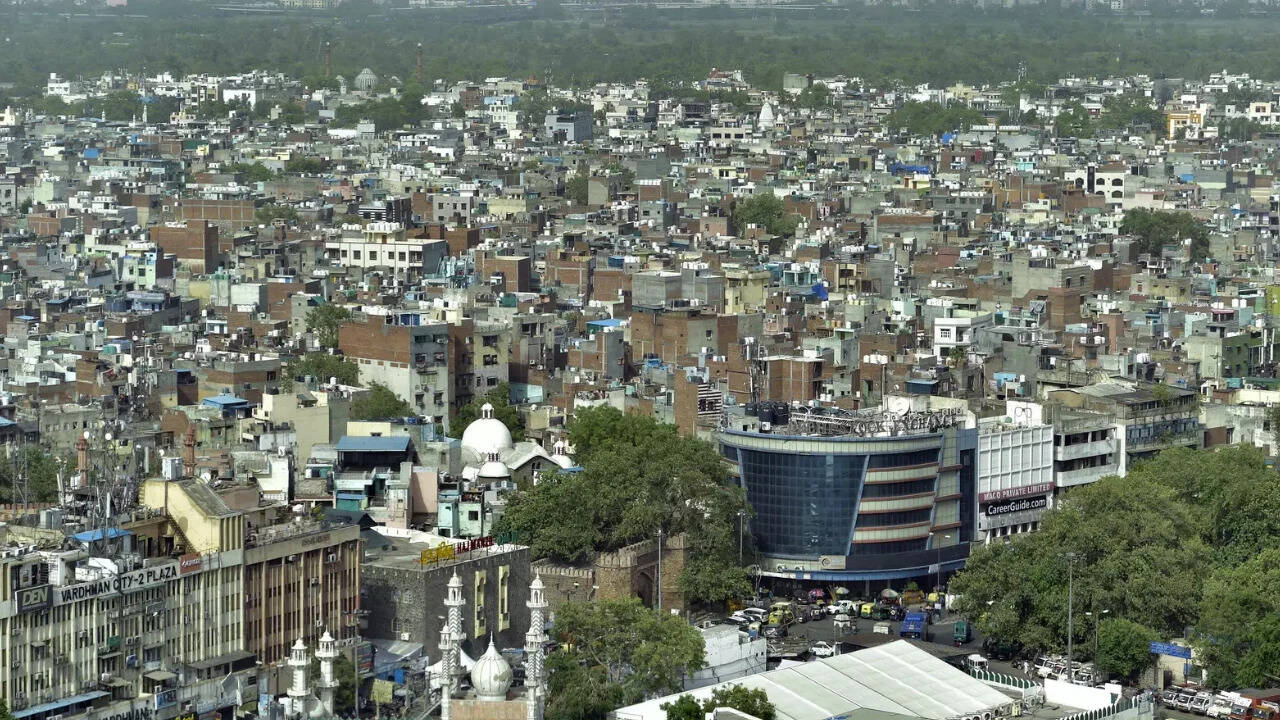
A recent building collapse in Delhi has highlighted the need for redevelopment in the city. The Delhi Master Plan is proposing an increase in the Floor Area Ratio (FAR) for older buildings, which would allow for greater construction on existing lots. This approach aims to address land shortages and enhance urban infrastructure in Indian cities.
The Floor Area Ratio is a measure of the total floor area of a building compared to the size of the land it is built on. It is an important factor in determining the density of development in a particular area. By increasing the FAR, the city hopes to encourage the redevelopment of old and dilapidated buildings, which would not only improve the safety of residents but also enhance the overall aesthetic of the city.
The proposal to increase the FAR is part of a larger effort to redevelop Delhi's urban landscape. The city's Master Plan aims to create more sustainable and livable communities, and the increased FAR is seen as a key component of this effort. By allowing for more construction on existing lots, the city hopes to reduce the pressure on outer areas and promote more efficient use of land.
The increase in FAR would also have economic benefits, as it would allow developers to build more units on a single plot of land, increasing the potential for revenue. However, there are also concerns that the increased density could put a strain on the city's infrastructure, including its roads, water supply, and sewage systems.
Despite these concerns, the proposal to increase the FAR is seen as a positive step towards addressing the city's housing shortage and improving its urban infrastructure. The city's authorities are working to ensure that the increased density is managed in a sustainable way, with adequate provisions for infrastructure and amenities.
The recent building collapse in Delhi has served as a wake-up call for the city's authorities, highlighting the need for urgent action to address the issue of dilapidated buildings. The proposal to increase the FAR is seen as a key part of this effort, and it is hoped that it will help to create safer and more sustainable communities in the city.
In the context of Indian cities, the concept of FAR is crucial in determining the density of development. With the increasing population and urbanization, cities are facing significant challenges in providing adequate housing and infrastructure. The increased FAR can help to address these challenges by allowing for more efficient use of land and promoting sustainable development.
In conclusion, the proposal to increase the FAR in Delhi is a significant step towards addressing the city's housing shortage and improving its urban infrastructure. While there are concerns about the potential impact on the city's infrastructure, the benefits of the increased FAR are seen as outweighing the costs. As the city moves forward with its redevelopment plans, it is hoped that the increased FAR will help to create safer, more sustainable, and more livable communities for its residents.
Frequently asked questions
What is Floor Area Ratio?
Floor Area Ratio is a measure of the total floor area of a building compared to the size of the land it is built on.
Why is Delhi increasing Floor Area Ratio?
Delhi is increasing Floor Area Ratio to replace old and dilapidated buildings, address land shortages, and enhance urban infrastructure.