Supreme Court Orders Release Of NEET Protesters
NEET protesters without criminal records to be released, coercive action halted
'%3E%3Crect%20width%3D'96'%20height%3D'96'%20fill%3D'%231A5276'%2F%3E%3Ccircle%20cx%3D'30'%20cy%3D'24'%20r%3D'44'%20fill%3D'%23fff'%20opacity%3D'.12'%2F%3E%3Ccircle%20cx%3D'60'%20cy%3D'74'%20r%3D'40'%20fill%3D'%23000'%20opacity%3D'.10'%2F%3E%3C%2Fg%3E%3Cg%20fill%3D'%23fff'%3E%3Cpath%20d%3D'M31%2041%20L48%2031%20L65%2041%20Z'%2F%3E%3Crect%20x%3D'33'%20y%3D'43'%20width%3D'4'%20height%3D'17'%2F%3E%3Crect%20x%3D'41'%20y%3D'43'%20width%3D'4'%20height%3D'17'%2F%3E%3Crect%20x%3D'51'%20y%3D'43'%20width%3D'4'%20height%3D'17'%2F%3E%3Crect%20x%3D'59'%20y%3D'43'%20width%3D'4'%20height%3D'17'%2F%3E%3Crect%20x%3D'30'%20y%3D'62'%20width%3D'36'%20height%3D'4'%20rx%3D'1'%2F%3E%3C%2Fg%3E%3C%2Fsvg%3E)
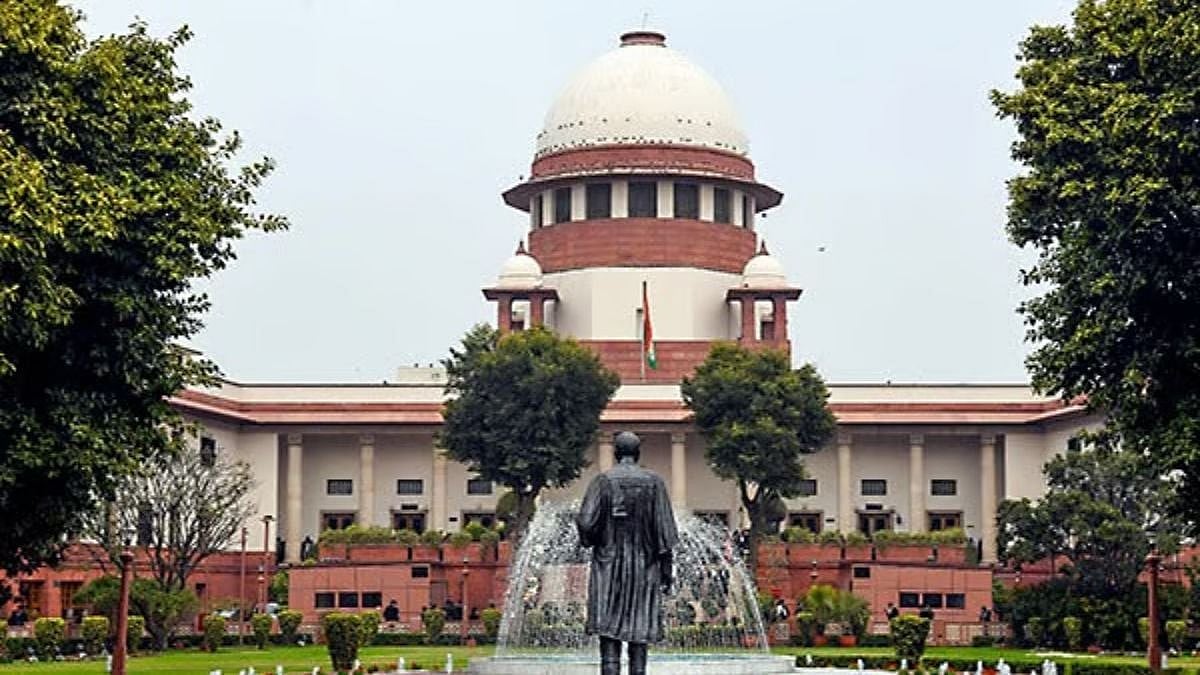
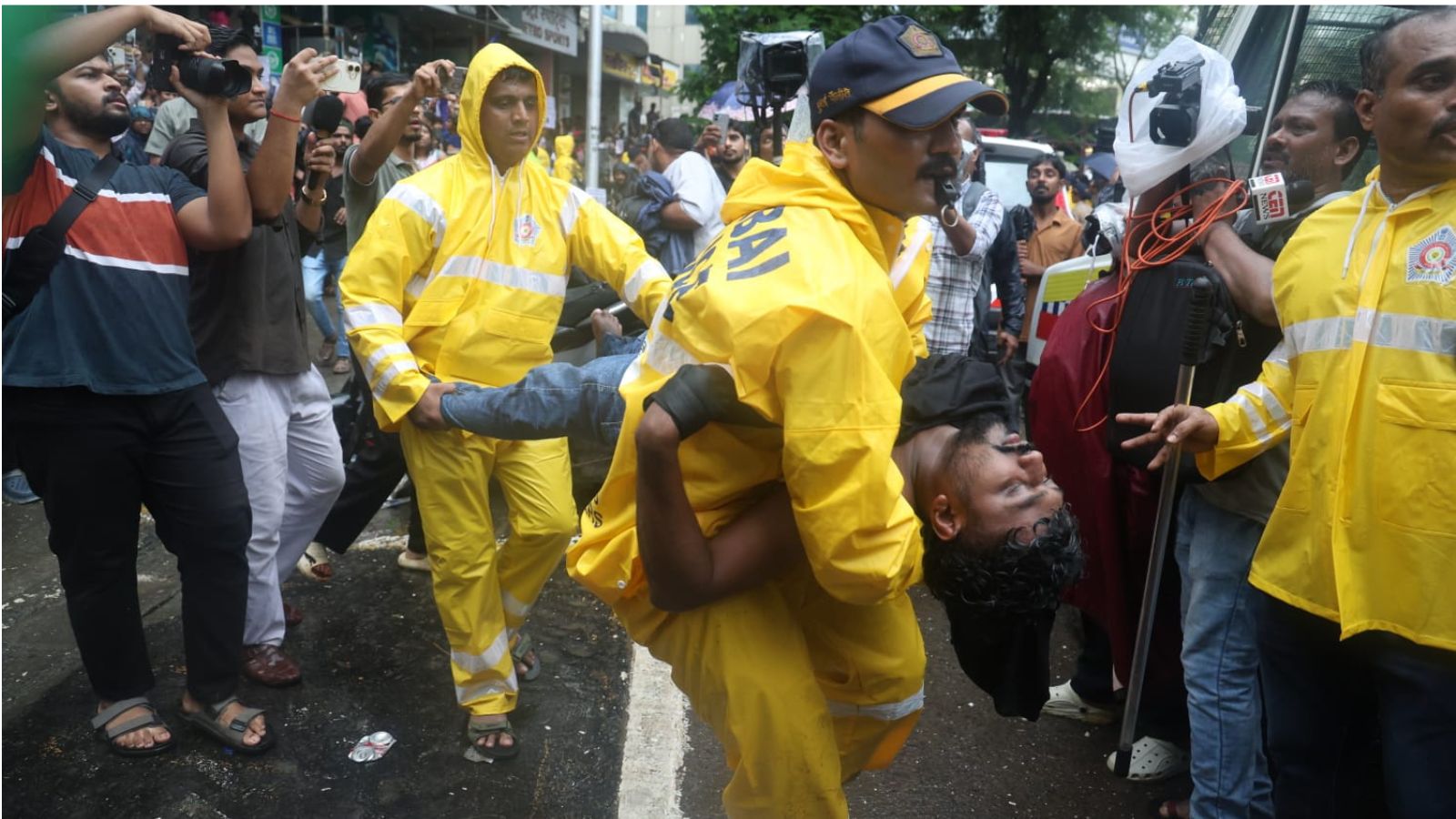
The Supreme Court on Tuesday ordered the release of students detained during the nationwide NEET protests without any criminal records. The court also directed states to not take any coercive action against students who participated in the protests.
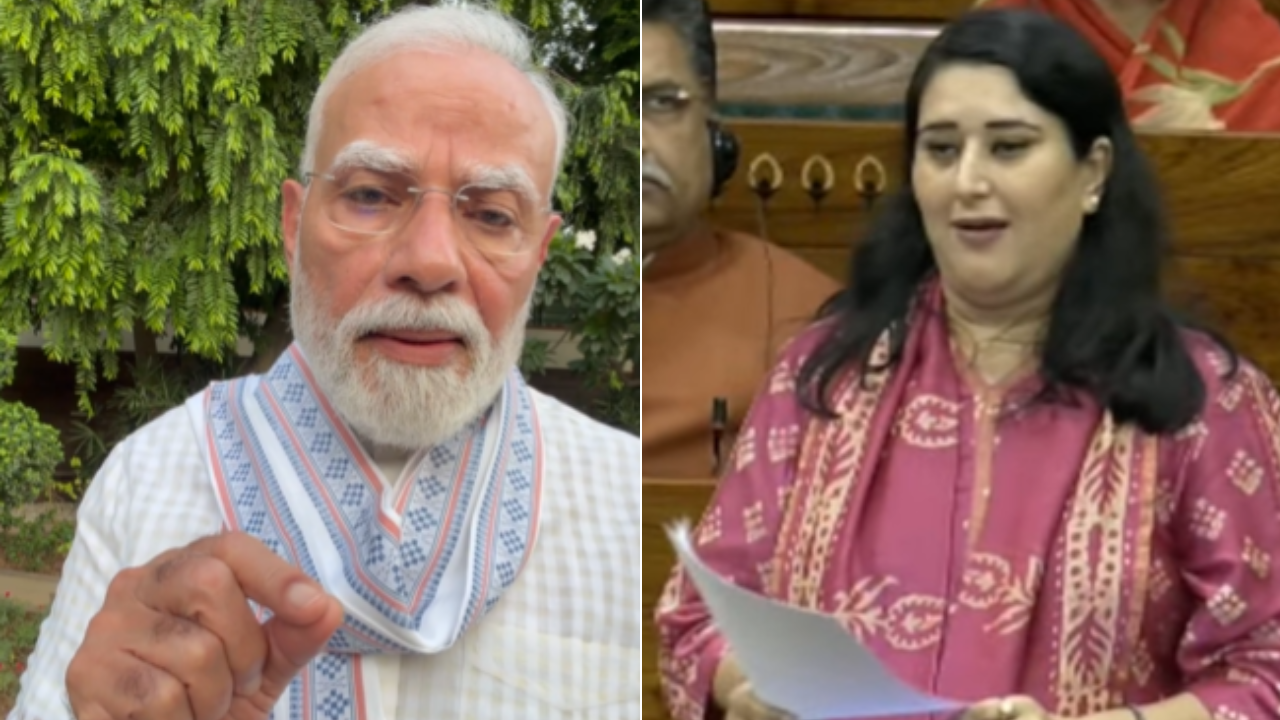
The protests were held demanding the resignation of Education Minister Dharmendra Pradhan following the NEET-UG 2026 paper leak. The court said that police can file FIRs but no coercive action should be taken for now.
The bench led by Chief Justice of India Surya Kant was hearing a batch of petitions alleging excessive force used by police during protests over examination-related issues. The court excluded individuals with criminal backgrounds from the order and did not give any clarity on the possible action against them.
The top court also directed authorities to preserve all evidence connected with the incidents, including CCTV footage, drone recordings, and body-worn camera footage. The personal information and digital data of student protesters are to be protected and not placed in the public domain for the time being.
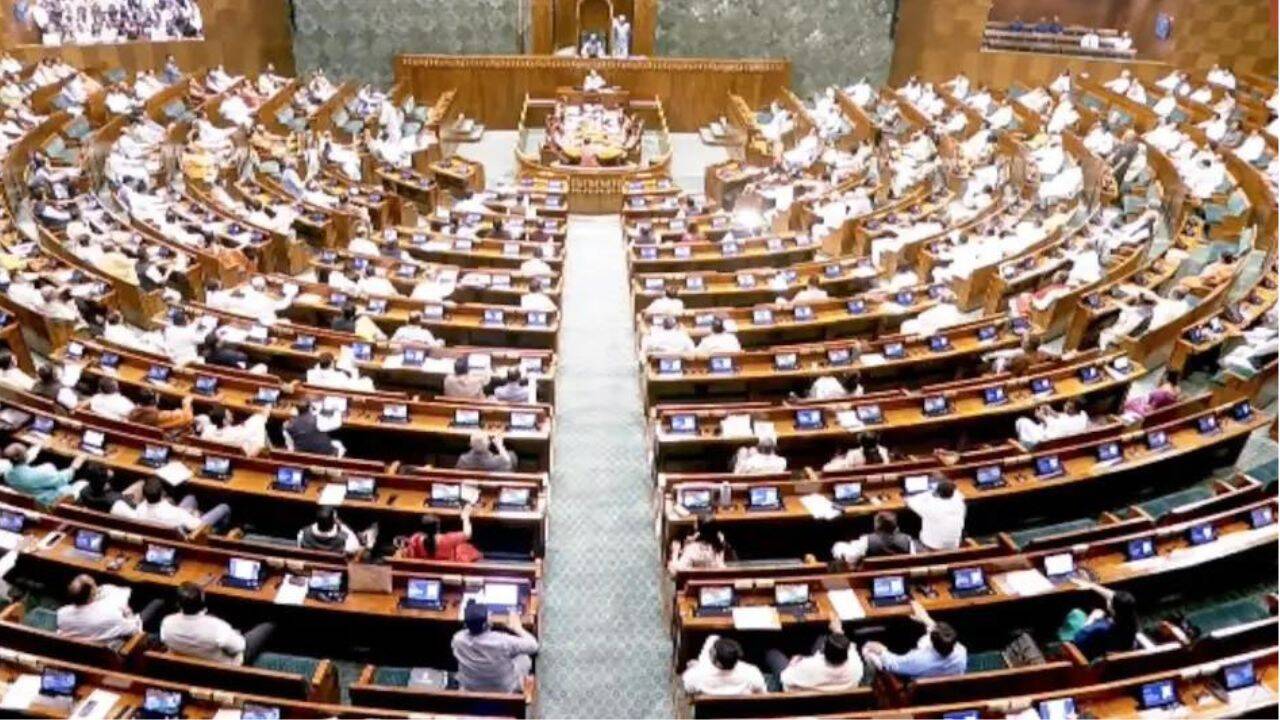
The court sought responses from the Union government and several states, including Assam, Bihar, West Bengal, Uttar Pradesh, Madhya Pradesh, Maharashtra, and Kerala. The court indicated that a Special Investigation Team (SIT) may be constituted to ensure a transparent probe into the incidents.
The Supreme Court called for an independent, fair, and transparent investigation into allegations of excessive force during the protests. The court stated that anyone found responsible for wrongdoing must face the law.
The NEET protests were led by the Cockroach Janta Party (CJP) and demanded the resignation of the Education Minister. The protests were held across the country, with students alleging that the paper leak was a result of negligence by the authorities.
The Supreme Court's order is a relief for the students who were detained or arrested during the protests. The order also ensures that the students' personal information and digital data are protected.
The court's decision to constitute a SIT to probe the incidents is a significant step towards ensuring accountability. The SIT will be headed by a retired Supreme Court judge and will ensure a transparent investigation into the allegations of excessive force.
The NEET protests highlighted the concerns of students regarding the examination system and the need for transparency and accountability. The Supreme Court's order is a step towards addressing these concerns and ensuring that the rights of students are protected.
In conclusion, the Supreme Court's order is a significant development in the NEET protests case. The order ensures the release of students without criminal records, halts coercive action, and directs authorities to preserve evidence. The court's decision to constitute a SIT to probe the incidents is a step towards ensuring accountability and transparency.
The Supreme Court's order has implications for the students who participated in the protests and the authorities responsible for maintaining law and order. The order highlights the need for transparency and accountability in the examination system and the importance of protecting the rights of students.
The case is a significant example of the judiciary's role in protecting the rights of citizens and ensuring accountability. The Supreme Court's order is a reminder that the judiciary is committed to upholding the rule of law and protecting the rights of individuals.
The NEET protests case has sparked a national debate on the examination system and the need for reforms. The Supreme Court's order is a step towards addressing these concerns and ensuring that the examination system is transparent and accountable.
The order is also a reminder that the rights of students must be protected and that the authorities must ensure that the examination system is fair and transparent. The Supreme Court's decision is a significant development in the case and has implications for the students, the authorities, and the examination system as a whole.
The Supreme Court's order is a victory for the students who participated in the protests and a reminder that the judiciary is committed to protecting the rights of citizens. The order highlights the importance of transparency and accountability in the examination system and the need for reforms to ensure that the system is fair and transparent.
In the end, the Supreme Court's order is a significant step towards ensuring that the rights of students are protected and that the examination system is transparent and accountable. The order has implications for the students, the authorities, and the examination system as a whole and highlights the need for reforms to ensure that the system is fair and transparent.
Frequently asked questions
What was the Supreme Court's order on NEET protesters?
The Supreme Court ordered the release of students detained during the protests without any criminal records and directed states to not take any coercive action against students who participated in the protests.
What is the next step in the NEET protests case?
The court has indicated that a Special Investigation Team (SIT) may be constituted to ensure a transparent probe into the incidents and has sought responses from the Union government and several states.