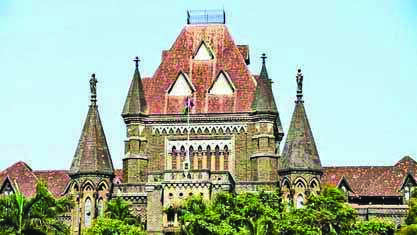
Maharashtra Ranks 4th in HDI, Last in Quality Life Years
Maharashtra ranks high in HDI, but low in quality life years. What does this mean?
'%3E%3Crect%20width%3D'96'%20height%3D'96'%20fill%3D'%23B3261E'%2F%3E%3Ccircle%20cx%3D'30'%20cy%3D'24'%20r%3D'44'%20fill%3D'%23fff'%20opacity%3D'.12'%2F%3E%3Ccircle%20cx%3D'60'%20cy%3D'74'%20r%3D'40'%20fill%3D'%23000'%20opacity%3D'.10'%2F%3E%3C%2Fg%3E%3Cg%20fill%3D'%23fff'%3E%3Crect%20x%3D'29'%20y%3D'49'%20width%3D'8'%20height%3D'19'%20rx%3D'1'%2F%3E%3Crect%20x%3D'39'%20y%3D'40'%20width%3D'9'%20height%3D'28'%20rx%3D'1'%2F%3E%3Crect%20x%3D'50'%20y%3D'45'%20width%3D'8'%20height%3D'23'%20rx%3D'1'%2F%3E%3Crect%20x%3D'60'%20y%3D'53'%20width%3D'7'%20height%3D'15'%20rx%3D'1'%2F%3E%3Crect%20x%3D'41'%20y%3D'34'%20width%3D'5'%20height%3D'6'%2F%3E%3C%2Fg%3E%3C%2Fsvg%3E)
Maharashtra has been ranked fourth among 21 states in the Human Development Index (HDI), but surprisingly, it has been ranked last in terms of 'good years' lived by its citizens. This discrepancy highlights the limitations of the HDI in capturing the full range of human development.
The HDI is a composite index that measures a country's or state's development based on factors such as life expectancy, education, and income. While Maharashtra has performed well in these areas, its ranking in terms of 'good years' suggests that there are other important aspects of human development that are not being captured by the HDI.
The concept of 'good years' refers to the number of years that a person lives without significant health problems or disabilities. This measure takes into account not just the length of a person's life, but also its quality. In this regard, Maharashtra's ranking is a cause for concern, as it suggests that despite its strong economic performance and high life expectancy, the state's citizens are not necessarily living healthy and fulfilling lives.
One possible explanation for this discrepancy is that the HDI does not fully capture the impact of lifestyle diseases, such as diabetes and heart disease, which are becoming increasingly prevalent in Maharashtra. These diseases can significantly reduce a person's quality of life, even if they do not necessarily shorten their lifespan.
Another factor that may be contributing to Maharashtra's low ranking in terms of 'good years' is the state's high level of air and water pollution. Exposure to polluted air and water can have serious health consequences, including respiratory problems, cancer, and other diseases. If Maharashtra is to improve its ranking in terms of 'good years', it will need to address these environmental challenges and invest in initiatives that promote healthy lifestyles and prevent disease.
The implications of Maharashtra's ranking are significant, as they suggest that the state's development model may be prioritizing economic growth over human well-being. This is a concern not just for Maharashtra, but for India as a whole, as the country seeks to balance its rapid economic growth with the need to improve the health and well-being of its citizens.
In conclusion, while Maharashtra's ranking in the HDI is a positive achievement, its low ranking in terms of 'good years' is a cause for concern. The state needs to take a more nuanced approach to development, one that prioritizes not just economic growth, but also the health and well-being of its citizens.
The Indian government has been working to improve the country's development rankings, but more needs to be done to address the issue of 'good years'. This includes investing in healthcare, education, and environmental protection, as well as promoting healthy lifestyles and preventing disease. By taking a more comprehensive approach to development, India can ensure that its citizens are not just living longer lives, but also healthier and more fulfilling ones.
Overall, the discrepancy between Maharashtra's HDI ranking and its ranking in terms of 'good years' highlights the need for a more nuanced approach to development, one that prioritizes human well-being alongside economic growth. This is a challenge not just for Maharashtra, but for India as a whole, as the country seeks to build a more sustainable and equitable future for all its citizens.
What it means for Mumbai and India is that there is a need to re-evaluate the development model and prioritize human well-being. The government needs to invest in initiatives that promote healthy lifestyles, prevent disease, and protect the environment. By doing so, India can ensure that its citizens are living healthy, fulfilling lives, and that the country is developing in a sustainable and equitable way.
Frequently asked questions
What is the Human Development Index (HDI)?
The HDI is a composite index that measures a country's or state's development based on factors such as life expectancy, education, and income.
Why is Maharashtra ranked last in 'good years' despite its high HDI ranking?
The discrepancy may be due to the state's high level of air and water pollution, as well as the prevalence of lifestyle diseases such as diabetes and heart disease.