Smartphones Adopt AI-Driven Interfaces
Smartphones ditch app grids, AI agents take over. New era of tech begins.
'%3E%3Crect%20width%3D'96'%20height%3D'96'%20fill%3D'%23B3261E'%2F%3E%3Ccircle%20cx%3D'30'%20cy%3D'24'%20r%3D'44'%20fill%3D'%23fff'%20opacity%3D'.12'%2F%3E%3Ccircle%20cx%3D'60'%20cy%3D'74'%20r%3D'40'%20fill%3D'%23000'%20opacity%3D'.10'%2F%3E%3C%2Fg%3E%3Cg%20fill%3D'%23fff'%3E%3Crect%20x%3D'29'%20y%3D'49'%20width%3D'8'%20height%3D'19'%20rx%3D'1'%2F%3E%3Crect%20x%3D'39'%20y%3D'40'%20width%3D'9'%20height%3D'28'%20rx%3D'1'%2F%3E%3Crect%20x%3D'50'%20y%3D'45'%20width%3D'8'%20height%3D'23'%20rx%3D'1'%2F%3E%3Crect%20x%3D'60'%20y%3D'53'%20width%3D'7'%20height%3D'15'%20rx%3D'1'%2F%3E%3Crect%20x%3D'41'%20y%3D'34'%20width%3D'5'%20height%3D'6'%2F%3E%3C%2Fg%3E%3C%2Fsvg%3E)
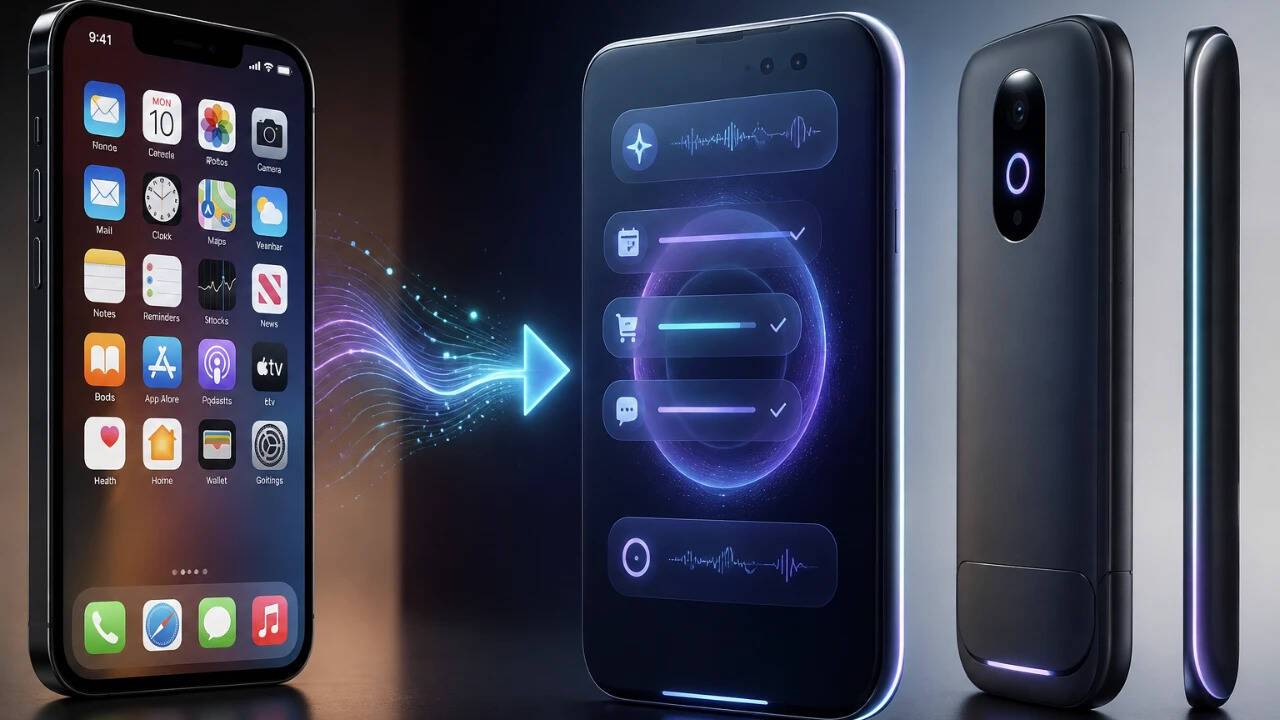
Smartphones are on the verge of a significant transformation, abandoning their traditional app icon grids in favor of AI-driven interfaces. This change will revolutionize the way users interact with their devices, as they will no longer need to manually open apps. Instead, users will communicate their intentions via voice or text to smart agents that will handle tasks seamlessly.
The introduction of AI-driven interfaces will enable smartphones to become more intuitive and user-friendly. Users will be able to simply tell their device what they want to do, and the AI agent will take care of the rest. This could include tasks such as sending messages, making calls, or accessing information.
The shift towards AI-driven interfaces is expected to have a significant impact on the way app stores operate. Instead of being a static repository of downloadable apps, app stores could evolve into dynamic service registries for these advanced AI agents. This would allow users to access a wide range of services and features without having to download and install separate apps.
The use of AI agents in smartphones is not entirely new, but the scale and scope of this new development are unprecedented. As AI technology continues to advance, we can expect to see even more innovative applications of AI in smartphones and other devices.
The benefits of AI-driven interfaces are numerous. They will enable users to interact with their devices more naturally and efficiently, allowing them to access the information and services they need more quickly. Additionally, AI-driven interfaces will enable devices to learn and adapt to user behavior, providing a more personalized experience.
The implications of this shift are far-reaching, and will likely have a significant impact on the way we use and interact with technology. As AI-driven interfaces become more prevalent, we can expect to see a fundamental change in the way we approach tasks and access information.
In the near future, we can expect to see a wide range of devices and services incorporating AI-driven interfaces. This will not only change the way we use our smartphones but also the way we interact with other devices and technologies.
The future of smartphones is exciting and uncertain, but one thing is clear: AI-driven interfaces are here to stay, and they will revolutionize the way we use and interact with technology.
The impact of this shift will be felt across various industries, from technology and telecommunications to healthcare and education. As AI-driven interfaces become more prevalent, we can expect to see new opportunities and challenges emerge.
In conclusion, the adoption of AI-driven interfaces in smartphones marks a significant milestone in the evolution of technology. As we move forward, we can expect to see even more innovative applications of AI, and a fundamental shift in the way we interact with devices and access information.
Frequently asked questions
What is the future of smartphones?
The future of smartphones involves AI-driven interfaces, where users communicate their intentions via voice or text to smart agents that handle tasks seamlessly.
How will app stores change with AI-driven interfaces?
App stores will evolve into dynamic service registries for advanced AI agents, allowing users to access a wide range of services and features without downloading separate apps.