Oil Prices Stay Above $90
Oil prices remain high due to US-Iran tensions and Hormuz disruptions.
'%3E%3Crect%20width%3D'96'%20height%3D'96'%20fill%3D'%234A235A'%2F%3E%3Ccircle%20cx%3D'30'%20cy%3D'24'%20r%3D'44'%20fill%3D'%23fff'%20opacity%3D'.12'%2F%3E%3Ccircle%20cx%3D'60'%20cy%3D'74'%20r%3D'40'%20fill%3D'%23000'%20opacity%3D'.10'%2F%3E%3C%2Fg%3E%3Cg%20fill%3D'none'%20stroke%3D'%23fff'%20stroke-width%3D'3'%3E%3Ccircle%20cx%3D'48'%20cy%3D'48'%20r%3D'16'%2F%3E%3Cellipse%20cx%3D'48'%20cy%3D'48'%20rx%3D'6.5'%20ry%3D'16'%2F%3E%3Cline%20x1%3D'32'%20y1%3D'42'%20x2%3D'64'%20y2%3D'42'%2F%3E%3Cline%20x1%3D'32'%20y1%3D'54'%20x2%3D'64'%20y2%3D'54'%2F%3E%3C%2Fg%3E%3C%2Fsvg%3E)
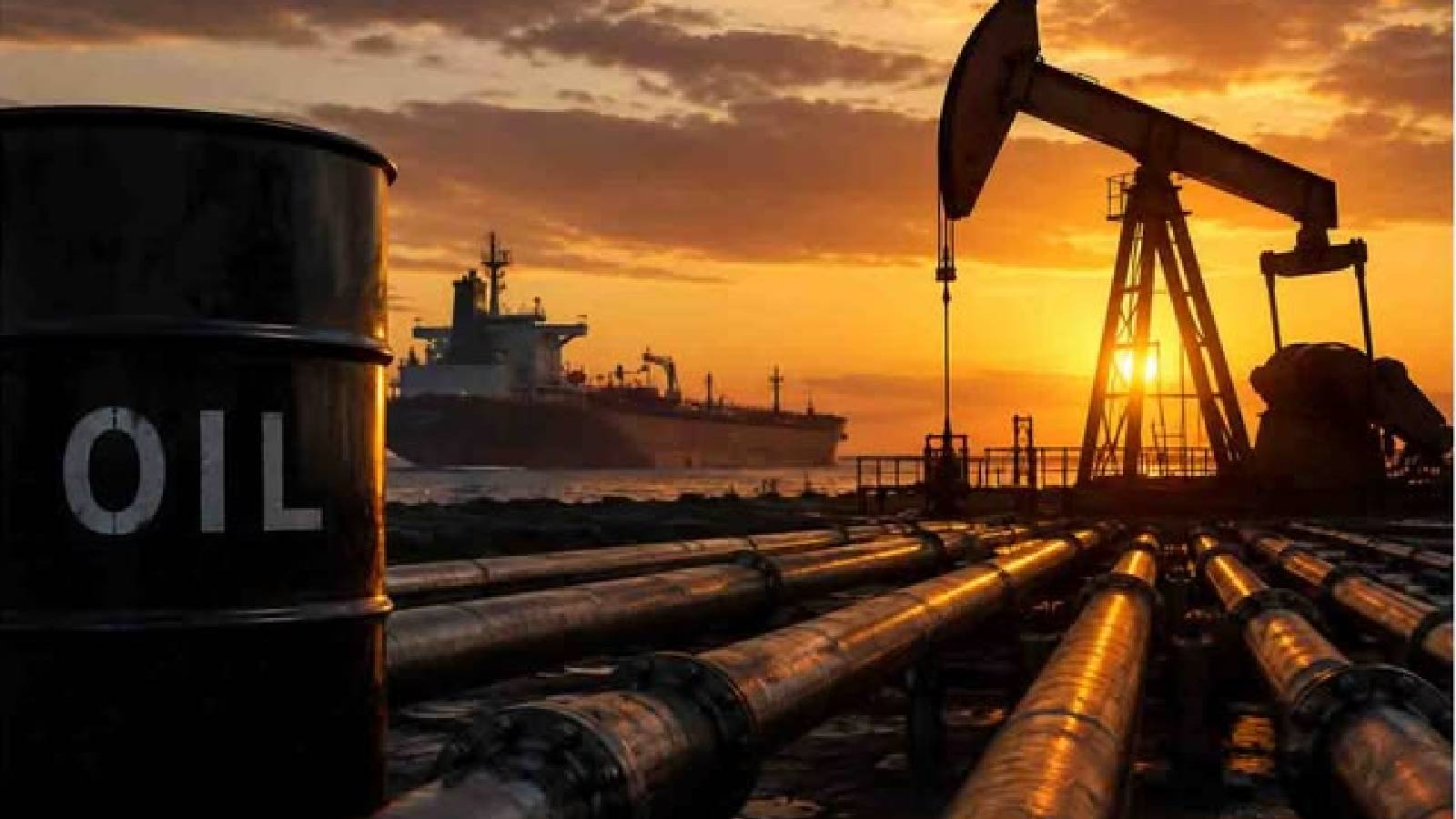
Oil prices have stabilized at high levels, with crude oil remaining above $90 per barrel. This is largely due to the ongoing uncertainty surrounding the US-Iran situation and its potential impact on shipping routes through the Strait of Hormuz.
The Strait of Hormuz is a critical waterway that connects the Persian Gulf to the Gulf of Oman, and it is a major route for oil exports. Any disruptions to shipping in this region can have a significant impact on global oil supplies and prices.
Investors are closely watching the situation, weighing the potential risks and impacts on the oil market. While there have been intermittent assaults in the Middle East, the absence of further escalations has prevented oil prices from surging even higher.
The United Arab Emirates' decision to suspend financial transactions with Iran has also raised regional tensions and contributed to the uncertainty in the oil market. This move is seen as a response to Iran's alleged support for militant groups in the region.
The US-Iran situation remains a major factor in the oil market, with tensions between the two countries showing no signs of easing. The US has imposed sanctions on Iran, which have had a significant impact on the country's oil exports.
Despite the challenges, oil prices have remained relatively stable in recent days. However, the potential for further disruptions in the Strait of Hormuz and the ongoing tensions between the US and Iran mean that oil prices are likely to remain volatile in the coming days.
The impact of high oil prices is being felt globally, with many countries struggling to cope with the increased cost of fuel. In India, the high oil prices have led to an increase in fuel prices, which has had a knock-on effect on the economy.
In conclusion, the oil price remaining above $90 per barrel is a significant development that has major implications for the global economy. The ongoing tensions in the Middle East and the potential for further disruptions in the Strait of Hormuz mean that oil prices are likely to remain high and volatile in the coming days.
The situation is being closely watched by investors and analysts, who are trying to predict the potential impact on the oil market. While it is difficult to predict exactly what will happen, one thing is certain - the high oil prices will continue to have a significant impact on the global economy.
As the situation continues to unfold, it is likely that oil prices will remain a major focus of attention for investors and analysts. The potential for further disruptions in the Strait of Hormuz and the ongoing tensions between the US and Iran mean that oil prices are likely to remain volatile and unpredictable.
In terms of what this means for Mumbai and India, the high oil prices will likely have a significant impact on the economy. The increased cost of fuel will lead to higher prices for goods and services, which will affect consumers and businesses alike.
The Indian government will need to carefully monitor the situation and take steps to mitigate the impact of high oil prices on the economy. This could include measures such as reducing taxes on fuel or increasing subsidies for certain industries.
Overall, the situation with oil prices is complex and unpredictable, and it will be important to continue to monitor developments in the coming days and weeks.
Frequently asked questions
Why are oil prices high?
Oil prices are high due to the US-Iran situation and potential impacts on shipping routes through the Strait of Hormuz.
What is the Strait of Hormuz?
The Strait of Hormuz is a critical waterway that connects the Persian Gulf to the Gulf of Oman and is a major route for oil exports.