Maharashtra To Revise Service Rules For Municipal Employees
Maharashtra Govt to revise service rules, fill vacancies and review transfer policy for municipal council employees.
'%3E%3Crect%20width%3D'96'%20height%3D'96'%20fill%3D'%23B3261E'%2F%3E%3Ccircle%20cx%3D'30'%20cy%3D'24'%20r%3D'44'%20fill%3D'%23fff'%20opacity%3D'.12'%2F%3E%3Ccircle%20cx%3D'60'%20cy%3D'74'%20r%3D'40'%20fill%3D'%23000'%20opacity%3D'.10'%2F%3E%3C%2Fg%3E%3Cg%20fill%3D'%23fff'%3E%3Crect%20x%3D'29'%20y%3D'49'%20width%3D'8'%20height%3D'19'%20rx%3D'1'%2F%3E%3Crect%20x%3D'39'%20y%3D'40'%20width%3D'9'%20height%3D'28'%20rx%3D'1'%2F%3E%3Crect%20x%3D'50'%20y%3D'45'%20width%3D'8'%20height%3D'23'%20rx%3D'1'%2F%3E%3Crect%20x%3D'60'%20y%3D'53'%20width%3D'7'%20height%3D'15'%20rx%3D'1'%2F%3E%3Crect%20x%3D'41'%20y%3D'34'%20width%3D'5'%20height%3D'6'%2F%3E%3C%2Fg%3E%3C%2Fsvg%3E)
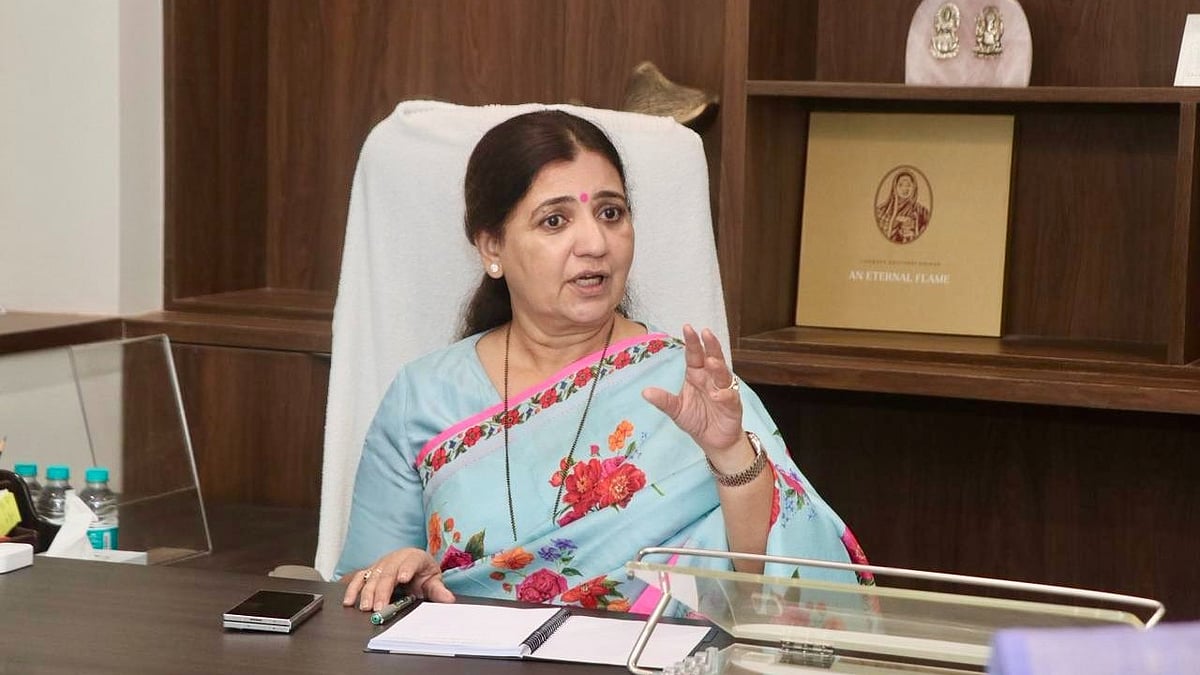
The Maharashtra government has initiated a move to revise the service recruitment rules for officers and employees of municipal councils and nagar panchayats. This decision was taken by Maharashtra Minister of State for Urban Development Madhuri Misal during a meeting at Sahyadri Guest House.
The meeting was held to review the demands raised by the Maharashtra State Municipal Council Cadre Officers' Association. Misal directed officials to urgently submit a proposal to revise the service rules under Article 309 of the Constitution. The aim is to address long-pending service-related issues affecting the municipal workforce across the state.
There are around 6,500 sanctioned posts in municipal councils and nagar panchayats, but only about 3,600 are currently filled. Misal instructed officials to expedite the recruitment process to fill the remaining vacancies. She also asked the department to consider extending the General Administration Department's transfer policy to municipal council employees.
The minister further directed officials to submit a proposal to restore compassionate appointments to Group C and Group D posts in municipal councils and nagar panchayats. This will be based on educational qualifications, as was the practice earlier. Misal also ordered the immediate resolution of technical issues in the IWBP portal, which is used by urban local bodies to deliver citizen services.
The meeting was attended by Municipal Administration Commissioner and Director Abhishek Krishna, senior departmental officials, and representatives of the Maharashtra State Municipal Council Cadre Officers' Association. The revision of service rules and filling of vacancies is expected to benefit thousands of municipal council employees across the state.
The Maharashtra government's move to revise the service rules is a significant step towards addressing the long-pending issues of municipal council employees. The decision to fill vacancies and review the transfer policy will also help to improve the functioning of municipal councils and nagar panchayats.
The municipal workforce plays a crucial role in delivering citizen services and maintaining urban infrastructure. The revision of service rules and filling of vacancies will help to ensure that municipal councils and nagar panchayats have the necessary personnel to perform their duties effectively.
The Maharashtra government's initiative is also expected to have a positive impact on the overall development of urban areas in the state. By addressing the service-related issues of municipal council employees, the government can help to improve the quality of life for citizens living in urban areas.
In conclusion, the Maharashtra government's decision to revise the service rules for municipal council employees is a welcome move. It is expected to benefit thousands of employees and help to improve the functioning of municipal councils and nagar panchayats. The move is also a significant step towards addressing the long-pending issues of municipal council employees and improving the overall development of urban areas in the state.
The decision will have a significant impact on the state's urban development and the lives of citizens living in urban areas. It is a positive step towards creating a more efficient and effective municipal administration system in Maharashtra.
The state government's initiative is a part of its efforts to improve the overall governance and administration of urban local bodies. The revision of service rules and filling of vacancies will help to ensure that municipal councils and nagar panchayats have the necessary personnel to deliver citizen services and maintain urban infrastructure.
Overall, the Maharashtra government's move to revise the service rules for municipal council employees is a significant step towards improving the functioning of municipal councils and nagar panchayats. It is expected to have a positive impact on the lives of citizens living in urban areas and the overall development of urban areas in the state.