Sheikh Hasina To Return To Bangladesh From India
Bangladesh's ousted PM to face death sentence, plans to surrender in court. Return planned for December with senior party leaders.

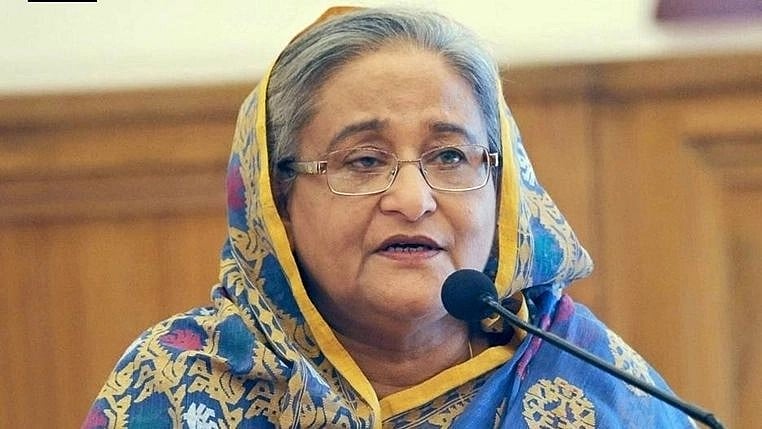
Sheikh Hasina, the ousted Prime Minister of Bangladesh, has announced her plans to return to her home country from exile in India around December. Despite facing a death sentence and the possibility of arrest or even death upon her arrival, Hasina intends to voluntarily return to Bangladesh and surrender before the courts.
In an interview, Hasina stated that she and several senior leaders of the Awami League will return to Bangladesh, describing it as both a political and personal decision. The 78-year-old leader expressed her desire to return to her own soil, where her parents are buried and where their blood was shed. Hasina said she is prepared for the possibility of arrest or even death, but she believes it is essential to return to Bangladesh.
The decision to return was taken in response to the continued persecution of Awami League workers. Hasina claimed that her party leaders and supporters have faced widespread arrests, legal action, and intimidation since her government was toppled in 2024. The Awami League was removed from power after a student-led uprising, and Hasina has been living in exile in India since then.
Hasina was sentenced to death in absentia by Bangladesh's war crimes tribunal over allegations that she ordered a violent crackdown on protesters during the unrest. She has consistently denied all allegations and believes that the legal proceedings will expose the shortcomings of the cases against her. Hasina has not discussed her return with either the Indian or Bangladeshi governments, stating that she will return voluntarily.
The former Prime Minister has been holding online meetings across 125 parliamentary constituencies to reorganise the Awami League, despite the party facing a ban in Bangladesh. Hasina acknowledged that governments can make mistakes but insisted that the ultimate verdict should belong to the people rather than political opponents.
Hasina's return to Bangladesh is a significant development in the country's political landscape. The move is seen as a bold step, given the risks involved, and it remains to be seen how the situation will unfold. The Awami League has been facing significant challenges since its removal from power, and Hasina's return may have implications for the party's future.
The situation in Bangladesh has been turbulent since Hasina's fall from power, with rising violence and uncertainty. The country has been experiencing a period of political instability, and Hasina's return may add to the complexity of the situation. However, it is also possible that her return could lead to a resolution of the ongoing political crisis.
In the context of Bangladesh's history, Hasina's decision to return to her home country is not surprising. The country has a long history of political turmoil, and its leaders have often faced significant challenges. Hasina's own history is marked by periods of imprisonment and exile, but she has always managed to return to power through democratic means.
The international community will be watching Hasina's return to Bangladesh closely. The situation has implications for regional stability and may have an impact on India-Bangladesh relations. The Indian government has been hosting Hasina in exile, and her return to Bangladesh may affect the dynamics of the relationship between the two countries.
In conclusion, Sheikh Hasina's decision to return to Bangladesh from India is a significant development in the country's political landscape. The move is seen as a bold step, given the risks involved, and it remains to be seen how the situation will unfold. The outcome of Hasina's return will have implications for Bangladesh's political future and may also affect regional stability.
The return of Sheikh Hasina to Bangladesh is a testament to her commitment to her country and her people. Despite the risks involved, she is willing to face the consequences of her actions and surrender to the courts. The situation will be closely watched by the international community, and it remains to be seen how the situation will unfold in the coming months.
For Mumbai residents, the situation in Bangladesh may seem distant, but it has implications for regional stability and may affect India's relations with its neighboring countries. The development is a reminder of the complex political landscape of the region and the need for ongoing engagement and dialogue to resolve conflicts and promote stability.
The situation in Bangladesh is a complex one, and Hasina's return is just one aspect of the ongoing political crisis. The country faces significant challenges, including rising violence and uncertainty, and it remains to be seen how the situation will unfold in the coming months. However, one thing is certain - Sheikh Hasina's return to Bangladesh will be a significant development in the country's political landscape, and it will have implications for the region as a whole.