US, India Boost Defence and Nuclear Ties
US and India expand cooperation in defence and civil nuclear energy. Emerging technologies also in focus.
'%3E%3Crect%20width%3D'96'%20height%3D'96'%20fill%3D'%234A235A'%2F%3E%3Ccircle%20cx%3D'30'%20cy%3D'24'%20r%3D'44'%20fill%3D'%23fff'%20opacity%3D'.12'%2F%3E%3Ccircle%20cx%3D'60'%20cy%3D'74'%20r%3D'40'%20fill%3D'%23000'%20opacity%3D'.10'%2F%3E%3C%2Fg%3E%3Cg%20fill%3D'none'%20stroke%3D'%23fff'%20stroke-width%3D'3'%3E%3Ccircle%20cx%3D'48'%20cy%3D'48'%20r%3D'16'%2F%3E%3Cellipse%20cx%3D'48'%20cy%3D'48'%20rx%3D'6.5'%20ry%3D'16'%2F%3E%3Cline%20x1%3D'32'%20y1%3D'42'%20x2%3D'64'%20y2%3D'42'%2F%3E%3Cline%20x1%3D'32'%20y1%3D'54'%20x2%3D'64'%20y2%3D'54'%2F%3E%3C%2Fg%3E%3C%2Fsvg%3E)
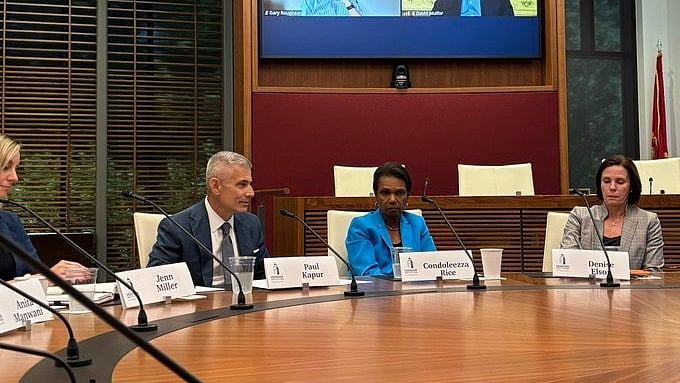
The United States and India are strengthening their partnership in defence and civil nuclear energy, according to US Assistant Secretary of State S Paul Kapur.
Kapur made these remarks during a roundtable discussion on India at the Hoover Institution, which was attended by notable figures such as former Secretary of State Condoleezza Rice and former US Ambassador to India David C Mulford.
The US official highlighted the benefits of this cooperation, stating that it is creating jobs in the US and strengthening critical supply chains for both countries.
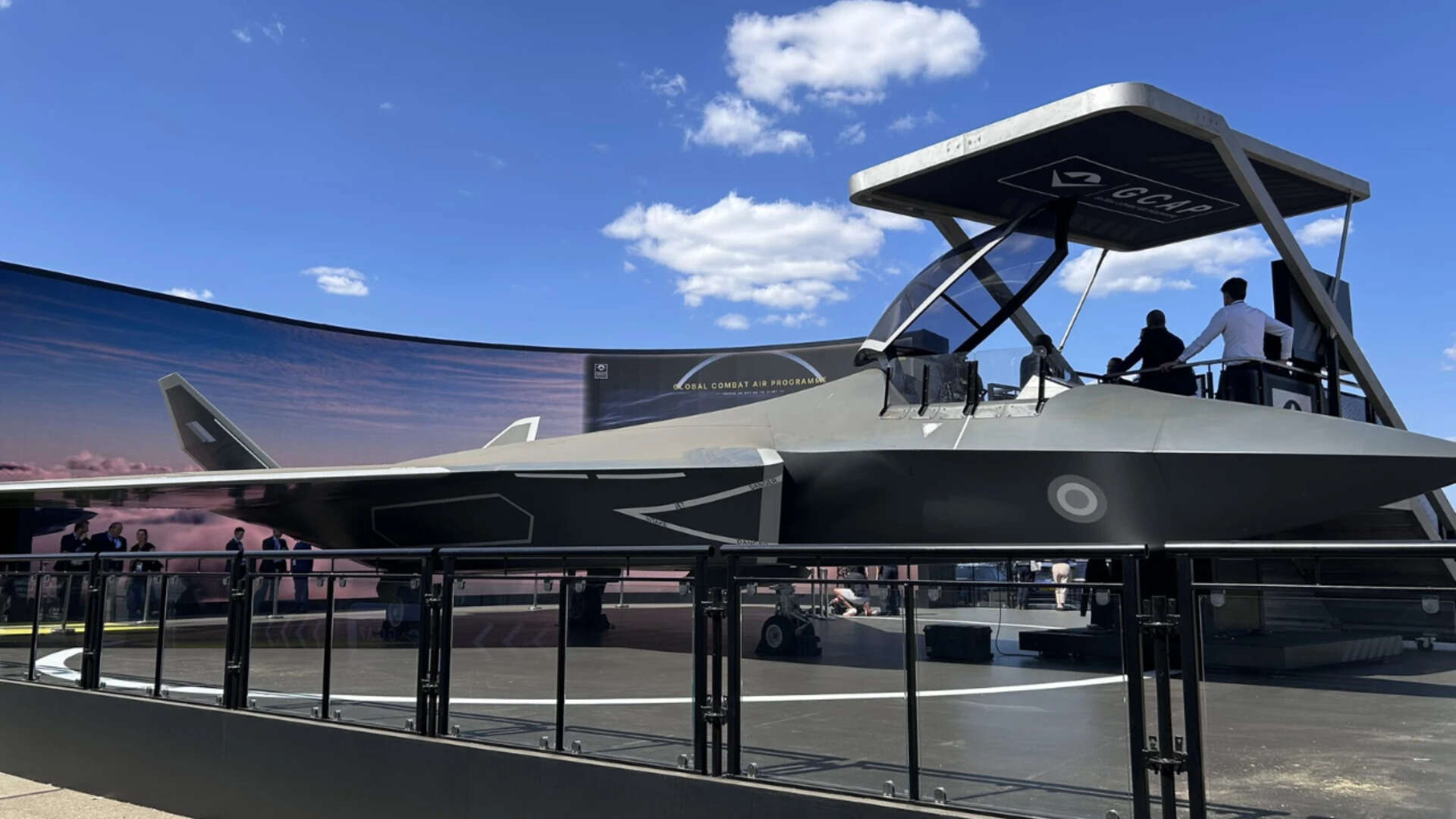
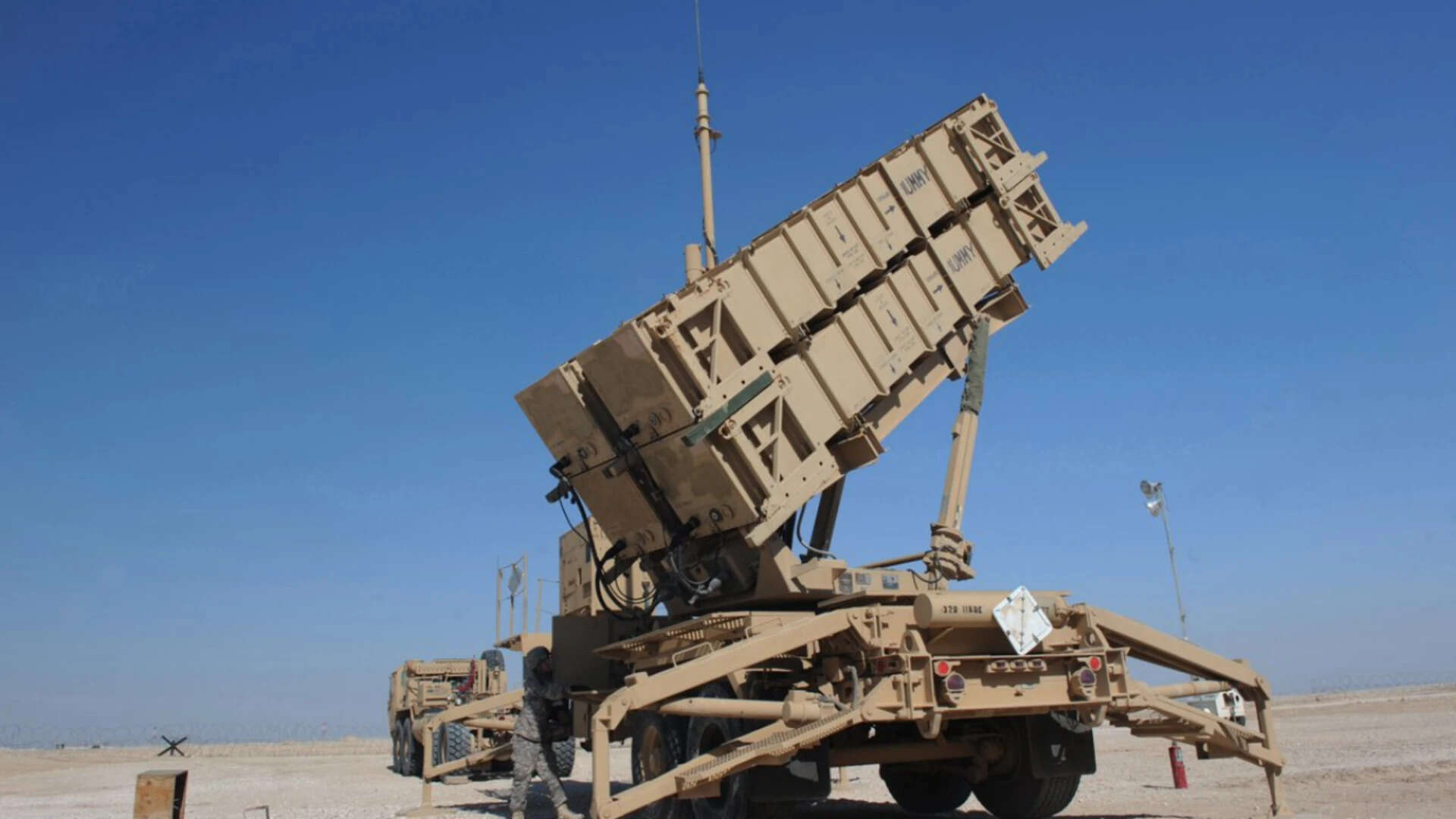
The US and India have been expanding their defence partnership, with a framework signed last year to enhance interoperability across various domains, including land, sea, air, space, and cyberspace.
Since 2002, India has procured several US defence platforms, including Apache and Chinook helicopters, transport aircraft, maritime patrol aircraft, and howitzers.
In addition to defence, the two countries are also exploring opportunities in the civil nuclear sector. American nuclear power companies are looking to collaborate with India's private sector, particularly after the enactment of the SHANTI law, which eased liability laws.
Earlier this year, a delegation of senior nuclear industry executives visited India to discuss potential partnerships.
The adoption of trusted artificial intelligence and other emerging technologies is also a key area of focus for the US and India, as they seek to power their economies and strengthen their partnership.
This cooperation is expected to have significant benefits for both countries, including job creation and economic growth.
The strengthening of ties between the US and India is a notable development in the region, with potential implications for global trade and security.
As the two countries continue to expand their cooperation, it is likely that their partnership will have a lasting impact on the region and beyond.
The US-India partnership is a key aspect of the region's economic and security landscape, and its continued growth and expansion are expected to have far-reaching consequences.
In conclusion, the expansion of defence and civil nuclear cooperation between the US and India is a significant development, with potential benefits for both countries and the region as a whole.
Frequently asked questions
What is the current state of US-India defence cooperation?
The US and India have signed a framework for a major defence partnership to strengthen interoperability across land, sea, air, space and cyberspace.
Are US companies interested in India's civil nuclear sector?
Yes, American nuclear power companies are exploring opportunities in India's civil nuclear sector, particularly after the enactment of the SHANTI law.