Weak Monsoon May Hit Rural Demand, Farm Income
Weak monsoon to affect farm incomes, inflation and rural consumption. S&P report highlights challenges for rural economy.

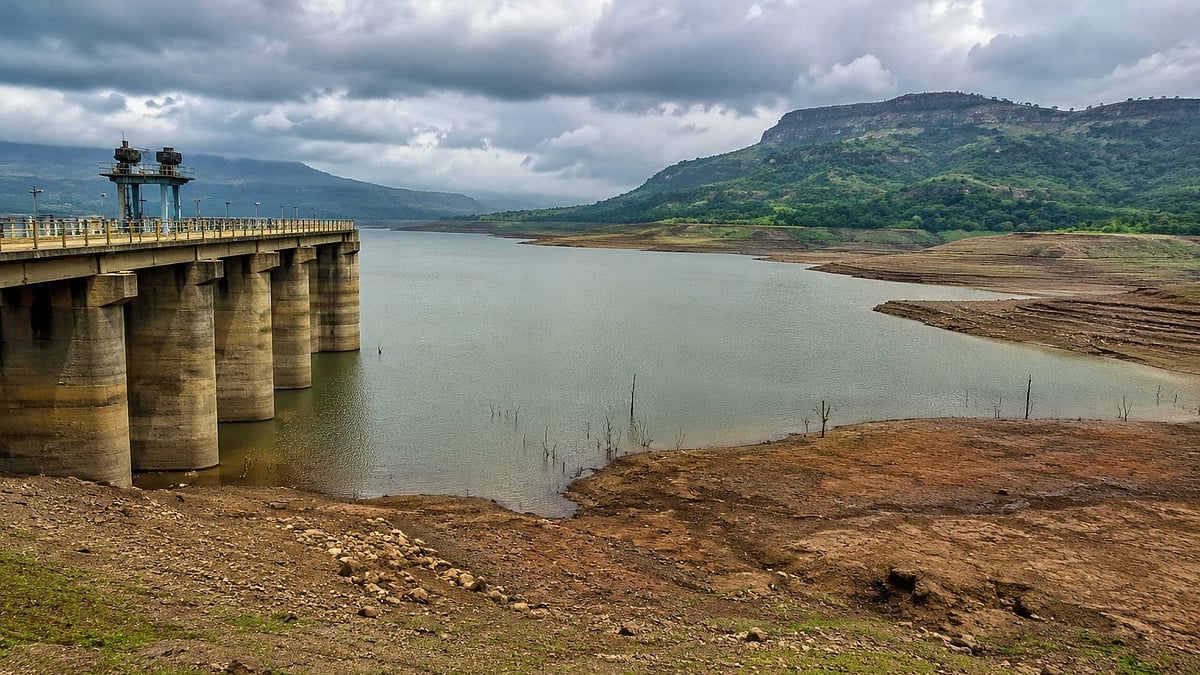
A weak southwest monsoon is expected to create significant challenges for India's rural economy, according to a report by S&P Global Ratings. The report states that the rural economy faces a dual threat: an unusually dry southwest monsoon and higher agro-input costs driven by geopolitical conflict.
The ratings agency notes that agriculture and related sectors such as agrochemicals, tractors, two-wheelers, and microfinance are expected to be the most impacted if rainfall remains below normal during the monsoon season. Lower crop yields could reduce farmers' earnings, weakening demand for rural-focused products and pushing up food prices.
The report highlights that reduced agricultural output could impact spending patterns in villages and affect sectors dependent on rural consumers. A deficient monsoon could also increase inflation, slow rural consumption growth, and put additional pressure on government finances. Furthermore, hydroelectric power generation could decline by 10-15% if rainfall remains inadequate.
The financial sector could also face pressure due to weaker rural conditions. Banks may experience slower credit growth and a moderate deterioration in asset quality, although the overall impact on their profitability is expected to remain manageable. However, microfinance institutions (MFIs) are likely to face greater challenges due to their strong exposure to rural borrowers and relatively weaker customer profiles.
Agricultural borrowers could see repayment difficulties if farm incomes decline, increasing risks for lenders operating in rural areas. Despite these concerns, S&P Global Ratings maintains that India's financial system remains resilient. Stronger growth in non-agricultural sectors, improved lending practices, and regulatory measures would help contain wider economic risks.
Geeta Chugh, Credit Analyst at S&P Global Ratings, notes that microfinance institutions are more vulnerable than banks, and a dip in agriculture-linked asset quality is anticipated. However, prudent underwriting standards and regulatory flexibility should prevent broader financial stress even if the monsoon performs below expectations.
The report concludes that while a weak monsoon could create short-term challenges for rural-linked sectors, India's diversified growth drivers and financial sector resilience are likely to limit the overall economic impact. The agency expects that the impact of a weak monsoon will be manageable, and the financial system will be able to withstand the challenges.
In the context of India's economy, the monsoon season plays a crucial role in determining the country's agricultural output and rural demand. A weak monsoon could have significant implications for the country's economic growth, inflation, and fiscal deficit. However, the report suggests that the impact of a weak monsoon will be limited, and the economy will be able to recover in the long term.
The Indian government has been taking measures to mitigate the impact of a weak monsoon, including increasing funding for irrigation projects and providing support to farmers. The government has also implemented policies to promote rural development and increase rural incomes.
In conclusion, a weak southwest monsoon is expected to create challenges for India's rural economy, but the impact is expected to be manageable. The financial system remains resilient, and the economy is expected to recover in the long term. The report highlights the need for prudent underwriting standards, regulatory flexibility, and diversified growth drivers to mitigate the impact of a weak monsoon.
The significance of this report lies in its ability to highlight the potential risks and challenges associated with a weak monsoon. It also underscores the importance of a resilient financial system and diversified growth drivers in mitigating the impact of such events. As India continues to grow and develop, it is essential to address the challenges posed by a weak monsoon and work towards creating a more sustainable and resilient economy.
Overall, the report by S&P Global Ratings provides a comprehensive analysis of the potential impact of a weak monsoon on India's rural economy. It highlights the challenges and risks associated with such an event and provides insights into the measures that can be taken to mitigate its impact. The report is a valuable resource for policymakers, economists, and stakeholders who are interested in understanding the complexities of India's economy and the challenges it faces.
In terms of its implications for Mumbai, the report suggests that a weak monsoon could have significant implications for the city's economy, particularly in terms of inflation and rural demand. As a major economic hub, Mumbai is closely linked to the rest of the country, and a weak monsoon could have far-reaching consequences for the city's businesses and residents. Therefore, it is essential for stakeholders in Mumbai to be aware of the potential risks and challenges associated with a weak monsoon and to take measures to mitigate its impact.
The report's findings are also relevant to the broader context of India's economic development. As the country continues to grow and develop, it is essential to address the challenges posed by a weak monsoon and to work towards creating a more sustainable and resilient economy. This requires a comprehensive approach that takes into account the complex interlinkages between different sectors of the economy and the potential risks and challenges associated with a weak monsoon.
In conclusion, the report by S&P Global Ratings provides a valuable insight into the potential impact of a weak monsoon on India's rural economy. Its findings are relevant to stakeholders in Mumbai and the broader context of India's economic development. As the country continues to grow and develop, it is essential to address the challenges posed by a weak monsoon and to work towards creating a more sustainable and resilient economy.
The significance of this report lies in its ability to highlight the potential risks and challenges associated with a weak monsoon. It also underscores the importance of a resilient financial system and diversified growth drivers in mitigating the impact of such events. As India continues to grow and develop, it is essential to address the challenges posed by a weak monsoon and work towards creating a more sustainable and resilient economy.
In the final analysis, the report by S&P Global Ratings provides a comprehensive analysis of the potential impact of a weak monsoon on India's rural economy. Its findings are relevant to stakeholders in Mumbai and the broader context of India's economic development. The report highlights the need for prudent underwriting standards, regulatory flexibility, and diversified growth drivers to mitigate the impact of a weak monsoon. As the country continues to grow and develop, it is essential to address the challenges posed by a weak monsoon and to work towards creating a more sustainable and resilient economy.
The report's conclusions are significant, as they highlight the potential risks and challenges associated with a weak monsoon. The report also underscores the importance of a resilient financial system and diversified growth drivers in mitigating the impact of such events. As India continues to grow and develop, it is essential to address the challenges posed by a weak monsoon and work towards creating a more sustainable and resilient economy.
In terms of its implications for India's economic growth, the report suggests that a weak monsoon could have significant implications for the country's GDP growth, inflation, and fiscal deficit. However, the report also notes that the impact of a weak monsoon will be manageable, and the economy will be able to recover in the long term.
The report's findings are also relevant to the broader context of India's economic development. As the country continues to grow and develop, it is essential to address the challenges posed by a weak monsoon and to work towards creating a more sustainable and resilient economy. This requires a comprehensive approach that takes into account the complex interlinkages between different sectors of the economy and the potential risks and challenges associated with a weak monsoon.
In conclusion, the report by S&P Global Ratings provides a valuable insight into the potential impact of a weak monsoon on India's rural economy. Its findings are relevant to stakeholders in Mumbai and the broader context of India's economic development. The report highlights the need for prudent underwriting standards, regulatory flexibility, and diversified growth drivers to mitigate the impact of a weak monsoon. As the country continues to grow and develop, it is essential to address the challenges posed by a weak monsoon and to work towards creating a more sustainable and resilient economy.
What it means for Mumbai and India is that a weak monsoon could have significant implications for the country's economic growth, inflation, and fiscal deficit. However, the report also notes that the impact of a weak monsoon will be manageable, and the economy will be able to recover in the long term. The report's findings are relevant to stakeholders in Mumbai and the broader context of India's economic development, and it highlights the need for prudent underwriting standards, regulatory flexibility, and diversified growth drivers to mitigate the impact of a weak monsoon.