Elon Musk's Starlink Pitch Faces Backlash in India
Netizens push back on Elon Musk's rural connectivity pitch, citing affordable 5G and security concerns.
'%3E%3Crect%20width%3D'96'%20height%3D'96'%20fill%3D'%231B5E20'%2F%3E%3Ccircle%20cx%3D'30'%20cy%3D'24'%20r%3D'44'%20fill%3D'%23fff'%20opacity%3D'.12'%2F%3E%3Ccircle%20cx%3D'60'%20cy%3D'74'%20r%3D'40'%20fill%3D'%23000'%20opacity%3D'.10'%2F%3E%3C%2Fg%3E%3Cg%3E%3Ccircle%20cx%3D'48'%20cy%3D'48'%20r%3D'15'%20fill%3D'%23fff'%2F%3E%3Cpath%20d%3D'M43%2034%20Q50%2048%2043%2062'%20fill%3D'none'%20stroke%3D'%238a94a6'%20stroke-width%3D'2.4'%2F%3E%3Cpath%20d%3D'M47%2033%20Q54%2048%2047%2063'%20fill%3D'none'%20stroke%3D'%238a94a6'%20stroke-width%3D'1.8'%20stroke-dasharray%3D'1.5%203'%2F%3E%3C%2Fg%3E%3C%2Fsvg%3E)
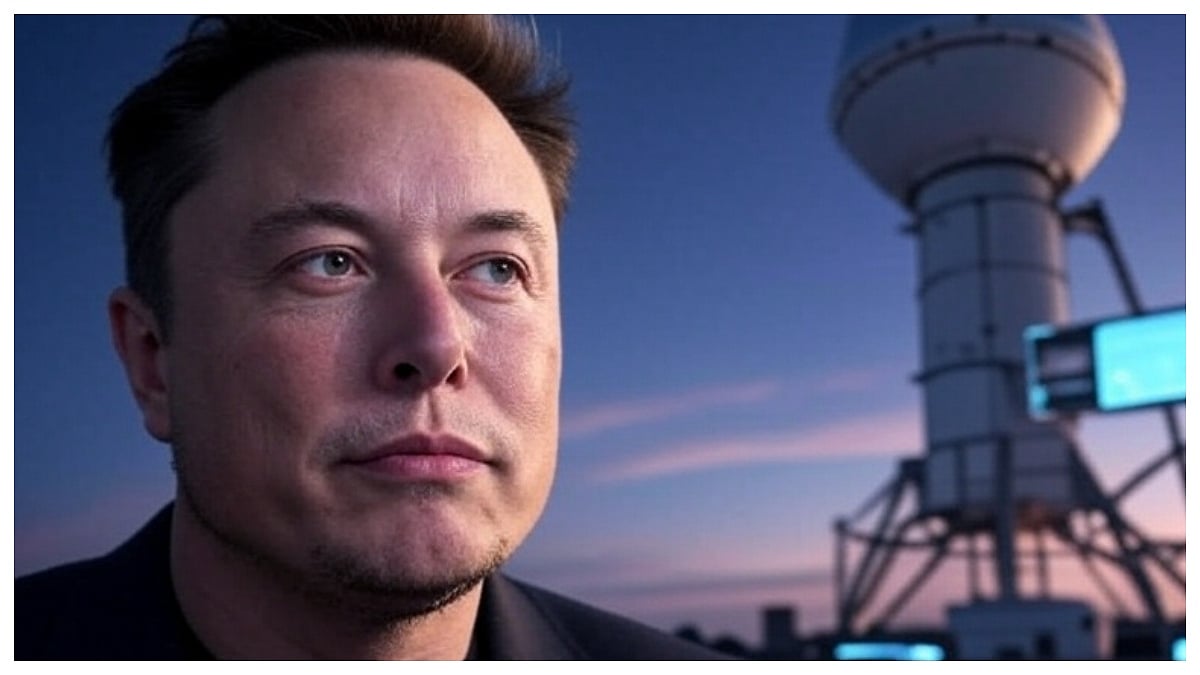
Elon Musk's endorsement of Starlink as a solution for India's rural connectivity gaps has sparked a wave of criticism online. The debate began after a user shared data highlighting the scale of India's rural connectivity gap, with 11,256 villages still lacking 4G coverage as of May 2026. Despite this, many users argue that India does not need Starlink, citing affordable local 5G access and security concerns.
According to the data, India had 1.093 billion internet subscriptions as of March 2026, with only 440.87 million of these being rural. The rural subscription density is 48.31 per 100 people, compared to 126.80 in urban India. The BharatNet project has made significant progress, laying over 850,000 route-km of fibre and making around 221,000 Gram Panchayats service-ready.
However, users such as Royal Singh and Anura have pushed back against the idea that Starlink is needed, citing their own experiences with reliable and affordable 5G services in rural areas. Singh, who lives in a remote village in northern India, said he receives reliable Airtel 5G service for close to $3.49. Anura, who posted about Bihar, said full-speed 5G with unlimited data is available in remote areas of the state for about $4.
Security concerns have also been raised, with some users referencing past instances of Starlink terminals being used by militant groups. Anura's post warned against allowing Starlink to be used as a tool for US algorithmic subversion and weaponisation, citing the potential for data exfiltration and exploitation.
Elon Musk responded to the post, saying that Starlink would benefit India's least-served rural regions. However, his comments have been met with skepticism by many users, who argue that India is not a testing ground for US technology and that national security concerns should take priority.
The debate highlights the complexities of India's rural connectivity gap and the need for careful consideration of the potential solutions. While Starlink may offer a potential solution for some areas, it is clear that many users are wary of its potential risks and benefits.
In the context of India's growing digital economy, the need for reliable and secure internet connectivity is becoming increasingly important. The government has made significant efforts to improve rural connectivity through initiatives such as BharatNet, but more work needs to be done to address the remaining gaps.
Ultimately, the decision on whether to allow Starlink to operate in India will depend on a careful weighing of the potential benefits and risks. As the debate continues, it is clear that Indian users are eager to have their voices heard and to ensure that any solution prioritizes the country's security and sovereignty.
The backlash against Elon Musk's Starlink pitch is a significant development in the ongoing discussion around India's rural connectivity gap. As the country continues to navigate the complexities of digital connectivity, it is likely that this debate will continue to evolve and shape the future of India's internet landscape.
In conclusion, the debate around Starlink in India highlights the need for careful consideration of the potential solutions to the country's rural connectivity gap. While Starlink may offer some benefits, it is clear that many users are wary of its potential risks and benefits, and that the government must prioritize national security and sovereignty in any decision-making process.
Frequently asked questions
What is the current state of rural connectivity in India?
India has 11,256 villages with no 4G coverage, and rural subscription density is 48.31 per 100 people.
Why are users pushing back against Elon Musk's Starlink pitch?
Users are citing affordable local 5G access, security concerns, and past misuse of Starlink terminals by militant groups.