Parliament Debates Anti-Paper Leak Bill Amid NEET Protest Controversy
Lok Sabha discusses Public Examinations Bill, Union Minister Jitendra Singh speaks
'%3E%3Crect%20width%3D'96'%20height%3D'96'%20fill%3D'%231A5276'%2F%3E%3Ccircle%20cx%3D'30'%20cy%3D'24'%20r%3D'44'%20fill%3D'%23fff'%20opacity%3D'.12'%2F%3E%3Ccircle%20cx%3D'60'%20cy%3D'74'%20r%3D'40'%20fill%3D'%23000'%20opacity%3D'.10'%2F%3E%3C%2Fg%3E%3Cg%20fill%3D'%23fff'%3E%3Cpath%20d%3D'M31%2041%20L48%2031%20L65%2041%20Z'%2F%3E%3Crect%20x%3D'33'%20y%3D'43'%20width%3D'4'%20height%3D'17'%2F%3E%3Crect%20x%3D'41'%20y%3D'43'%20width%3D'4'%20height%3D'17'%2F%3E%3Crect%20x%3D'51'%20y%3D'43'%20width%3D'4'%20height%3D'17'%2F%3E%3Crect%20x%3D'59'%20y%3D'43'%20width%3D'4'%20height%3D'17'%2F%3E%3Crect%20x%3D'30'%20y%3D'62'%20width%3D'36'%20height%3D'4'%20rx%3D'1'%2F%3E%3C%2Fg%3E%3C%2Fsvg%3E)
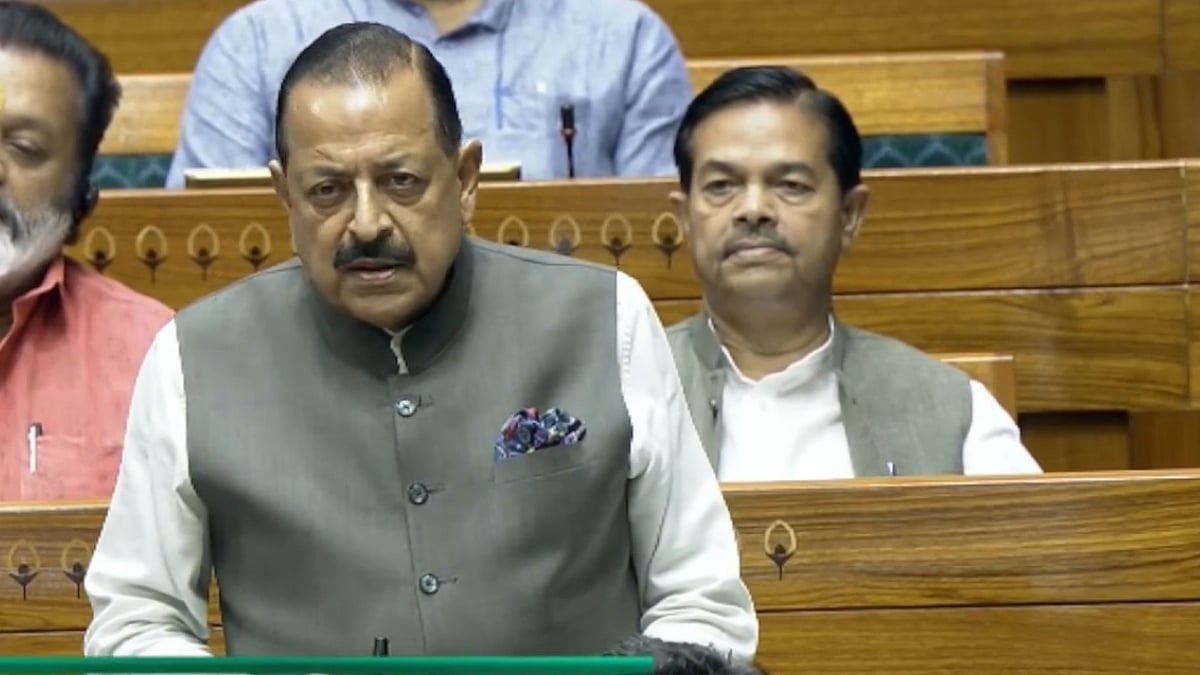
The Lok Sabha has resumed regular business after a week of deadlock over the NEET protest controversy, with a six-hour discussion allocated on the Public Examinations (Prevention of Unfair Means) Amendment Bill, 2026.
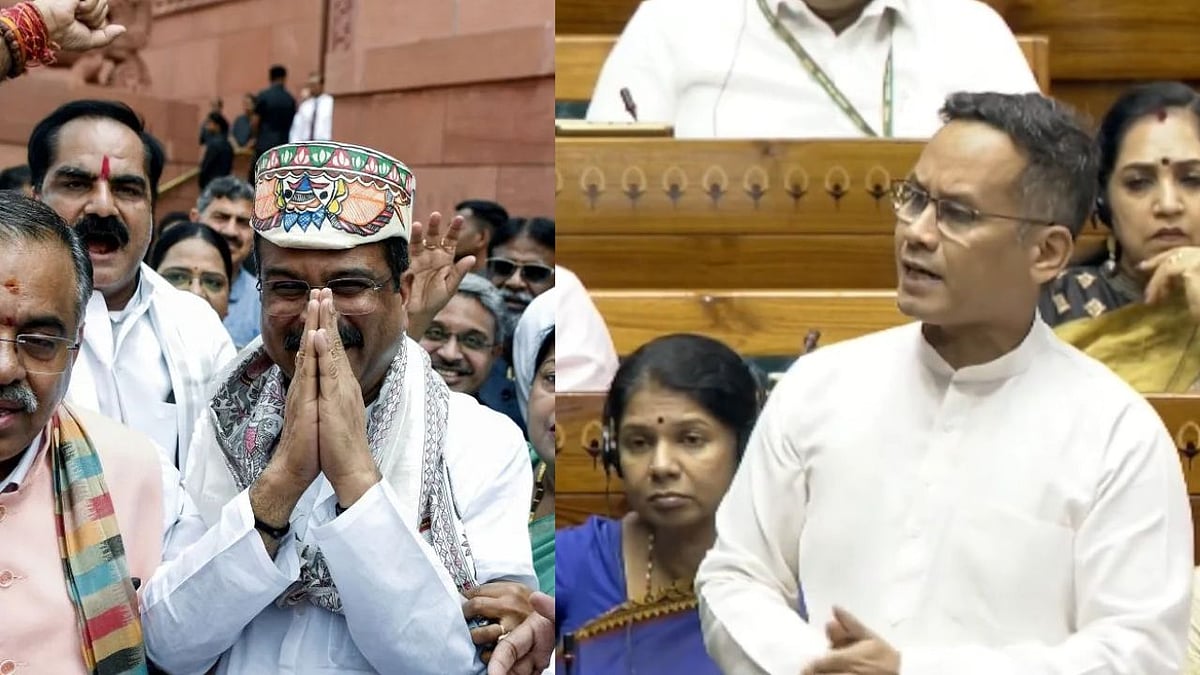
The Bill was introduced by Minister of State in the Prime Minister's Office Jitendra Singh, who stated that the Narendra Modi-led government was the first to recognize the need for dedicated legislation to address examination paper leaks.
BJP MP Bansuri Swaraj criticized the UPA regime, citing 22 instances of paper leaks before 2014, with examinations subsequently cancelled.
Congress MP Gaurav Gogoi questioned the use of excessive force on students during the protest, demanding answers on who ordered the use of tear gas, pellet guns, and lathi-charge.
Gogoi also stated that students were compelled to take to the streets over the NEET paper leak issue and urged the government to understand their pain instead of dismissing their concerns.
He further mentioned that 44 out of 45 accused in the NEET-UG 2024 paper leak case got bail, highlighting the need for a comprehensive law to address the issue.
Union Minister Jitendra Singh said that the government is committed to addressing the problem of paper leaks, but acknowledged that a comprehensive law may not be in place before 2024.
The discussion on the Bill is expected to continue, with the government seeking to address the concerns of the Opposition and the students who have been affected by the paper leak issue.
The NEET protest controversy has been a major issue in the country, with students and opposition parties demanding action against those responsible for the leak.
The government's response to the issue has been criticized, with many calling for a more comprehensive approach to addressing the problem of paper leaks.
The passage of the Public Examinations (Prevention of Unfair Means) Amendment Bill, 2026, is seen as a crucial step in addressing the issue, but its effectiveness remains to be seen.
The debate on the Bill is significant, as it highlights the need for a comprehensive approach to addressing the problem of paper leaks, which has been a persistent issue in the country.
The government's commitment to addressing the issue is welcome, but it remains to be seen whether the Bill will be able to effectively prevent paper leaks in the future.
In conclusion, the debate on the Public Examinations (Prevention of Unfair Means) Amendment Bill, 2026, is an important step in addressing the issue of paper leaks, and its passage is crucial in ensuring that the country's examination system is fair and transparent.
Frequently asked questions
What is the Public Examinations (Prevention of Unfair Means) Amendment Bill, 2026?
The Bill is an amendment to the earlier Public Examinations Prevention of Unfair Means Act 2024, aimed at preventing paper leaks in examinations.
How many instances of paper leaks were cited by BJP MP Bansuri Swaraj?
BJP MP Bansuri Swaraj cited 22 instances of paper leaks before 2014, with examinations subsequently cancelled.