Generation Z Leads Jantar Mantar Protest
Young Indians protest at Jantar Mantar, New Delhi, over NEET paper leak
'%3E%3Crect%20width%3D'96'%20height%3D'96'%20fill%3D'%231A5276'%2F%3E%3Ccircle%20cx%3D'30'%20cy%3D'24'%20r%3D'44'%20fill%3D'%23fff'%20opacity%3D'.12'%2F%3E%3Ccircle%20cx%3D'60'%20cy%3D'74'%20r%3D'40'%20fill%3D'%23000'%20opacity%3D'.10'%2F%3E%3C%2Fg%3E%3Cg%20fill%3D'%23fff'%3E%3Cpath%20d%3D'M31%2041%20L48%2031%20L65%2041%20Z'%2F%3E%3Crect%20x%3D'33'%20y%3D'43'%20width%3D'4'%20height%3D'17'%2F%3E%3Crect%20x%3D'41'%20y%3D'43'%20width%3D'4'%20height%3D'17'%2F%3E%3Crect%20x%3D'51'%20y%3D'43'%20width%3D'4'%20height%3D'17'%2F%3E%3Crect%20x%3D'59'%20y%3D'43'%20width%3D'4'%20height%3D'17'%2F%3E%3Crect%20x%3D'30'%20y%3D'62'%20width%3D'36'%20height%3D'4'%20rx%3D'1'%2F%3E%3C%2Fg%3E%3C%2Fsvg%3E)
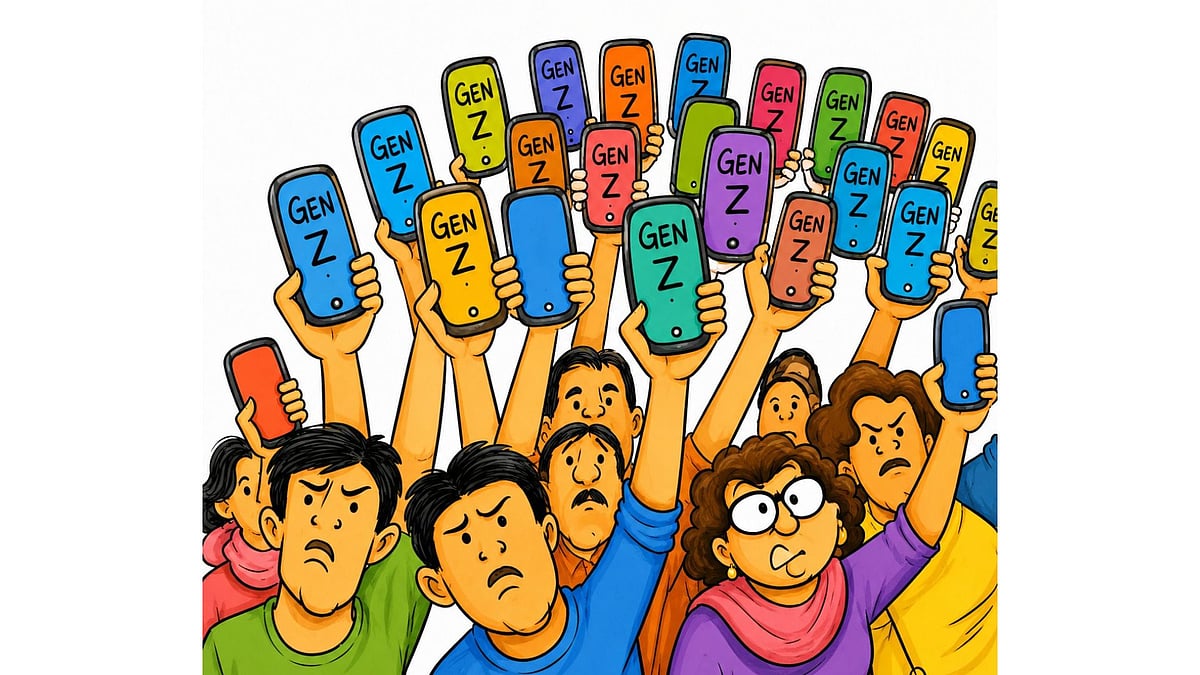
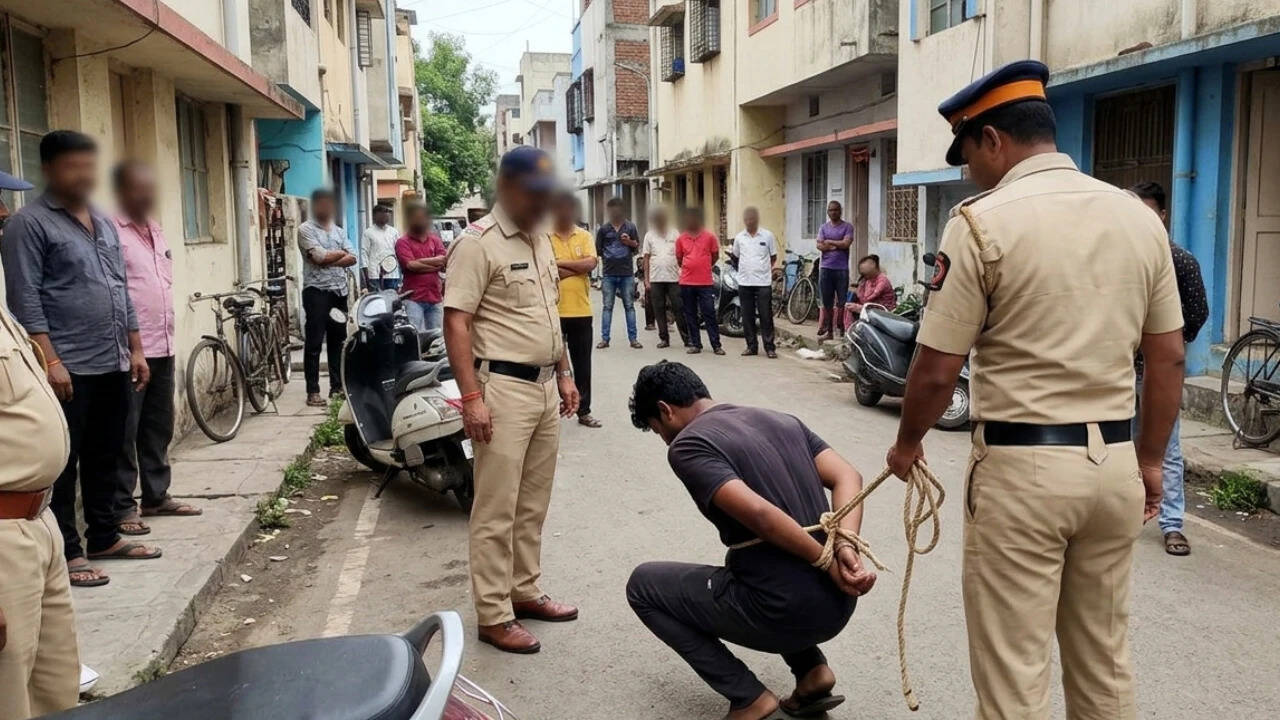
A recent protest at Jantar Mantar in New Delhi has caught the nation's attention, with Generation Z, individuals born between 1997 and 2012, at the forefront. The protest was sparked by the sardonic Cockroach Janata Party and led to the resignation of a minister over the NEET paper leak. The agitation spread to other cities, including Bhopal, the capital of Madhya Pradesh.
The protest has created three distinct groups: those who support it, those who reject it, and those who back it but object to the language and memes used by the agitators. This movement is not an isolated incident, as Generation Z has been involved in similar movements against authorities in other countries, including Bangladesh, Sri Lanka, and Nepal.
Historically, young people have played a significant role in leading protests and movements against authorities. During the British rule, individuals in the same age group as Generation Z today led the protests, with some even sacrificing their lives for the cause. The Indian freedom struggle, led by Mahatma Gandhi, also saw the participation of young people, who used peaceful civil disobedience, or Satyagraha, to achieve their goals.
In the post-independent era, the democratic resistance movement led by Jaiprakash Narayan against the Emergency in 1975-1977 also saw the participation of young people, then known as baby boomers. The movement was marked by police crackdowns, with students forced to take shelter in forests. Despite government control over the information system, some newspapers continued to publish critical cartoons and editorials, ultimately contributing to the downfall of the authoritarian government.
The Jantar Mantar protest has significant implications for the country, as it highlights the power of young people to bring about change. With the advent of social media, Generation Z has been able to mobilize and organize protests more effectively than ever before. The protest also raises questions about the language and tone used by the agitators, with some objecting to the memes and satire used to convey their message.
As the country moves forward, it is essential to recognize the role of young people in shaping the nation's future. The Jantar Mantar protest is a testament to the power of Generation Z to bring about change and challenge authorities. It also highlights the need for constructive dialogue and peaceful protest, rather than resorting to violence or aggressive language.
In conclusion, the Jantar Mantar protest led by Generation Z is a significant event that has caught the nation's attention. It highlights the power of young people to bring about change and challenge authorities, while also raising questions about the language and tone used by the agitators. As the country moves forward, it is essential to recognize the role of young people in shaping the nation's future and to encourage constructive dialogue and peaceful protest.
The protest has also sparked a debate about the role of social media in mobilizing and organizing protests. With the advent of social media, Generation Z has been able to reach a wider audience and mobilize support for their cause. However, it also raises questions about the responsible use of social media and the need for constructive dialogue and peaceful protest.
Overall, the Jantar Mantar protest is a significant event that highlights the power of Generation Z to bring about change and challenge authorities. It is essential to recognize the role of young people in shaping the nation's future and to encourage constructive dialogue and peaceful protest.
The nation is watching the developments closely, and it remains to be seen how the government will respond to the protest. One thing is certain, however: Generation Z has made its presence felt, and its voice will not be ignored.
In the end, the Jantar Mantar protest is a reminder that young people have the power to bring about change and shape the nation's future. It is essential to recognize this power and to encourage constructive dialogue and peaceful protest, rather than resorting to violence or aggressive language.
Frequently asked questions
What is Generation Z?
Generation Z refers to individuals born between 1997 and 2012, aged 14 to 29 years.
What was the Jantar Mantar protest about?
The protest was sparked by the sardonic Cockroach Janata Party and was over the NEET paper leak, leading to the resignation of a minister.