Bombay HC Allows ILS Law Students to Take Exams
ILS Law college students get relief, can appear for exams despite attendance issues.
'%3E%3Crect%20width%3D'96'%20height%3D'96'%20fill%3D'%23B3261E'%2F%3E%3Ccircle%20cx%3D'30'%20cy%3D'24'%20r%3D'44'%20fill%3D'%23fff'%20opacity%3D'.12'%2F%3E%3Ccircle%20cx%3D'60'%20cy%3D'74'%20r%3D'40'%20fill%3D'%23000'%20opacity%3D'.10'%2F%3E%3C%2Fg%3E%3Cg%20fill%3D'%23fff'%3E%3Crect%20x%3D'29'%20y%3D'49'%20width%3D'8'%20height%3D'19'%20rx%3D'1'%2F%3E%3Crect%20x%3D'39'%20y%3D'40'%20width%3D'9'%20height%3D'28'%20rx%3D'1'%2F%3E%3Crect%20x%3D'50'%20y%3D'45'%20width%3D'8'%20height%3D'23'%20rx%3D'1'%2F%3E%3Crect%20x%3D'60'%20y%3D'53'%20width%3D'7'%20height%3D'15'%20rx%3D'1'%2F%3E%3Crect%20x%3D'41'%20y%3D'34'%20width%3D'5'%20height%3D'6'%2F%3E%3C%2Fg%3E%3C%2Fsvg%3E)
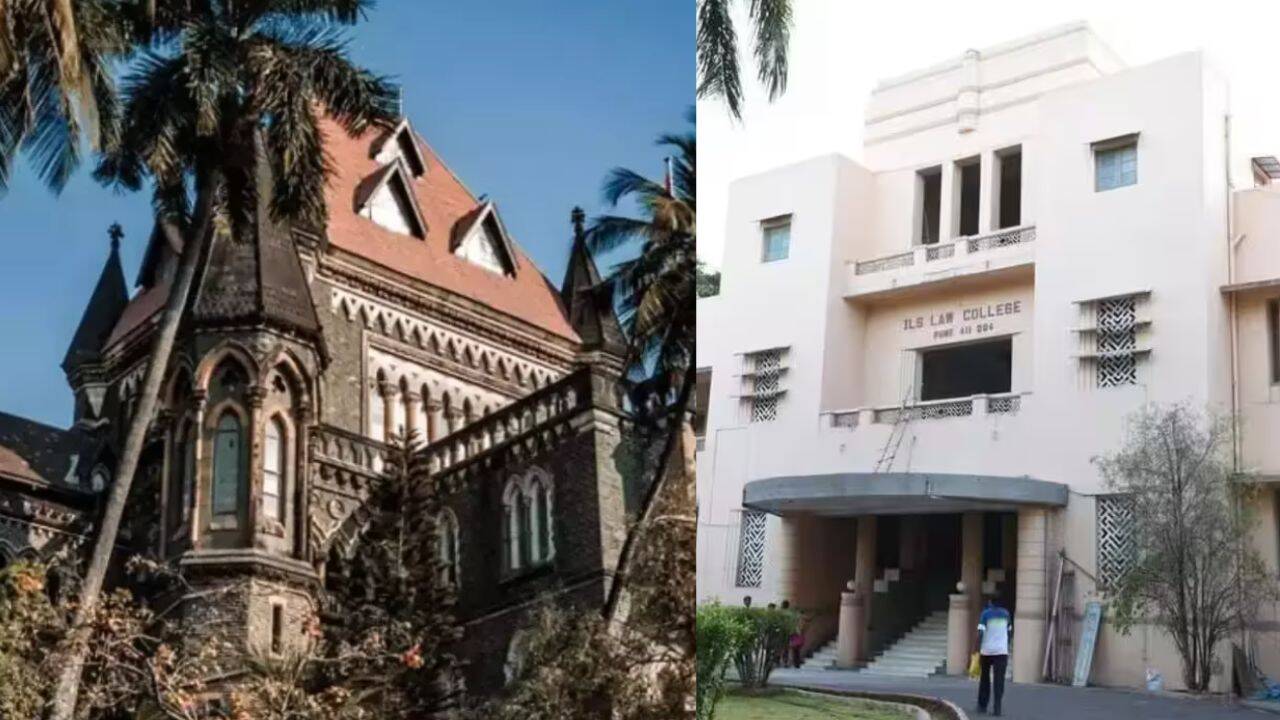
The Bombay High Court has granted a one-time exemption to students of ILS Law College, allowing them to appear for exams for the academic year 2025-26 despite having attendance shortfalls.
This decision was made in response to a petition filed by the students, who were barred from taking their exams due to not meeting the required attendance criteria. The court's ruling is based on a Supreme Court order that protects students who are similarly placed.
The Bombay High Court's order applies to all students who were prevented from taking their exams due to attendance issues. However, it is crucial to note that this decision does not set a precedent for future academic sessions and does not dilute the attendance rules.
The attendance rules are in place to ensure that students attend classes regularly and engage with the course material. The rules are designed to promote academic excellence and prepare students for their future careers.
In this case, the court has taken a sympathetic view of the students' situation and has granted them a one-time exemption. This exemption will allow the students to take their exams and continue with their academic pursuits.
The decision is a significant relief for the students, who would have otherwise been forced to repeat the academic year. The court's ruling demonstrates its commitment to protecting the interests of students and ensuring that they are not unfairly disadvantaged.
The ILS Law College is a prestigious institution in Mumbai, and the court's decision will have a positive impact on its students. The college has a strong reputation for academic excellence, and the court's ruling will help to maintain this reputation.
The Bombay High Court's decision is also consistent with the principles of natural justice, which require that students be treated fairly and without prejudice. The court's ruling is a testament to the importance of upholding these principles in the administration of justice.
In conclusion, the Bombay High Court's decision to allow ILS Law College students to take their exams despite attendance shortfalls is a significant development. The decision demonstrates the court's commitment to protecting the interests of students and upholding the principles of natural justice.
The ruling will have a positive impact on the students and the college, and it will help to maintain the college's reputation for academic excellence. The decision is also consistent with the Supreme Court's order protecting similarly placed students, and it does not dilute the attendance rules for future academic sessions.
The students who will benefit from this decision can now focus on their studies and prepare for their exams without the worry of being barred due to attendance issues. The court's ruling is a welcome relief for these students, and it will help them to achieve their academic goals.
The Bombay High Court's decision is a significant one, and it will have a lasting impact on the students and the college. The decision demonstrates the court's commitment to upholding the principles of natural justice and protecting the interests of students.
The court's ruling is a testament to the importance of fairness and justice in the administration of education. The decision will help to promote academic excellence and ensure that students are treated fairly and without prejudice.
In the end, the Bombay High Court's decision to allow ILS Law College students to take their exams despite attendance shortfalls is a positive development. The decision will have a lasting impact on the students and the college, and it will help to maintain the college's reputation for academic excellence.
Frequently asked questions
What is the Bombay High Court's decision on ILS Law College students' exam exemption?
The court has granted a one-time exemption to students, allowing them to appear for exams despite attendance shortfalls.
Does the court's decision apply to all academic sessions?
No, the decision only applies to the academic session 2025-26 and does not dilute attendance rules for other sessions.