Sharad Pawar Meets PM Modi Amid Delimitation Bill Debate
NCP chief's silence sparks rumors, daughter Supriya Sule hints at conditional support
'%3E%3Crect%20width%3D'96'%20height%3D'96'%20fill%3D'%231A5276'%2F%3E%3Ccircle%20cx%3D'30'%20cy%3D'24'%20r%3D'44'%20fill%3D'%23fff'%20opacity%3D'.12'%2F%3E%3Ccircle%20cx%3D'60'%20cy%3D'74'%20r%3D'40'%20fill%3D'%23000'%20opacity%3D'.10'%2F%3E%3C%2Fg%3E%3Cg%20fill%3D'%23fff'%3E%3Cpath%20d%3D'M31%2041%20L48%2031%20L65%2041%20Z'%2F%3E%3Crect%20x%3D'33'%20y%3D'43'%20width%3D'4'%20height%3D'17'%2F%3E%3Crect%20x%3D'41'%20y%3D'43'%20width%3D'4'%20height%3D'17'%2F%3E%3Crect%20x%3D'51'%20y%3D'43'%20width%3D'4'%20height%3D'17'%2F%3E%3Crect%20x%3D'59'%20y%3D'43'%20width%3D'4'%20height%3D'17'%2F%3E%3Crect%20x%3D'30'%20y%3D'62'%20width%3D'36'%20height%3D'4'%20rx%3D'1'%2F%3E%3C%2Fg%3E%3C%2Fsvg%3E)
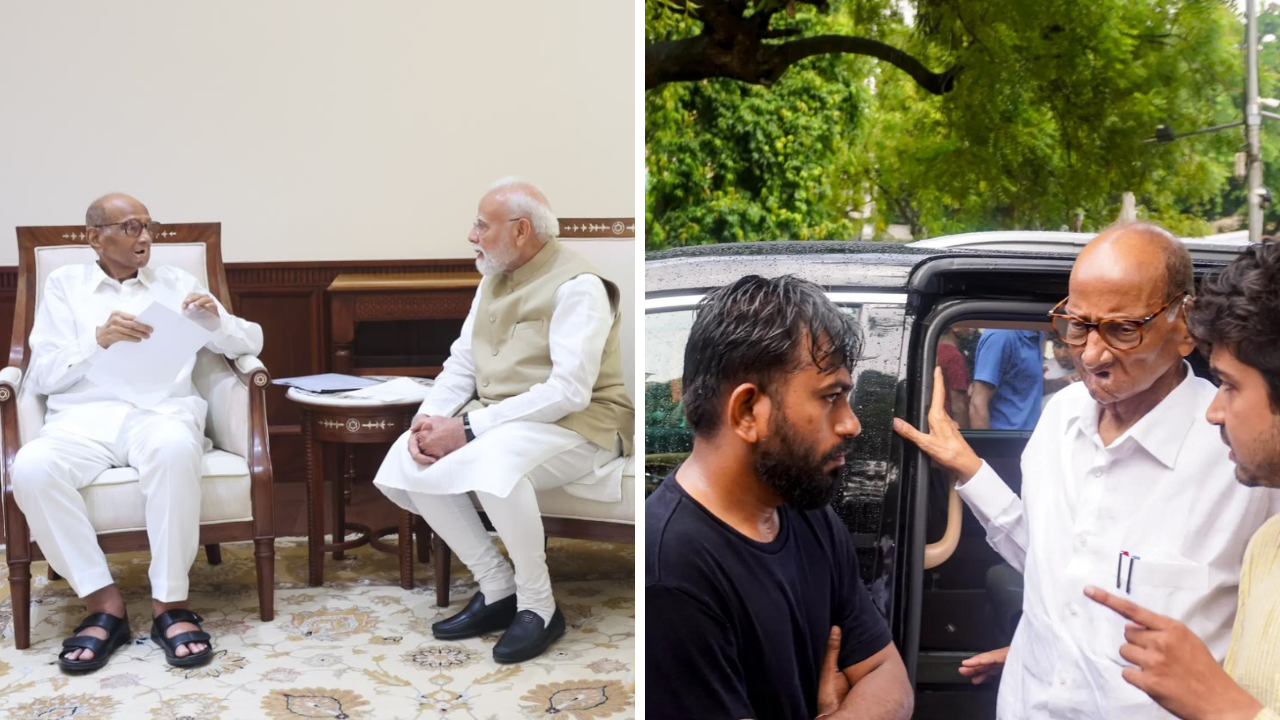
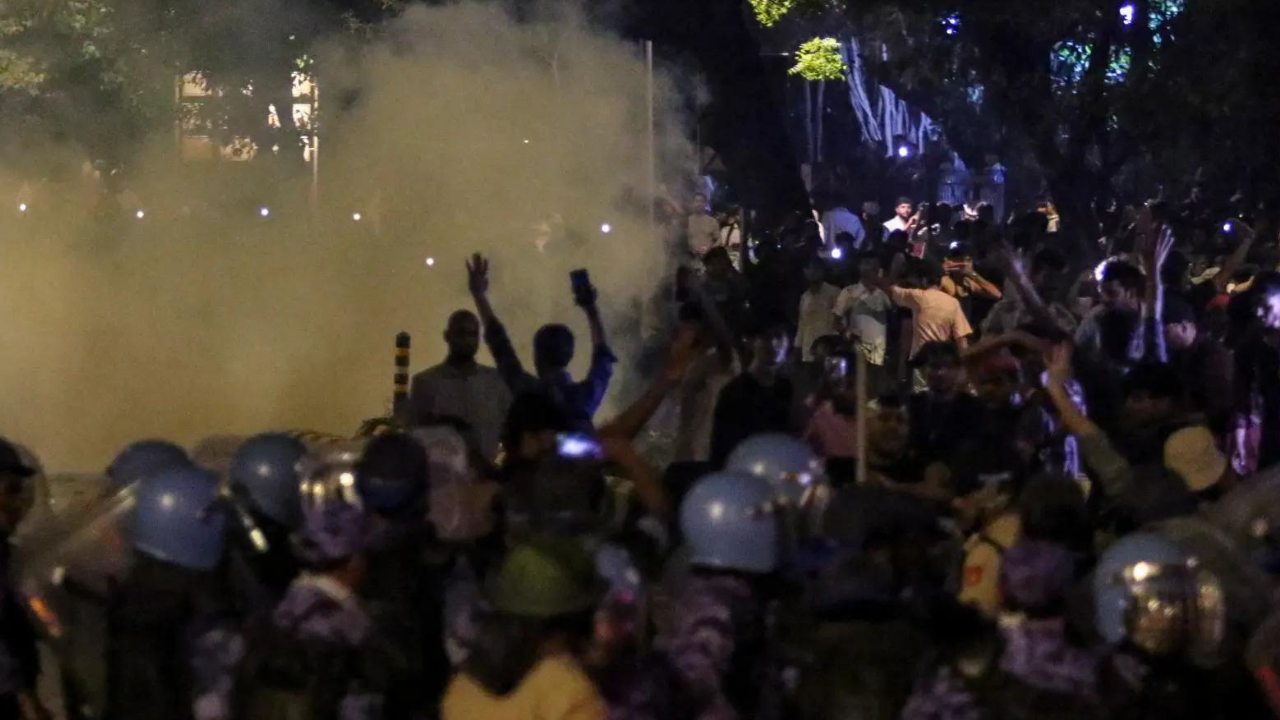
Sharad Pawar, the chief of the Nationalist Congress Party (NCP), has been maintaining a strategic silence on the Delimitation Bill, sparking rumors and speculation in the political arena. On Tuesday, Pawar joined the opposition in demonstrations against the bill, but the very next day, he met with Prime Minister Narendra Modi, leaving many to wonder about his party's stance.
Pawar's daughter, Supriya Sule, has been more forthcoming, expressing conditional support for the bill if it proposes an even increase in seats across all states. This statement reflects Pawar's long-standing approach of maintaining ambiguity, allowing his party to remain adaptable in the face of shifting political currents.
The Delimitation Bill has been a topic of heated debate, with many opposition parties opposing it. However, Pawar's silence has raised eyebrows, with some speculating that he may be keeping his options open. By not taking a firm stance, Pawar is able to navigate the complex web of alliances and rivalries, ensuring that his party remains a key player in the political landscape.
Pawar's meeting with Prime Minister Modi has also fueled speculation about a possible alliance or understanding between the NCP and the ruling Bharatiya Janata Party (BJP). While nothing has been confirmed, the fact that Pawar met with Modi just a day after joining the opposition in protests suggests that he may be exploring all avenues.
The NCP has a history of forming alliances with various parties, including the Congress and the BJP. Pawar's ability to maintain good relations with leaders across the political spectrum has been a key factor in his party's success. By keeping his options open, Pawar is able to negotiate from a position of strength, ensuring that his party's interests are protected.
In the context of Indian politics, Pawar's silence on the Delimitation Bill is significant. The bill has the potential to reshape the electoral landscape, and Pawar's stance could have a significant impact on the outcome. As the debate continues, all eyes will be on Pawar, waiting to see how he will navigate the complex political landscape.
The implications of Pawar's silence are far-reaching, with potential consequences for the upcoming elections. As the leader of a key opposition party, Pawar's stance on the Delimitation Bill could influence the decisions of other parties and leaders. By maintaining ambiguity, Pawar is able to keep his options open, ensuring that his party remains a major player in the political arena.
In conclusion, Sharad Pawar's silence on the Delimitation Bill has sparked rumors and speculation, with many wondering about his party's stance. By maintaining ambiguity, Pawar is able to navigate the complex web of alliances and rivalries, ensuring that his party remains adaptable and influential in the political landscape.
Frequently asked questions
What is the Delimitation Bill and why is it significant?
The Delimitation Bill is a proposed law that aims to redraw the electoral boundaries of India, potentially reshaping the electoral landscape. Its significance lies in its potential impact on the outcome of future elections.
Why has Sharad Pawar's silence on the Delimitation Bill sparked rumors and speculation?
Pawar's silence has sparked rumors and speculation because it is unusual for him to not take a firm stance on a significant issue. His meeting with PM Modi has also fueled speculation about a possible alliance or understanding between the NCP and the BJP.