Trump Imposes 0% Tariff on Generic Medicines for 2 Years
US President Donald Trump announces temporary tariff exemption. Tariff to increase later.
'%3E%3Crect%20width%3D'96'%20height%3D'96'%20fill%3D'%230B6E4F'%2F%3E%3Ccircle%20cx%3D'30'%20cy%3D'24'%20r%3D'44'%20fill%3D'%23fff'%20opacity%3D'.12'%2F%3E%3Ccircle%20cx%3D'60'%20cy%3D'74'%20r%3D'40'%20fill%3D'%23000'%20opacity%3D'.10'%2F%3E%3C%2Fg%3E%3Cg%20fill%3D'none'%20stroke%3D'%23fff'%20stroke-width%3D'3.2'%20stroke-linecap%3D'round'%20stroke-linejoin%3D'round'%3E%3Cpolyline%20points%3D'31%2C59%2041%2C49%2049%2C54%2063%2C37'%2F%3E%3Cpolyline%20points%3D'55%2C37%2063%2C37%2063%2C45'%2F%3E%3C%2Fg%3E%3C%2Fsvg%3E)
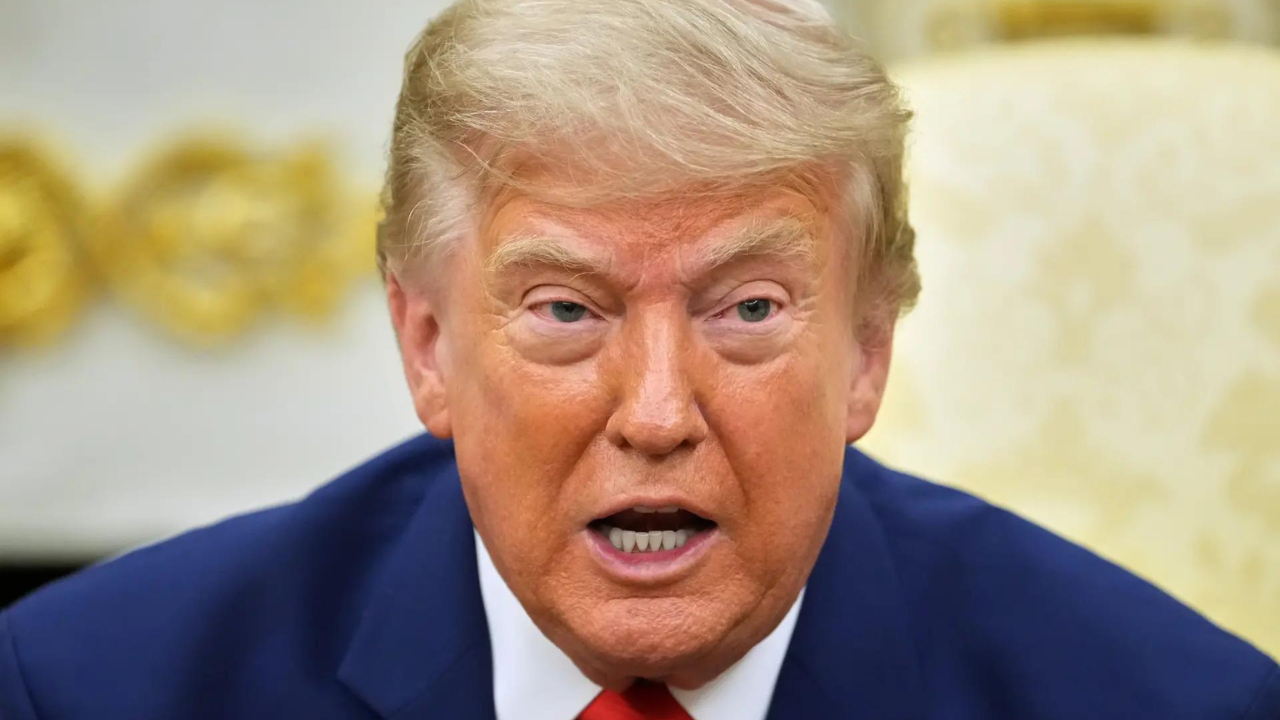
US President Donald Trump has announced a 0% tariff on generic medicines for a period of two years. This move is expected to reduce the cost of these medicines for American consumers. However, after the initial two-year period, the tariff on generic medicines will increase to 200%.
The decision to impose a temporary tariff exemption on generic medicines is seen as a measure to make healthcare more affordable in the United States. Generic medicines are cheaper alternatives to brand-name medicines and are widely used by patients. By reducing the tariff on these medicines, the Trump administration aims to increase their availability and affordability.
The US pharmaceutical industry has been facing challenges in recent years, including rising costs and competition from foreign manufacturers. The imposition of a 0% tariff on generic medicines is expected to provide some relief to domestic manufacturers. However, the subsequent increase in tariff to 200% after two years may have a negative impact on the industry.
The move has been welcomed by patient advocacy groups, who argue that it will improve access to affordable healthcare. However, some experts have raised concerns about the long-term implications of the decision, particularly the impact of the 200% tariff after the initial exemption period.
The US trade policy has been a subject of debate in recent years, with the Trump administration imposing tariffs on various goods, including pharmaceuticals. The decision to exempt generic medicines from tariffs for two years is seen as a departure from this policy.
The impact of the decision on the global pharmaceutical industry is still unclear. However, it is expected to have significant implications for manufacturers and consumers alike. As the US is a major market for pharmaceuticals, the decision to impose a 0% tariff on generic medicines may have a ripple effect on the global industry.
In the context of the US healthcare system, the decision to reduce tariffs on generic medicines is seen as a positive step. The US healthcare system is known for being one of the most expensive in the world, and the cost of medicines is a major contributor to this expense. By making generic medicines more affordable, the Trump administration aims to reduce the burden on patients and make healthcare more accessible.
The decision to increase the tariff to 200% after two years may have significant implications for the pharmaceutical industry. Manufacturers may need to reassess their pricing strategies and production costs to remain competitive. Additionally, the increase in tariff may lead to a rise in the cost of medicines, which could have a negative impact on patients.
Overall, the decision to impose a 0% tariff on generic medicines for two years is a complex issue with both positive and negative implications. While it may provide relief to patients and domestic manufacturers in the short term, the long-term effects of the decision are still unclear.
The move is part of the Trump administration's efforts to reform the US healthcare system and make it more affordable for Americans. The administration has been working to reduce the cost of healthcare, including the cost of medicines, and this decision is seen as a step in that direction.
In conclusion, the imposition of a 0% tariff on generic medicines for two years is a significant development in the US pharmaceutical industry. While it may have positive implications for patients and domestic manufacturers, the subsequent increase in tariff to 200% may have negative consequences. The impact of the decision will be closely watched by industry experts and patient advocacy groups alike.
The decision is also expected to have implications for India, which is a major exporter of generic medicines to the US. Indian pharmaceutical companies may need to reassess their export strategies and pricing in light of the new tariff regime.
The US pharmaceutical industry is a significant sector, with a large market size and a complex regulatory framework. The decision to impose a 0% tariff on generic medicines is expected to have a major impact on this industry, with both positive and negative consequences.
The Trump administration's decision to reduce tariffs on generic medicines is seen as a positive step towards making healthcare more affordable in the US. However, the long-term implications of the decision are still unclear, and the impact on the pharmaceutical industry and patients will be closely watched in the coming years.
The decision has been welcomed by some experts, who argue that it will improve access to affordable healthcare. However, others have raised concerns about the potential negative consequences of the decision, particularly the impact of the 200% tariff after the initial exemption period.
In the coming years, the impact of the decision will be closely monitored by industry experts, patient advocacy groups, and regulatory agencies. The decision is expected to have significant implications for the US pharmaceutical industry, as well as for patients and manufacturers alike.
The move is part of a broader effort by the Trump administration to reform the US healthcare system and make it more affordable for Americans. The administration has been working to reduce the cost of healthcare, including the cost of medicines, and this decision is seen as a step in that direction.
Overall, the decision to impose a 0% tariff on generic medicines for two years is a complex issue with both positive and negative implications. While it may provide relief to patients and domestic manufacturers in the short term, the long-term effects of the decision are still unclear.
The decision is expected to have significant implications for the global pharmaceutical industry, particularly for manufacturers and exporters of generic medicines. The impact of the decision will be closely watched by industry experts and regulatory agencies alike.
In conclusion, the imposition of a 0% tariff on generic medicines for two years is a significant development in the US pharmaceutical industry. While it may have positive implications for patients and domestic manufacturers, the subsequent increase in tariff to 200% may have negative consequences. The impact of the decision will be closely watched by industry experts and patient advocacy groups alike.
Frequently asked questions
What is the current tariff on generic medicines in the US?
The current tariff on generic medicines in the US is 0% for a period of two years, after which it will increase to 200%.
How will the tariff exemption affect the US pharmaceutical industry?
The tariff exemption is expected to provide relief to domestic manufacturers and make generic medicines more affordable for patients, but the subsequent increase in tariff to 200% may have negative consequences.