IAF Improvises in 1999 Kargil Conflict
IAF faces challenges, adapts tactics in Kargil war. Lessons learned still shape India's military.
'%3E%3Crect%20width%3D'96'%20height%3D'96'%20fill%3D'%23B3261E'%2F%3E%3Ccircle%20cx%3D'30'%20cy%3D'24'%20r%3D'44'%20fill%3D'%23fff'%20opacity%3D'.12'%2F%3E%3Ccircle%20cx%3D'60'%20cy%3D'74'%20r%3D'40'%20fill%3D'%23000'%20opacity%3D'.10'%2F%3E%3C%2Fg%3E%3Cg%20fill%3D'%23fff'%3E%3Crect%20x%3D'29'%20y%3D'49'%20width%3D'8'%20height%3D'19'%20rx%3D'1'%2F%3E%3Crect%20x%3D'39'%20y%3D'40'%20width%3D'9'%20height%3D'28'%20rx%3D'1'%2F%3E%3Crect%20x%3D'50'%20y%3D'45'%20width%3D'8'%20height%3D'23'%20rx%3D'1'%2F%3E%3Crect%20x%3D'60'%20y%3D'53'%20width%3D'7'%20height%3D'15'%20rx%3D'1'%2F%3E%3Crect%20x%3D'41'%20y%3D'34'%20width%3D'5'%20height%3D'6'%2F%3E%3C%2Fg%3E%3C%2Fsvg%3E)
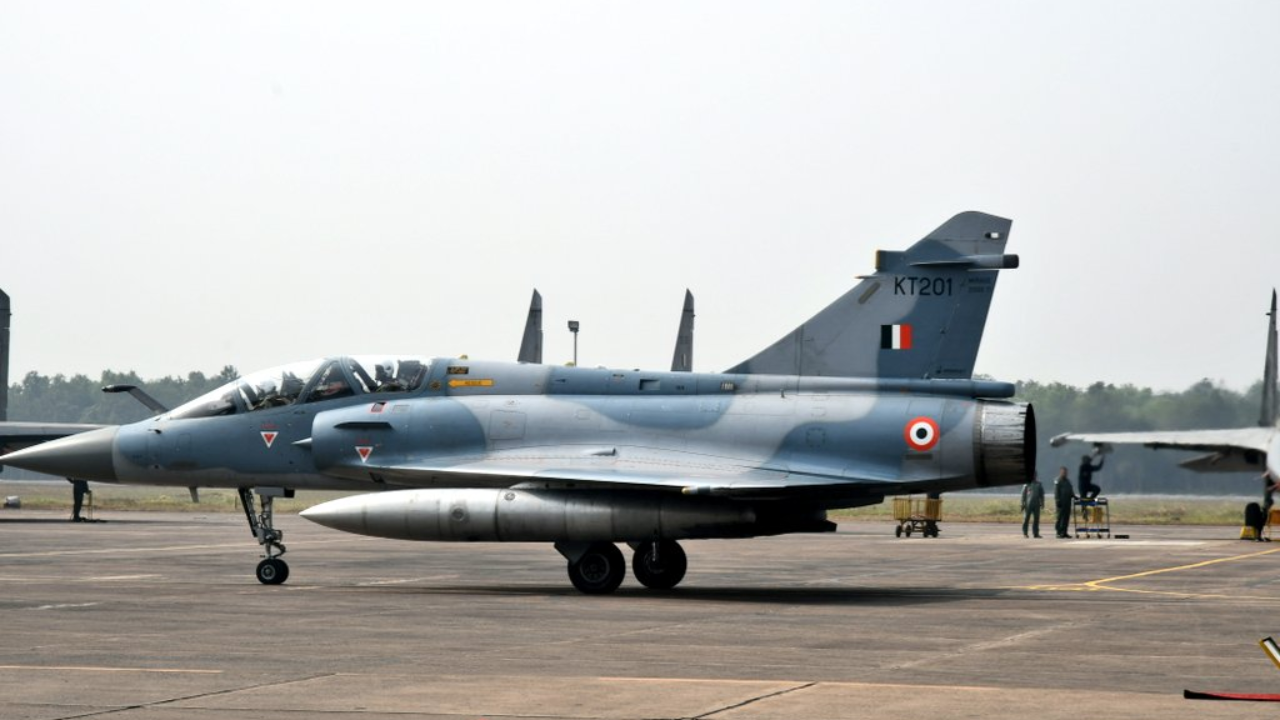
The Indian Air Force conducted a unique high-altitude air-to-ground campaign during the 1999 Kargil conflict.
The conflict posed unprecedented challenges for fighter pilots, who had to operate at altitudes of 14-18,000 feet.
Early losses in the conflict prompted the IAF to make significant tactical changes, including the accelerated integration of precision-guided munitions.
The use of precision-guided munitions greatly enhanced the effectiveness of the IAF's air campaign, allowing for more accurate and targeted strikes.
The Kargil conflict also highlighted India's need for indigenous navigation technology and satellite systems, as the country's military relied heavily on foreign systems during the war.
The lessons learned from the Kargil conflict continue to shape India's military innovation and preparedness, with a focus on developing indigenous technologies and improving the country's air power capabilities.
The conflict marked a significant turning point in the development of the IAF, as it prompted a major overhaul of the country's military strategy and tactics.
The IAF's experience in Kargil also underscored the importance of joint operations and coordination between different branches of the military.
Today, the lessons of Kargil continue to influence India's military planning and decision-making, with a focus on developing a more effective and self-reliant military.
The Kargil conflict was a significant test of India's military capabilities, and the country's response to the challenge has had a lasting impact on its military strategy and development.
Frequently asked questions
What was the significance of the Kargil conflict for the Indian Air Force?
The Kargil conflict marked a significant turning point in the development of the IAF, prompting a major overhaul of the country's military strategy and tactics.
What lessons did India learn from the Kargil conflict?
India learned the importance of developing indigenous navigation technology and satellite systems, as well as the need for joint operations and coordination between different branches of the military.