
Lonavala & Khandala: A Hill-Station Day Trip from Mumbai
Plan a Lonavala and Khandala day trip from Mumbai: Expressway and train routes, Bhushi Dam, Tiger's Point, Karla and Bhaja caves, chikki and monsoon safety.
'%3E%3Crect%20width%3D'96'%20height%3D'96'%20fill%3D'%23B3261E'%2F%3E%3Ccircle%20cx%3D'30'%20cy%3D'24'%20r%3D'44'%20fill%3D'%23fff'%20opacity%3D'.12'%2F%3E%3Ccircle%20cx%3D'60'%20cy%3D'74'%20r%3D'40'%20fill%3D'%23000'%20opacity%3D'.10'%2F%3E%3C%2Fg%3E%3Cg%20fill%3D'%23fff'%3E%3Crect%20x%3D'29'%20y%3D'49'%20width%3D'8'%20height%3D'19'%20rx%3D'1'%2F%3E%3Crect%20x%3D'39'%20y%3D'40'%20width%3D'9'%20height%3D'28'%20rx%3D'1'%2F%3E%3Crect%20x%3D'50'%20y%3D'45'%20width%3D'8'%20height%3D'23'%20rx%3D'1'%2F%3E%3Crect%20x%3D'60'%20y%3D'53'%20width%3D'7'%20height%3D'15'%20rx%3D'1'%2F%3E%3Crect%20x%3D'41'%20y%3D'34'%20width%3D'5'%20height%3D'6'%2F%3E%3C%2Fg%3E%3C%2Fsvg%3E)
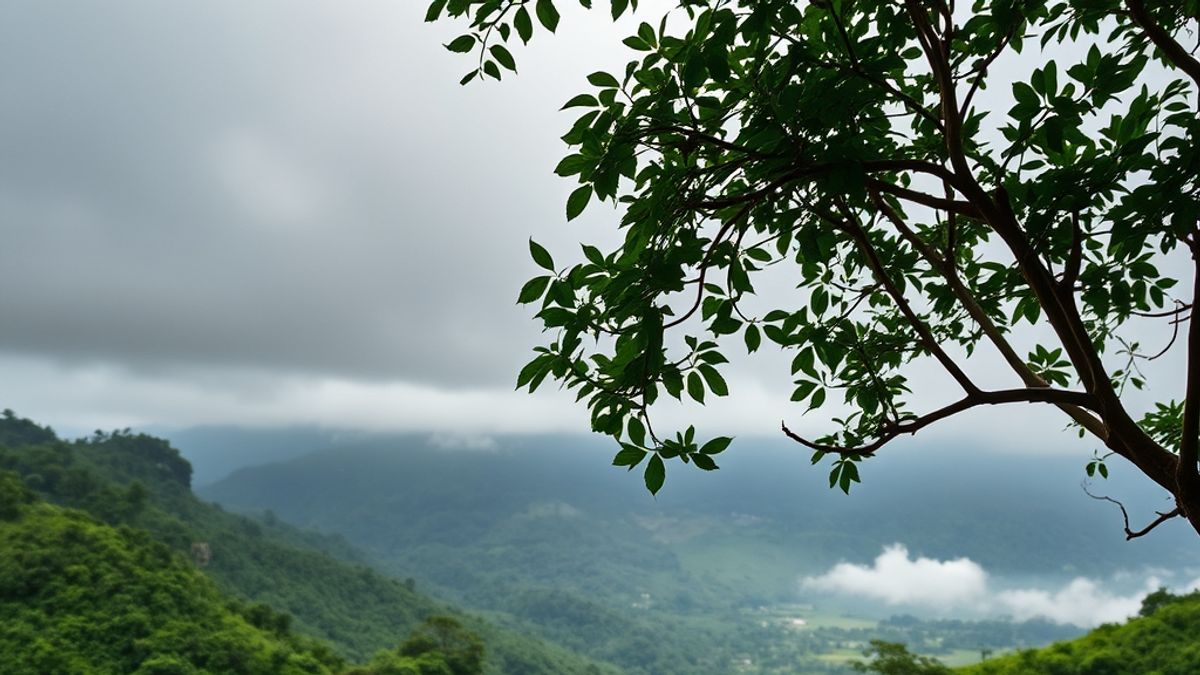
Photo: Kothariutkarsh88 · CC BY-SA 3.0 · via Wikimedia Commons
When Mumbai needs to escape the heat or the concrete, it heads for the twin hill stations of Lonavala and Khandala, perched in the Sahyadri mountains on the road to Pune. Green valleys, cliff-edge viewpoints, two-thousand-year-old caves and a town that runs on nut-brittle — they make the classic Mumbai day trip, and they are at their most beautiful in the monsoon, with some very real safety caveats. Here is how to do it well.
Lonavala day trip at a glance
| Destination | Distance from Mumbai | Drive/Train time | Best season | Highlight |
|---|---|---|---|---|
| Lonavala town | ~96 km | 2.5–3 hrs (Expressway) / ~3 hrs (train) | June–Sept (green), Oct–Feb (clear) | Bhushi Dam, chikki, Tiger’s Point |
| Khandala | ~90 km | 2.5 hrs (Expressway) | Monsoon for mist | Duke’s Nose, Amrutanjan Point |
| Karla & Bhaja Caves | ~106 km | ~3 hrs + short climb | Oct–Feb (dry steps) | Ancient Buddhist rock-cut halls |
| Lohagad & Visapur | ~110 km | ~3 hrs + trek | Monsoon & winter | Fort walks off Malavli station |
Getting there: Expressway or the Pune local
- By road: roughly 90–100 km from Mumbai, about 2.5 to 3 hours via the Mumbai–Pune Expressway (NH48). The old highway (NH4) is slower but prettier, threading Khopoli and the ghat past the Amrutanjan viewpoint.
- By train: frequent Pune-bound services from Chhatrapati Shivaji Maharaj Terminus and Dadar stop at Lonavala station in around three hours. Arriving car-free is the relaxing option — autos and shared taxis wait outside for the viewpoints.
- Best as: a full day trip, or an easy overnight if you want to add Pawna Lake camping or an unhurried fort trek.
Start before 6.30am on a weekend. The Expressway clogs by mid-morning at the Khalapur toll and the ghat section, and the difference between a dawn departure and an 8am one can be a full extra hour each way.
What to see and do in Lonavala
Bhushi Dam — the monsoon magnet
A few kilometres from Lonavala station, Bhushi Dam is the town’s most famous rainy-season spot, where water tumbles down a broad flight of steps and crowds wade in. It is spectacular and enormously popular in the rains — and the single most tightly restricted place on this whole trip. Treat the safety section below as mandatory reading before you go anywhere near it.
Tiger’s Point, Lion’s Point and Rajmachi Point
The plateau above Lonavala is ringed with cliff-edge viewpoints, and they are the real reason to come. Tiger’s Point (Tiger’s Leap) drops sheer into the Sahyadri valley and is breathtaking when mist boils up over the edge. Lion’s Point, further along the Aamby Valley road, is the sunset favourite — arrive early because the parking fills. Rajmachi Point looks across to Rajmachi Fort and the deep gorge below. All three are within a short auto ride of town; a driver will happily string them together for a half-day loop.
Karla and Bhaja Caves
Near Lonavala lie the Karla and Bhaja Caves, rock-cut Buddhist monasteries carved over two thousand years ago. Karla holds one of India’s grandest surviving chaitya prayer halls, with a soaring vaulted roof and a monolithic pillar out front; Bhaja, about 15 km away, is quieter, with a row of stupas and a waterfall beside it in the rains. A small entry fee applies and there is a stair climb to reach Karla. These are a wonderful cultural counterpoint to all the scenery, and most day-trippers skip them, which is exactly why they are worth your time.
Lonavala Lake, Ryewood Park and the town itself
For gentler stops, Lonavala Lake is a calm morning wander, prettiest just after the rains fill it. Ryewood Park, a shaded old botanical garden with a small temple, suits families with young children. The bazaar around the station is the chikki-and-fudge heartland — more on that below.
What to see in Khandala
Khandala sits barely 5 km up the ghat and shares the same weather and the same mist. Duke’s Nose (Nagphani) is its signature — a thumb of rock jutting over the valley, named for its resemblance to a certain profile, and a favourite of trekkers and paragliders. Amrutanjan Point, on the old highway, gives a wide sweep back down toward Khopoli and is where generations of Mumbaikars have stopped for the first cup of chai on the climb. Kune Falls, one of Maharashtra’s higher waterfalls, thunders through the monsoon and is best admired from the designated viewpoint rather than up close.
Beyond the viewpoints: adventure parks and lakes
Lonavala is not only mist and caves. Families and thrill-seekers have plenty to fill a day:
- Della Adventure Park — one of India’s biggest adventure hubs, with zip-lines, ATVs, a swing, rappelling and more. Book activities ahead in peak season.
- Celebrity Wax Museum & Sunny’s World — quirky, kid-friendly indoor stops that suit a rainy afternoon when the viewpoints are fogged out.
- Pawna Lake — a short drive from Lonavala, the go-to for lakeside tent camping and sunset views; most people do it as an overnight rather than a day dash.
- Lohagad and Visapur forts — easy-to-moderate trek forts off Malavli station, glorious and green in the monsoon (see our treks guide).
- Imagica — the big theme park is at Khopoli, on the Mumbai side of the ghat, easy to fold into the drive if the children outvote the caves.
Where and what to eat
Lonavala food is unfussy and satisfying. On the way up and in town, look for hot vada pav, spicy misal pav, roadside bhutta (charred corn) that tastes twice as good in the rain, and simple Maharashtrian thalis with pithla-bhakri. The dhabas along the old highway and the Expressway food courts handle a quick meal; in town, the small eateries around the market do the job. Save real appetite, though, for the chikki.
Chikki, fudge and what to carry home
Lonavala is synonymous with chikki — the jaggery-and-nut brittle sold in shops all over town — along with fudge, chocolate walnut brittle and other sweets. Established names such as Maganlal Chikki and Cooper’s are the ones locals point you to, and the shops let you taste before you buy. Pick up a few boxes; arriving home from Lonavala without chikki is practically a social failing. Prices are modest — a mixed box runs a few hundred rupees — and the fresh, still-slightly-warm batches are noticeably better than anything you find back in the city.
When to visit: season by season
- Monsoon (June–September): the headline season — waterfalls everywhere, valleys drowned in cloud, everything electric green. Also the most crowded and the most restricted; read the safety section below before you go.
- Winter (October–February): clear, cool and comfortable, with long views from the viewpoints and dry footing for the caves and forts. The best all-rounder for a relaxed day.
- Summer (March–May): hotter and hazier, but still a good few degrees cooler than the city, and the quietest time at the viewpoints. Carry sun protection and plenty of water.
Essential monsoon safety
The monsoon is when Lonavala is greenest and busiest — and most dangerous. This is not optional caution:
- After fatal waterfall incidents, authorities now regularly impose temporary bans and restrictions at Bhushi Dam, waterfalls, Tiger’s Point and the hill forts during heavy-rain spells, and prohibit risky selfies and reels at hazardous spots. Rules are imposed and lifted through the season depending on rainfall. Check the current status before you travel.
- Never enter or stand near fast-moving water. Flash floods and slippery rocks kill people here every monsoon, often when rain they cannot see is falling upstream.
- Expressway and ghat conditions deteriorate in very heavy rain, with landslip risk on the ghat cuttings. Drive slowly, keep your distance and allow extra time.
- Footing is treacherous. The laterite rock and the dam steps turn glassy underfoot — grippy shoes are the difference between a good day and a hospital visit.
How to plan the perfect day
What is the ideal Lonavala day-trip itinerary?
Leave Mumbai by 6.30am and reach Lonavala around 9.30am. Do the viewpoints first while the light is soft and the crowds thin — Tiger’s Point, then Rajmachi or Lion’s Point. Mid-morning, drop to Bhushi Dam (respecting any restriction) or divert to the Karla and Bhaja caves for a cultural change of pace. Break for a Maharashtrian lunch — vada pav, misal and pithla-bhakri are the local plates — then browse the chikki shops in the afternoon before beating the return traffic home by early evening.
Weekday versus weekend
Go on a weekday if you possibly can. Weekends and the monsoon peak bring Pune and Mumbai crowds together on the same narrow ghat roads, and the viewpoints and Bhushi Dam get genuinely packed. Midweek you get the mist almost to yourself.
Insider tips
- Start early to beat the Expressway traffic out of Mumbai and make a full day of it.
- Hire an auto or taxi for the viewpoint loop rather than driving yourself — the roads to Lion’s Point and Tiger’s Point are narrow and parking is scarce.
- Wear sturdy, grippy footwear. Every viewpoint and every dam step is slippery, especially in the rains.
- Carry rain gear in season and sun protection out of season, plus water, snacks and some cash for the smaller shops and entry fees.
- Respect the restrictions. If a spot is closed or a ban is in place, do not try to work around it; the rules exist because people have died.
- Combine scenery with the caves. The Buddhist caves at Karla and Bhaja are often overlooked and add real depth to a day that could otherwise be all viewpoints and brittle.
- Fuel and cash up before the ghat. ATMs and clean fuel stops are easier on the Mumbai side than in the hill town at peak season.
The bottom line
Lonavala and Khandala are the Sahyadris made easy — a couple of hours from Mumbai for misty viewpoints, cascading water, ancient Buddhist caves and all the chikki you can carry. The monsoon is the magic season, but it comes with genuine danger: check the current restrictions, keep well clear of fast water, and treat the hills with respect. Start early, go midweek, string the viewpoints together with a driver, and you have one of the best day trips the region offers.
Frequently Asked Questions
How far is Lonavala from Mumbai and how long does it take?
Lonavala is roughly 90–100 km from Mumbai, about 2.5 to 3 hours by road on the Mumbai–Pune Expressway. Frequent Pune-bound locals and expresses from CSMT and Dadar also stop at Lonavala station in around three hours.
Is Lonavala worth visiting in the monsoon?
Yes — the monsoon is when Lonavala is greenest, with waterfalls and mist at every viewpoint. But it is also the most dangerous season: authorities impose bans at Bhushi Dam and waterfalls after fatal incidents, so check current restrictions and never enter fast-moving water.
Can you do Lonavala and Khandala as a single day trip?
Comfortably. The two towns sit barely 5 km apart on the same ghat, so a dawn start gets you a full day of viewpoints, the Karla and Bhaja caves and chikki shopping before an evening return to Mumbai.
What is Lonavala famous for buying?
Chikki — the jaggery-and-nut brittle sold in shops all over town — along with fudge and other sweets. Established names like Maganlal and Cooper's are the ones most visitors carry home by the boxful.
What are the best viewpoints in Lonavala and Khandala?
Tiger's Point (Tiger's Leap), Lion's Point and Rajmachi Point above Lonavala, and Duke's Nose and Amrutanjan Point on the Khandala side. All are at their most dramatic when monsoon cloud rolls through the valley.