
Top Luxury Hotels in Mumbai
Mumbai's finest luxury hotels by neighbourhood: the Taj and Oberoi in South Mumbai, BKC business towers, beachfront Juhu and airport stays, with tariff bands.
'%3E%3Crect%20width%3D'96'%20height%3D'96'%20fill%3D'%23E65100'%2F%3E%3Ccircle%20cx%3D'30'%20cy%3D'24'%20r%3D'44'%20fill%3D'%23fff'%20opacity%3D'.12'%2F%3E%3Ccircle%20cx%3D'60'%20cy%3D'74'%20r%3D'40'%20fill%3D'%23000'%20opacity%3D'.10'%2F%3E%3C%2Fg%3E%3Cg%3E%3Ccircle%20cx%3D'48'%20cy%3D'48'%20r%3D'15'%20fill%3D'none'%20stroke%3D'%23fff'%20stroke-width%3D'3'%2F%3E%3Cpath%20fill%3D'%23fff'%20d%3D'M48%2037%20l3.5%2011%20-3.5%2011%20-3.5%20-11%20z'%2F%3E%3Ccircle%20cx%3D'48'%20cy%3D'48'%20r%3D'2.2'%20fill%3D'%23fff'%2F%3E%3C%2Fg%3E%3C%2Fsvg%3E)
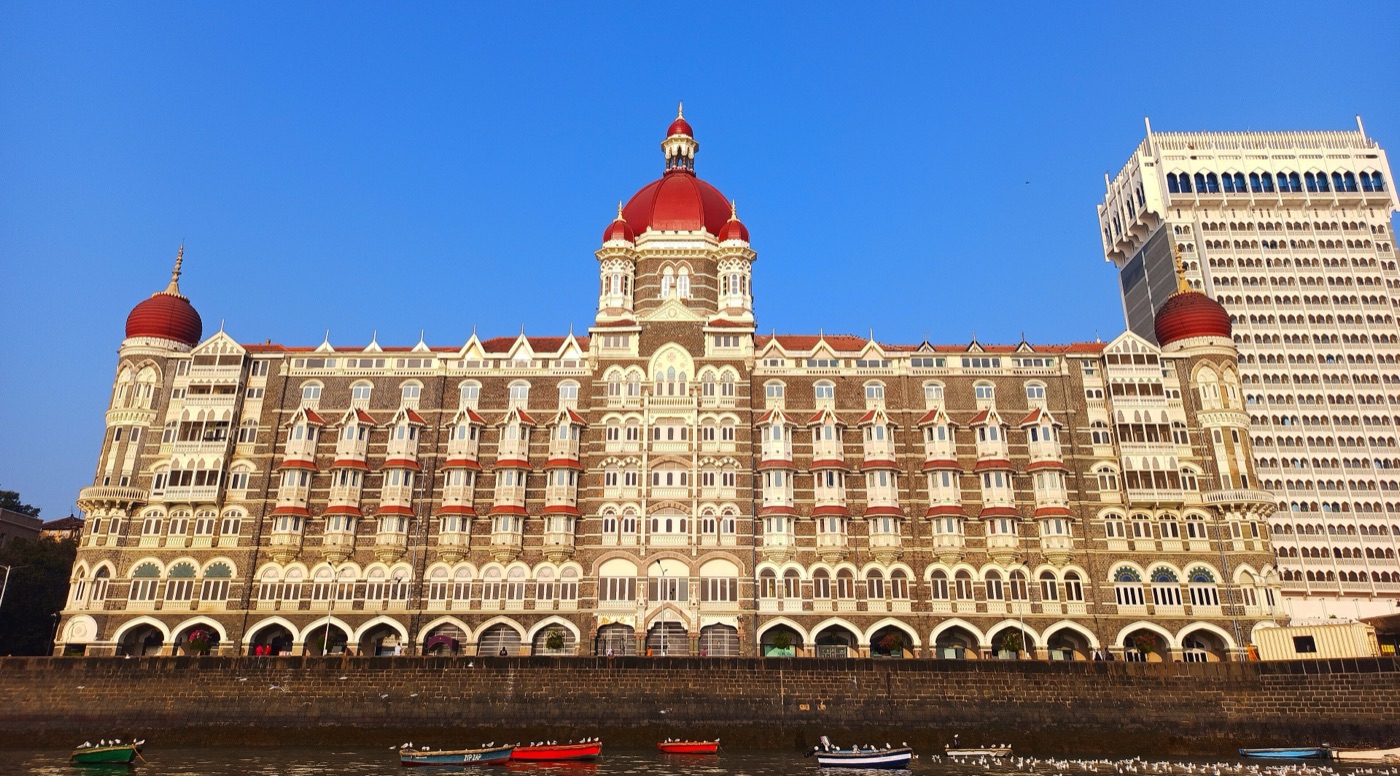
Mumbai’s five-star hotels are not merely places to sleep — they are vantage points. From a sea-facing suite in Colaba you watch the Arabian Sea shift colour through the day; from a BKC tower you look down on the engine room of India’s economy; from Juhu you fall asleep to the surf. In this city the address decides the experience, so this guide sorts the finest stays by neighbourhood — what each feels like, its standout features, roughly what it costs, and exactly who it suits.
Star ratings barely separate these hotels; they are all superb. The real choice is which Mumbai you want to wake up in — harbour heritage, corporate power, beach holiday, or the practical airport belt. Get the neighbourhood right and the perfect hotel almost picks itself.
Mumbai luxury hotels at a glance
| Hotel | Area | Best for | Approx tariff (₹/night) | Nearest station / hub |
|---|---|---|---|---|
| Taj Mahal Palace | Colaba | Heritage, occasions | 22,000–45,000+ | CSMT / Churchgate |
| The Oberoi | Nariman Point | Understated luxury | 25,000–50,000+ | Churchgate |
| Trident Nariman Point | Nariman Point | Business, value view | 14,000–28,000 | Churchgate |
| InterContinental | Marine Drive | Romantic, rooftop | 15,000–30,000 | Churchgate |
| Sofitel / St. Regis | BKC / Lower Parel | Corporate stays | 16,000–35,000 | Bandra / Lower Parel |
| Grand Hyatt | Santacruz | Dining, big groups | 12,000–26,000 | Santacruz / Vidyavihar |
| JW Marriott | Juhu | Beach, weddings | 18,000–38,000 | Vile Parle / Andheri |
| The Leela | Andheri (airport) | Transit, layovers | 15,000–32,000 | Sahar / T2 |
Tariffs swing hard with season and events, so treat these as bands, not quotes. Always ask whether taxes and breakfast are bundled, and whether your room is genuinely sea-facing — the price gap between a sea view and a city view is large.
South Mumbai: heritage, harbour and old-money glamour
If it is your first trip or a special occasion, stay south. This is the Mumbai of the postcards — the Gateway of India, colonial-era stone facades, the curving sweep of Marine Drive, and restaurants that have shaped the city’s food scene for decades. Everything worth seeing on foot is here.
Why choose the Taj Mahal Palace?
No hotel is more synonymous with Mumbai. Standing beside the Gateway of India since 1903, the Taj is a living museum of the city: the domed Palace wing drips with history, while the adjacent Tower wing offers contemporary sea-view rooms. Even non-guests should walk through the lobby to feel the weight of it.
- Vibe: Grand and ceremonial, yet never stiff.
- Standout features: The heritage staircase, the Harbour Bar (the city’s oldest licensed bar), and high tea at the Sea Lounge, a ritual for generations of first dates and family celebrations.
- What to book: A window seat at the Sea Lounge facing the Gateway; reserve ahead.
- Best time: November to February, when the harbour sparkles and the weather is kind.
The Oberoi and Trident, Nariman Point
These two share an address at the tip of Marine Drive but pitch themselves differently. The Oberoi is the hushed, minimalist choice with famously precise service. The Trident next door is livelier, friendlier on the wallet, and popular with business travellers. Both look straight out over the “Queen’s Necklace” — the arc of Marine Drive’s lights at night is one of the great urban views in India.
- Practical tip: Ask specifically for a sea-facing room. The city-facing side is a cheaper and completely different experience.
- Worth a dinner: Ziya, the Oberoi’s Michelin-pedigree Indian restaurant.
InterContinental Marine Drive
Smaller and more boutique than its grand neighbours, its trump card is the rooftop. Dome, the open-air lounge, hands you the full Marine Drive sweep with a drink in hand — a lovely, less formal alternative to the palace-scale hotels, and one of the most romantic sundowner spots in the old town.
Getting to South Mumbai: From the airport, budget 60–90 minutes by cab in traffic, and more in the monsoon. Once you are there it is the most walkable part of the city, with Colaba Causeway, Kala Ghoda’s galleries and the museums all on foot.
Bandra Kurla Complex and Lower Parel: the power address
BKC is Mumbai’s purpose-built financial district. If you are here for meetings, conferences or anything involving the city’s banks, consulates and multinationals, this is where you save yourself hours of soul-destroying commute.
Which hotel for a business trip?
The Sofitel Mumbai BKC brings French-accented luxury to the heart of the complex, with Artisan for reliable business lunches. The St. Regis (technically in Lower Parel, a short hop away) offers signature butler service and connects directly to Palladium mall for effortless shopping. Both are sleek, corporate-polished and high-energy.
- Rough tariff band: Roughly ₹16,000–35,000, spiking during major conferences.
- Smart move: Weekend rates in BKC often drop sharply when the corporate crowd clears out — luxury on a leaner budget.
Trident BKC and Grand Hyatt
The Trident BKC is the district’s dependable, well-located workhorse. Slightly further out near Santacruz, the Grand Hyatt is a sprawling property with one of the best hotel dining precincts in the city — China House and the Sunday brunch draw locals, not just guests, which is always a good sign.
Getting to BKC: Roughly 30–45 minutes from the airport, far better placed than South Mumbai for the corporate traveller, and the Metro has made moving around this belt much easier.
Juhu: the beach, the film crowd, laid-back luxury
Juhu is where Mumbai exhales. This is Bollywood’s home turf, and the mood is relaxed, salty-aired and unhurried. Stay here for a holiday feel rather than a city grind — provided you don’t mind being far from the southern sights.
JW Marriott Juhu
The grande dame of the beach strip, right on Juhu Beach. Big, glamorous and endlessly popular for weddings and weekend escapes, with lagoon-style pools, Dashanzi for pan-Asian dining, and Saturday nights that hum with the city’s social set.
- Rough tariff band: ₹18,000–38,000, higher in wedding season.
Sun-n-Sand and Novotel Juhu
Long-standing beachfront names offering more moderate luxury. The Sun-n-Sand is an old Juhu classic; the Novotel is a solid, family-friendly pick with a genuinely lovely sea-facing pool. Best for travellers who prioritise a beach view over marble-lobby grandeur, at roughly ₹9,000–20,000.
Getting to Juhu: About 30–40 minutes from the airport. The catch is the long, unpredictable drive to South Mumbai if you plan to sightsee downtown. Do walk Juhu Beach at sunset and graze the street food — pav bhaji, bhelpuri and dosas at the busy, high-turnover stalls near the sand.
Near the airport: for the transit traveller
For an early flight, a red-eye arrival or a genuinely short stay, staying near Chhatrapati Shivaji Maharaj International Airport (Andheri/Sahar) saves you Mumbai traffic at exactly the wrong hour.
The Leela Mumbai is the standout — a lush, garden-wrapped property that feels like an oasis minutes from the terminals, with strong dining and a serene spa. The Hilton and other airport-belt hotels sit a little lower on price. Many offer day-use rooms and complimentary shuttles, ideal for a long layover.
- Rough tariff band: The Leela runs ₹15,000–32,000; airport peers a notch below.
Standout hotel dining and bars
You don’t need a room key to taste these hotels. Several of their restaurants and bars are destinations in their own right, and dropping in is the cheapest way to sample the address.
- Harbour Bar and Sea Lounge, Taj Colaba — India’s oldest licensed bar and a legendary high tea, both with the Gateway framed in the window.
- Ziya, The Oberoi — Michelin-pedigree modern Indian with the Marine Drive arc below.
- Dome, InterContinental — the open-air Marine Drive rooftop for a sunset drink.
- China House, Grand Hyatt — one of the city’s better hotel Chinese kitchens, with a Sunday brunch locals book weeks ahead.
- Aer, Four Seasons (Worli) — technically a hotel rooftop lounge, and one of Mumbai’s great sundowner views.
What does your money actually buy?
At the top end the tariff difference is rarely about the bed — it is about the view, the wing and the service ratio. A few things worth knowing before you commit:
- Sea-facing is a real premium in South Mumbai and Juhu, and usually worth it. Confirm it in writing; “sea view” and “partial sea view” are different rooms at different prices.
- Club or executive floors add a lounge with breakfast, evening canapés and often free-flowing drinks — frequently cheaper than paying à la carte for the same.
- Direct-booking leverage. Booking with the hotel rather than an aggregator is where late checkout, an upgrade or breakfast tends to appear; ask politely at check-in, especially on a quiet weekday.
How to choose, at a glance
- First-timer or special occasion: South Mumbai (Taj, Oberoi) for unbeatable views and history.
- Business and meetings: BKC or Lower Parel (Sofitel, St. Regis) to kill the commute.
- Holiday and beach: Juhu (JW Marriott).
- Short stay or early flight: The airport belt (The Leela).
When to book, and how to get the best rate
Rates swing hugely with season and events. October to February is peak — the best weather, the highest prices — while the monsoon months of June to September bring dramatic sea views and some of the year’s best deals, if you can live with the rain. Wedding season (roughly winter) pushes Juhu and banquet-heavy hotels up sharply.
Always confirm three things before you pay: whether the tariff includes taxes and breakfast, whether the room is genuinely sea-facing, and what the cancellation window is. Booking directly with the hotel often unlocks late checkout or a room upgrade that aggregator sites won’t.
Insider tips
- Sea view is worth the premium in South Mumbai and Juhu, not so much in BKC — the corporate towers look at other towers, so save your money there.
- Use afternoon tea or a rooftop bar as a cheap way in. You get the Taj or Marine Drive experience for the price of a pot of tea or one cocktail, without booking a room.
- Match the hotel to your commute, not just your taste. A Juhu resort is heaven until you have a 9 am meeting in Nariman Point in monsoon traffic.
- Weekend versus weekday matters. Business hotels drop on weekends; leisure and beach hotels climb. Time your stay to the hotel’s off-cycle.
Pick the neighbourhood first — harbour heritage, corporate BKC, beachside Juhu, or the practical airport belt — book direct, aim for that sea-facing room, and you will have not just a comfortable stay but a front-row seat to the many moods of this restless, magnificent city.
Frequently Asked Questions
Which is the best luxury hotel in Mumbai?
The Taj Mahal Palace in Colaba is the most iconic, with harbour views and a lobby thick with history. For quieter, understated luxury, the Oberoi at Nariman Point is the connoisseur's pick.
How much does a 5-star hotel in Mumbai cost per night?
Expect roughly 12,000 to 50,000 rupees a night for a genuine five-star, depending on hotel, view and season. Sea-facing rooms and suites at the Taj or Oberoi climb well beyond that.
Which area should I stay in Mumbai on a first visit?
Stay in South Mumbai (Colaba or Marine Drive). It puts the Gateway of India, museums, Colaba Causeway and the best heritage dining within walking distance, and the sea views are unmatched.
When is the cheapest time to book a Mumbai luxury hotel?
The monsoon months of June to September bring the lowest rates and dramatic sea views, if you don't mind rain. October to February is peak season with the best weather and the highest prices.
Which luxury hotels are closest to Mumbai airport?
The Leela near Sahar is the standout for airport stays, along with the Hilton Mumbai International Airport and JW Marriott Sahar. Most sit 10 to 20 minutes from the terminals and offer shuttles.