
Maharashtrian Food in Mumbai: A Local's Guide
Where to eat authentic Maharashtrian food in Mumbai: award-winning misal pav in Dadar, Kolhapuri mutton, Malvani fish thali, thalipeeth, sol kadhi and more.
'%3E%3Crect%20width%3D'96'%20height%3D'96'%20fill%3D'%23E65100'%2F%3E%3Ccircle%20cx%3D'30'%20cy%3D'24'%20r%3D'44'%20fill%3D'%23fff'%20opacity%3D'.12'%2F%3E%3Ccircle%20cx%3D'60'%20cy%3D'74'%20r%3D'40'%20fill%3D'%23000'%20opacity%3D'.10'%2F%3E%3C%2Fg%3E%3Cg%3E%3Ccircle%20cx%3D'48'%20cy%3D'48'%20r%3D'15'%20fill%3D'none'%20stroke%3D'%23fff'%20stroke-width%3D'3'%2F%3E%3Cpath%20fill%3D'%23fff'%20d%3D'M48%2037%20l3.5%2011%20-3.5%2011%20-3.5%20-11%20z'%2F%3E%3Ccircle%20cx%3D'48'%20cy%3D'48'%20r%3D'2.2'%20fill%3D'%23fff'%2F%3E%3C%2Fg%3E%3C%2Fsvg%3E)
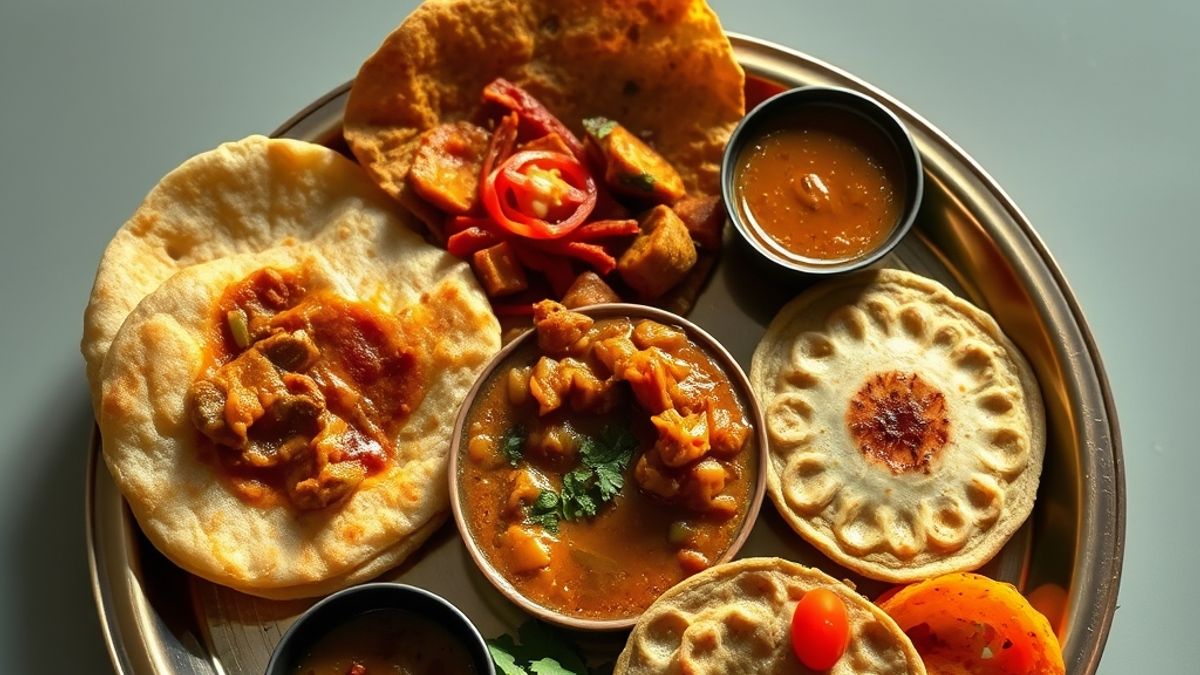
Mumbai sits on Maharashtra, yet the food of the land itself is oddly the hardest to find done well — buried under Punjabi butter gravies and imported pizza. Look past the glossy restaurants and you find it: a fiery misal eaten standing up in Dadar, a plate of Kolhapuri mutton that makes your scalp sweat, a Malvani fish thali with sol kadhi sweating in a steel tumbler. This is the most genuinely local eating in the city, and this guide walks you through it dish by dish, address by address.
Quick reference: what to eat and where
| Dish | Best area | Approx cost (₹) | Best time | Nearest station |
|---|---|---|---|---|
| Misal pav | Dadar West | 150–350/head | Breakfast–noon | Dadar (WR/CR) |
| Thalipeeth & sabudana wada | Dadar / Girgaon | 100–250/head | Morning | Dadar / Charni Road |
| Kolhapuri mutton thali | Vile Parle | 500–900 for two | Lunch/dinner | Vile Parle (WR) |
| Malvani fish thali | Bandra East / Fort | 400–800 for two | Lunch | Bandra / CSMT |
| Upmarket coastal seafood | Vile Parle | 1,500–2,500 for two | Dinner | Vile Parle (WR) |
| Vada pav & sol kadhi | Citywide / Dadar | 20–60 | Anytime | Any |
The dishes that define Maharashtrian food
Before you pick a restaurant, know what you are hunting for. Maharashtrian food splits roughly into the spicy, snacky food of the Deccan interior and the coconut-and-kokum cooking of the Konkan coast.
- Misal pav — a sprouted-moth-bean curry (usal) crowned with crunchy farsan, raw onion, coriander and a squeeze of lime, served with soft pav. The oily red tarri poured on top is where the heat lives. This is the flagship dish.
- Thalipeeth — a savoury multi-grain flatbread of jowar, bajra, rice and gram flours studded with onion and spice, eaten with white butter or curd. Rustic, filling, and criminally underrated.
- Vada pav and batata vada — the potato fritter, dipped in gram-flour batter and fried, either eaten as the naked vada or jammed into a pav with dry garlic chutney. Mumbai’s true edible flag.
- Sabudana wada and khichdi — pearl-sago fritters and a tapioca-and-peanut pilaf, both fasting foods that graduated to everyday snacking.
- Sol kadhi — a pink, soothing coconut-milk-and-kokum drink, the cooling counterweight to everything spicy.
- Kolhapuri mutton — the ferocious twin curries of Kolhapur: tambda rassa (fiery red) and pandhra rassa (mild white, coconut-based). Traditionally eaten together.
- Malvani and Gomantak seafood — the Konkan coast’s fish thalis, prawns, crab and bangda (mackerel), rich with coconut and sharp with kokum.
Where to eat misal and snacks: Dadar
Dadar is the throbbing centre of Maharashtrian snacking, and where any misal pilgrimage begins. Both Western and Central lines meet here, so it is the easiest place to base a food morning.
- Aaswad, on Gokhale Road in Dadar West, is the name that put Mumbai misal on the world map — its misal pav has won international recognition, and it is deservedly the first stop. Order the misal, but do not skip the thalipeeth and the sabudana wada. Pure-veg, roughly ₹150–350 a head. Expect a queue on weekend mornings.
- Prakash, also on Gokhale Road, is the other Dadar institution and the more no-frills of the two. Come for misal, batata vada, piyush (a thick, sweet, saffron-scented yogurt drink) and sabudana khichdi. Pure-veg, around ₹100–300 a head.
Why Dadar wins: the sheer density means you can eat misal at one counter, cross the road, and compare thalipeeth at another within ten minutes. Come by 9–10am when everything is freshest.
Where to eat Kolhapuri mutton
Kolhapuri cooking is not for the timid. The dried Kolhapuri chilli and the dark kanda-lasun (onion-garlic) masala give it a heat and depth unlike anything else in the state.
- Purepur Kolhapur, with an outlet in Vile Parle among others, is the reliable city address for the real thing — tambda and pandhra rassa served side by side, plus a proper mutton thali with bhakri. Around ₹500–900 for two. Eat the white rassa first to prime your palate, then brave the red.
Practical tip: ask for the mutton on the bone and mop the rassa with jowar bhakri rather than rice; that is how it is done in Kolhapur itself.
Where to eat Malvani and coastal seafood
The Konkan coast runs south from Mumbai, and its cooking — Malvani and Gomantak (Goan-Saraswat) — is the state’s great seafood tradition: coconut, kokum, fresh curry leaves and the day’s catch.
- Highway Gomantak, in Bandra East opposite the Mahim post office, has served home-style Malvani and Gomantak food since 1991 — fish thali, sol kadhi, fried bangda and prawn curry. Around ₹400–800 for two, and note it is typically closed on Thursdays.
- Pradeep Gomantak Bhojanalaya, in Fort, does a cheap, honest Malvani thali often under ₹200 — one of the best-value coastal meals in South Mumbai, popular with the market crowd at lunch.
- Gajalee, in Vile Parle and other outlets, is the upmarket choice — Malvani seafood done beautifully, with rava-fried surmai, prawns, squid and whole pomfret. Reckon on ₹1,500–2,500 for two, more if you order a large whole fish by weight.
Why go coastal: a Malvani fish thali is the single most complete Maharashtrian meal — rice, a fish curry, a fried fish, solkadhi and vegetable sides for one modest price.
Where to find a full Maharashtrian thali
Beyond the snack houses and coastal rooms, a proper unlimited Maharashtrian thali is the best way to graze across the whole cuisine in one sitting. These khanavals (home-style mess kitchens) serve a rotating spread and refill your plate until you surrender.
- Vithal Bhojanalay-style khanavals in Girgaon and Dadar serve a working-lunch thali of varan (plain dal), a seasonal vegetable, koshimbir (a raw salad-relish), bhakri or chapati, rice and a sweet, usually for a couple of hundred rupees. These are plain, fast and utterly authentic — the food Maharashtrians actually eat at home.
- A veg Malvani thali at a coastal room like the ones above (order the vegetarian version if you skip fish) gives you sol, ambe or vegetable curries with the same coconut-kokum backbone.
- Look for the words ghar guti jevan (home-style meal) or Marathi khanaval on signboards in older neighbourhoods — Girgaon, Parel, Lalbaug and Dadar are the heartland.
Practical tip: these lunch messes are busiest and freshest between noon and 2pm and often wind down by mid-afternoon, so treat a thali as a lunch plan rather than a dinner one.
Maharashtrian sweets and festival foods
The cuisine’s sweets are seasonal and tied to festivals, so what you find depends on the calendar — but a few are worth actively hunting.
- Puran poli — a flatbread stuffed with a sweet lentil-and-jaggery filling, eaten warm with ghee, and the great festival sweet of Holi and Gudi Padwa.
- Ukdiche modak — steamed rice-flour dumplings filled with coconut and jaggery, the offering made to Ganesha and everywhere during Ganesh Chaturthi (usually August–September). Sweet shops across Dadar, Girgaon and Parel do them in the festival weeks.
- Basundi and shrikhand — thickened sweetened milk and a strained-yogurt dessert, often the finale of a weekend thali.
- Modak and pedha stalls cluster thickest around Dadar and Lalbaug during Ganeshotsav; that is the single best time and place to taste them fresh.
Practical tip: if you are in Mumbai during Ganesh Chaturthi, the Lalbaug and Dadar sweet shops making fresh modak are an experience in themselves, quite apart from the pandals.
The regional map on one Mumbai plate
Maharashtrian food is not one cuisine but several, and knowing the regions helps you order with intent:
- Kolhapuri (western Maharashtra) — the fiercest, built on dried Kolhapuri chillies and dark onion-garlic masala; think tambda and pandhra rassa and bhakri.
- Malvani and Konkani (the coast) — coconut, kokum and the day’s fish; fish thalis, sol kadhi and rava-fried surmai.
- Puneri and Deshastha (the Deccan plateau) — the misal, thalipeeth, sabudana and vegetarian everyday cooking you find in Dadar’s snack houses.
- Varhadi and Khandeshi (Vidarbha and the north) — rarer in Mumbai, spicier still, with the fiery thecha (crushed green-chilli relish) and savji meat curries turning up at a few specialist rooms.
You will meet the first three easily across the city; the fourth is worth actively seeking if you want to go deeper than the tourist trail.
How to eat Maharashtrian food like a local
- Respect the heat. Kolhapuri and a proper misal can genuinely hurt. Ask for it kami tikhat (less spicy) if you are unsure, and keep sol kadhi, buttermilk or piyush within reach.
- Eat misal in the morning. It is a breakfast-to-midday dish, and the snack houses are at their freshest before noon. A misal at 8pm is rarely the same misal.
- Order thali for the best value. A Malvani or Gomantak fish thali is the cheapest complete introduction to coastal cooking — you taste five things for the price of one.
- Check the day off. Several places shut one day a week — Highway Gomantak on Thursdays, for instance — so confirm before making the trip across town.
- Follow the crowd, not the decor. The best Maharashtrian food lives in plain, busy rooms in Dadar, Parel, Girgaon and the suburbs, never in the glossy tourist restaurants of Colaba.
- Carry cash and small notes. Many of the old snack houses and thali rooms are cash-first or only recently on UPI, and the queues move faster when you have exact change.
A note on the monsoon and timings
The coastal spots are at their best just after the monsoon fishing ban lifts (usually around August), when the catch returns fresh and plentiful. During the peak monsoon weeks, fish quality dips and menus lean on frozen stock — a good time to switch to misal, thalipeeth and mutton instead. The snack houses run through the rains regardless, and there are few better monsoon pleasures in Mumbai than a hot misal while it pours outside.
Plan your visit: an easy Maharashtrian day
Start in Dadar with misal and thalipeeth at Aaswad or Prakash before 10am, when the snack houses hum. Ride the Western line down to Vile Parle for a Kolhapuri or Gajalee lunch, keeping sol kadhi close. If you have an evening free, end with a Malvani fish thali in Bandra East or Fort, and if it is festival season, chase down a fresh puran poli or a plate of modak while you are at it. Brave the heat, mop with bhakri, keep the sol kadhi close, and you will have eaten the food of the land Mumbai actually stands on — spicier, more coastal and far more rewarding than the city’s tourist menus ever let on.
Frequently Asked Questions
What is the most famous Maharashtrian dish to eat in Mumbai?
Misal pav is the signature Maharashtrian dish and the one to start with. It is a fiery sprouted-bean curry topped with crunchy farsan, raw onion and lime, served with pav to soak it up. Dadar's Aaswad and Prakash are the two classic addresses for it.
Where can I eat authentic Maharashtrian food in Mumbai?
Dadar is the heartland for misal and snacks, with Aaswad and Prakash on and around Gokhale Road. For Kolhapuri mutton head to Purepur Kolhapur in Vile Parle, and for Malvani coastal food try Highway Gomantak in Bandra East or Gajalee in Vile Parle.
How spicy is Kolhapuri and misal food?
Very. Kolhapuri tambda rassa and a well-made misal are among the spiciest things in Mumbai, built on dried red Kolhapuri chillies. Ask for it milder if you are heat-shy, and keep sol kadhi or buttermilk on hand to cool your mouth between bites.
What is sol kadhi and why do Maharashtrians drink it?
Sol kadhi is a pink, cooling drink of coconut milk and kokum, served alongside spicy coastal meals. It cuts the heat, aids digestion after a rich fish thali, and is the traditional foil to Malvani and Gomantak food. Order it whenever the meal turns fiery.