
Monsoon Health and Safety in Mumbai: Leptospirosis, Dengue and Flood Precautions
A practical Mumbai monsoon health guide: prevent leptospirosis and dengue, keep drinking water safe, stay secure in floods, and know exactly where to get help.
'%3E%3Crect%20width%3D'96'%20height%3D'96'%20fill%3D'%23E65100'%2F%3E%3Ccircle%20cx%3D'30'%20cy%3D'24'%20r%3D'44'%20fill%3D'%23fff'%20opacity%3D'.12'%2F%3E%3Ccircle%20cx%3D'60'%20cy%3D'74'%20r%3D'40'%20fill%3D'%23000'%20opacity%3D'.10'%2F%3E%3C%2Fg%3E%3Cg%3E%3Ccircle%20cx%3D'48'%20cy%3D'48'%20r%3D'15'%20fill%3D'none'%20stroke%3D'%23fff'%20stroke-width%3D'3'%2F%3E%3Cpath%20fill%3D'%23fff'%20d%3D'M48%2037%20l3.5%2011%20-3.5%2011%20-3.5%20-11%20z'%2F%3E%3Ccircle%20cx%3D'48'%20cy%3D'48'%20r%3D'2.2'%20fill%3D'%23fff'%2F%3E%3C%2Fg%3E%3C%2Fsvg%3E)
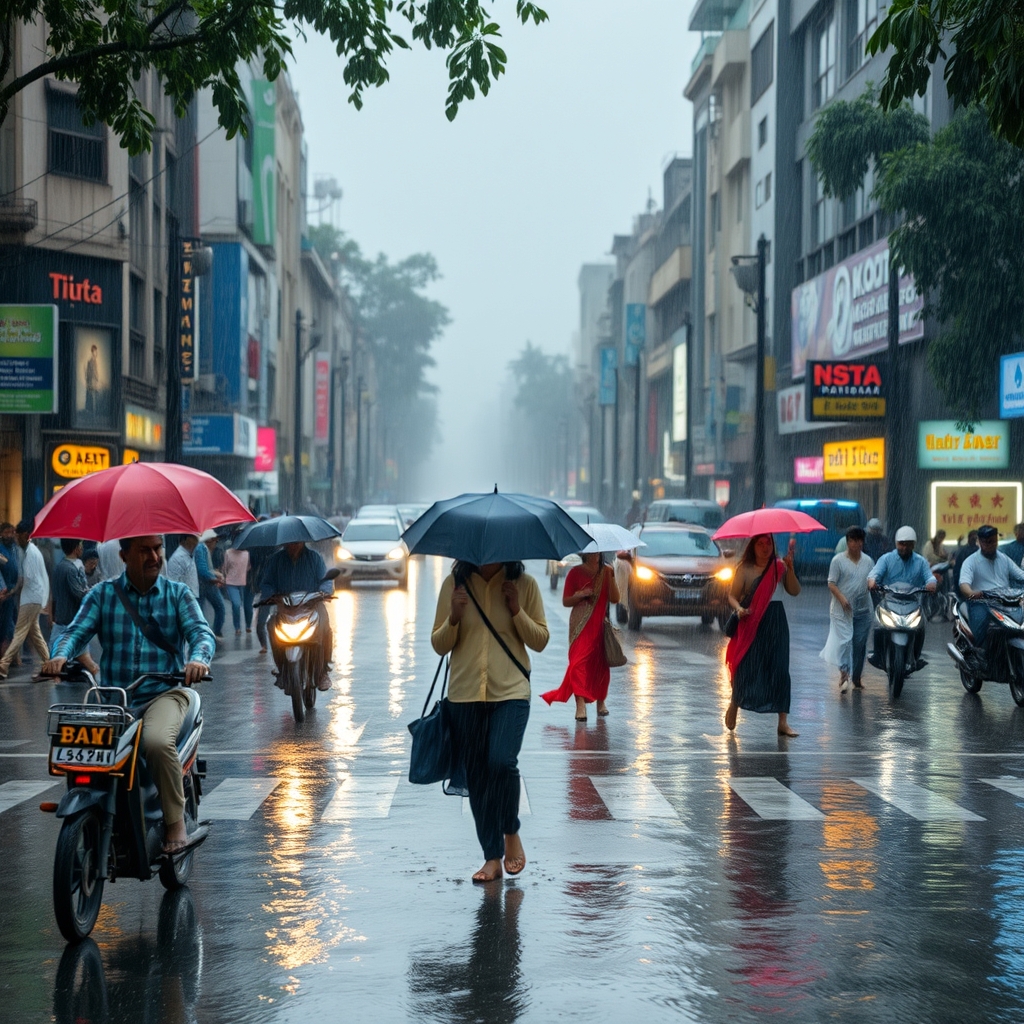
When the first big showers land in June, Mumbai doesn’t just get wet — it gets sick. The same water that fills the potholes on the Eastern Express Highway carries leptospira bacteria; the clean rain pooling on your window ledge becomes an Aedes nursery; and tap water that is safe most of the year can turn risky wherever monsoon leaks let drains seep into the mains. Every monsoon the BMC logs thousands of cases of gastroenteritis, dengue, malaria and leptospirosis — and the great majority were preventable. This is a practical guide to getting your family through the rains intact.
The pattern repeats every year, which is the good news: if you know what the season throws at you, almost all of it is avoidable with a few small habits. Below is what to watch for, what to keep at home, and exactly where to go when something goes wrong.
Quick reference: Mumbai’s monsoon illnesses
Use this as a fast triage table. It does not replace a doctor — any bleeding, breathlessness or a fever past two to three days needs a clinic the same day.
| Illness | How you catch it | Watch for | First move |
|---|---|---|---|
| Leptospirosis | Wading floodwater/mud with a cut | Fever + severe calf pain, red eyes, jaundice | Doctor within 24–72 hrs of wading |
| Dengue | Aedes mosquito, clean standing water | High fever, bleeding, severe stomach pain | NS1 test early; paracetamol only |
| Malaria | Mosquito, monsoon season | Cyclical fever with chills | Blood smear / rapid test |
| Gastroenteritis | Contaminated water, street food | Loose motions, vomiting, dehydration | ORS + fluids; doctor if blood/high fever |
Leptospirosis: the disease you catch by wading
Leptospirosis is the illness Mumbai doctors dread most in a flood year, and it is almost entirely a disease of wading. The bacteria live in water and mud contaminated by the urine of rats, dogs and cattle, and they get into you through a cut, a scratch, or even softened skin between the toes after an hour in floodwater. The BMC issues a leptospirosis advisory almost every time the city waterlogs, and the message never changes: if you have waded through stagnant rainwater or mud, seek medical advice within 24 to 72 hours.
There is a real preventive window here. For an adult with no wounds exposed to floodwater just once, the corporation’s protocol is a single 200 mg dose of doxycycline taken within that 24–72 hour window; higher-risk exposure needs a proper course. Don’t guess the dose yourself — the risk categories genuinely matter — but do act fast, because the tablets only help before symptoms start. Then watch, four to ten days on, for high fever with severe muscle pain (the calves are classic), red eyes and yellowing of the skin. Caught early, leptospirosis is very treatable; left late it can kill, so err firmly towards a clinic visit.
Dengue and malaria: the still-water mosquitoes
Where lepto comes from dirty water, dengue comes from clean water. The Aedes mosquito that carries it breeds in the tidy little pools we make ourselves — the saucer under a money plant, the fridge defrost tray, a forgotten bucket on the balcony, rain sitting on a plastic sheet at a building site. The BMC has mapped well over 1,600 dengue hotspots across the city and runs house-to-house checks each monsoon, but the single most effective thing you can do is keep a weekly “dry day”: once a week, empty and scrub every container that holds standing water, including the overhead-tank lid and AC drip trays.
If fever comes, treat dengue seriously. Take only paracetamol (Crocin, Dolo) — never aspirin, Disprin, ibuprofen or Combiflam, all of which worsen bleeding. Get an NS1 antigen blood test in the first few days of fever (around Rs 600–800 at most Mumbai labs) and keep an eye on the platelet count. The dangerous phase is counter-intuitive: it is when the fever finally breaks, roughly days three to seven, that plasma leakage and bleeding can set in, so never assume you have recovered just because you feel cooler.
Signs that mean hospital now: bleeding gums or nose, black stools, relentless vomiting, severe stomach pain, restlessness. Malaria, both falciparum and vivax, rides the same season and shows up as cyclical fever with chills; a blood smear or rapid test settles it. As a rule, don’t self-treat a monsoon fever for more than a day without a test.
Keeping the drinking water safe
The least dramatic monsoon illness is the commonest: gastroenteritis. Mumbai routinely logs over a thousand cases in a single July, and the reason is often in the pipes. The BMC reports that the great majority of its water samples are fit to drink, but contamination climbs during the rains as ageing lines run alongside flooded drains and monsoon leaks let sewage seep in — and it only takes one bad connection on your stretch. Treat your tap water as suspect from June to September: bring it to a rolling boil for a full minute, or run it through a working RO/UV purifier, and use that same water for ice and for rinsing salad leaves.
Storage matters as much as source — keep boiled water in a clean covered vessel and pour rather than dip cups into it. This is also the season to be disciplined about street food: the BMC issues its annual advisory against it for good reason, as cut fruit, chutneys, pani-puri water and roadside juice are classic vehicles. Keep a few ORS sachets (about Rs 20 each) at home; for most adults an early bout settles with fluids and ORS, but blood in the stool, a high fever, or signs of dehydration in a child or an elderly person need a doctor the same day.
When the roads flood
Mumbai’s drains were built to clear about 25 mm of rain an hour, and a modern cloudburst delivers several times that, so the low-lying chokepoints flood on schedule every year: Hindmata and Dadar, Sion and King’s Circle, Kurla and Chunabhatti, and the Andheri and Milan subways. The safest flood advice is the dullest — stay out of the water. Beyond leptospirosis, moving floodwater hides open manholes (people drown in them every year), live wires near junction boxes, and sharp debris.
If you must move:
- Wear covered rubber footwear and cover any cut with a waterproof dressing before you step out.
- Probe ahead with a stick to feel for open drains and missing manhole covers.
- Skip the underpasses and subways entirely during a downpour — Andheri and Milan flood first and deepest.
- Save 1916 — the BMC disaster control room — in your phone; it runs round the clock through the monsoon for waterlogging, tree-fall and fallen-cable complaints. For a medical emergency call 108 for an ambulance or 112 for general help.
- Charge power banks before a red-alert day, keep a torch and your regular medicines to hand, and on the worst days follow the corporation’s own line: stay in, and don’t act on WhatsApp rumours about dam releases or collapses.
Where to get help
Kasturba Hospital for Infectious Diseases — Chinchpokli / Jacob Circle
The BMC’s dedicated infectious-diseases hospital on Sane Guruji Marg, Sat Rasta, is the city’s front line for leptospirosis, dengue and malaria, with an on-site molecular lab running PCR tests for both dengue and lepto. It is the reference centre — GPs across Mumbai send serious or unclear monsoon fevers here. Practical tip: for a confirmed severe case it is the right place, but for a first consult start at your nearest civic hospital or Dawakhana rather than crossing town with a fever.
HBT Aapla Dawakhana — across all wards
The BMC’s network of more than 200 neighbourhood clinics offers free consultation, basic lab tests and medicines, and during flood advisories they stock the preventive doxycycline the corporation recommends. Hours vary by clinic, but many run an evening shift (some to around 10pm), which suits working residents. Practical tip: this is the cheapest, closest way to get checked inside the 24–72 hour lepto window — find your ward’s clinic before you actually need it.
The major civic hospitals — Parel, Sion, Mumbai Central, Juhu
For anything serious, Mumbai’s big BMC teaching hospitals — KEM at Parel, Lokmanya Tilak (Sion), Nair at Mumbai Central and Cooper at Juhu — run 24-hour casualty departments and treat monsoon illness at little or no cost. Practical tip: in a genuine emergency go to the nearest one, not the “best” one; all four handle dengue and leptospirosis routinely every season.
Insider tips: a monsoon-ready household
- Build a small monsoon kit now: ORS sachets, paracetamol (never aspirin/ibuprofen for fevers), waterproof dressings, a torch, and covered rubber footwear by the door.
- Program the numbers today: 1916 (BMC control room), 108 (ambulance), 112 (emergency), and your nearest Aapla Dawakhana — a fever is a bad time to be searching.
- Make the dry day a fixed weekly ritual, the same day each week, so no container of clean water sits long enough to breed Aedes.
- Boil first, always, from June to September — for drinking, ice and washing salad — and store it covered.
- Treat wading as an exposure event, not a nuisance: rinse, dress any cut, and get to a Dawakhana inside the window rather than waiting to feel unwell.
Mumbai’s monsoon illnesses are largely preventable and, caught early, very treatable. Keep the water out of you, the mosquitoes out of your home, and the germs out of your glass. Save 1916, know where your nearest Aapla Dawakhana is, and treat any fever that won’t break — or any bleeding at all — as a reason to get tested rather than tough it out. Do those few small things and the rains stay what they are meant to be: a relief, not a health emergency.
Frequently Asked Questions
Should I take doxycycline every time my feet get wet in the rain?
No. Preventive doxycycline is for wading through stagnant floodwater or mud, not for ordinary rain. The dose depends on how much you were exposed and whether you have cuts, so let a doctor or an Aapla Dawakhana decide — but act within 24 to 72 hours if you were exposed, because the tablets only help before symptoms start.
How do I tell dengue from an ordinary viral fever in Mumbai?
Early on you often can't tell by symptoms alone, which is exactly why a test matters. Get an NS1 antigen blood test in the first few days of any monsoon fever, avoid aspirin and ibuprofen in the meantime, and watch for bleeding, severe stomach pain or breathlessness.
Is BMC tap water safe to drink during the Mumbai monsoon?
Play it safe. The mains are largely clean citywide, but monsoon leaks and cross-connections can foul the supply on your own stretch, and that risk peaks in the rains. Boil water for a full rolling minute or use a working RO/UV purifier, and store it in a clean covered vessel.
What is the one emergency number I should save for the Mumbai monsoon?
1916 — the BMC disaster management control room, staffed round the clock through the monsoon for waterlogging, tree-fall and fallen-cable complaints. Add 108 for an ambulance and 112 for general emergency help.
When does a monsoon fever become an emergency?
Any bleeding (gums, nose, black stools), persistent vomiting, severe abdominal pain, confusion or breathlessness — or a fever that hasn't broken in two to three days. Don't wait it out at home; the dangerous phase of dengue often begins as the fever finally breaks, days three to seven.
Which containers breed dengue mosquitoes at home?
The Aedes mosquito breeds in clean standing water — the saucer under a money plant, the fridge defrost tray, AC drip trays, a forgotten balcony bucket and the overhead-tank lid. Keep a weekly 'dry day': once a week, empty and scrub every one of them.