
The Best Punjabi & North Indian Food in Mumbai
Where to eat the best Punjabi and North Indian food in Mumbai: butter chicken, dal makhani, tandoori kebabs and Amritsari kulcha, from Bandra dhabas to Colaba.
'%3E%3Crect%20width%3D'96'%20height%3D'96'%20fill%3D'%23E65100'%2F%3E%3Ccircle%20cx%3D'30'%20cy%3D'24'%20r%3D'44'%20fill%3D'%23fff'%20opacity%3D'.12'%2F%3E%3Ccircle%20cx%3D'60'%20cy%3D'74'%20r%3D'40'%20fill%3D'%23000'%20opacity%3D'.10'%2F%3E%3C%2Fg%3E%3Cg%3E%3Ccircle%20cx%3D'48'%20cy%3D'48'%20r%3D'15'%20fill%3D'none'%20stroke%3D'%23fff'%20stroke-width%3D'3'%2F%3E%3Cpath%20fill%3D'%23fff'%20d%3D'M48%2037%20l3.5%2011%20-3.5%2011%20-3.5%20-11%20z'%2F%3E%3Ccircle%20cx%3D'48'%20cy%3D'48'%20r%3D'2.2'%20fill%3D'%23fff'%2F%3E%3C%2Fg%3E%3C%2Fsvg%3E)
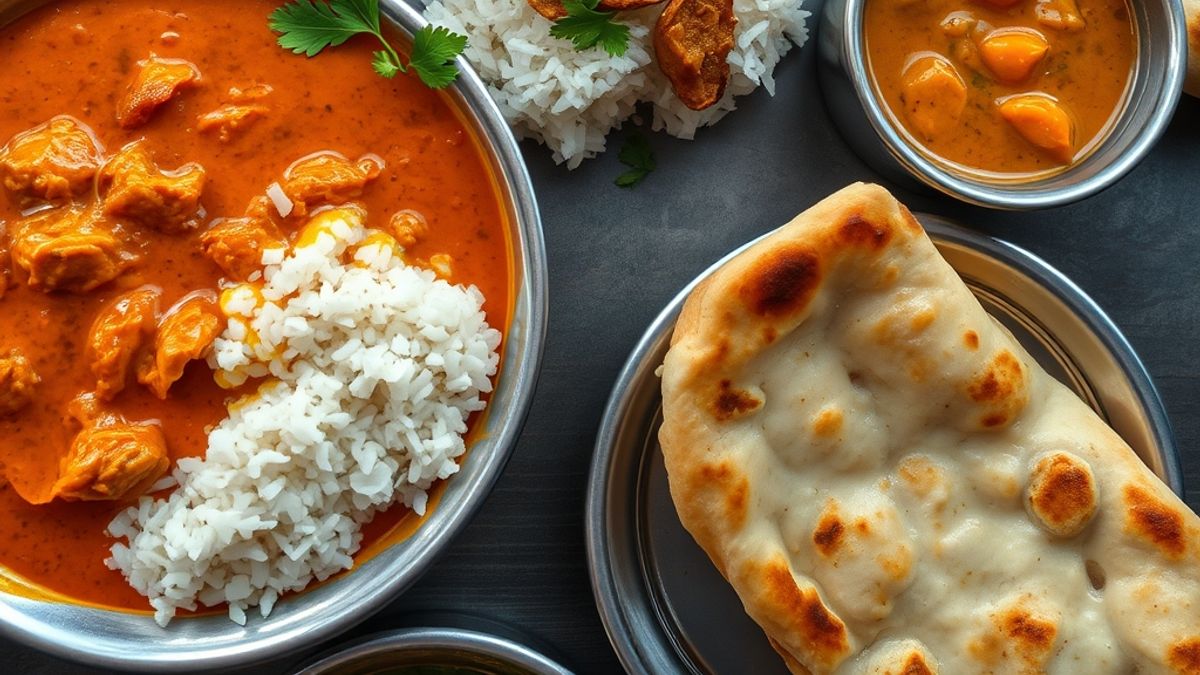
When Mumbaikars want a big, comforting, celebratory meal, they reach for Punjabi and North Indian food — the butter chicken, the dal makhani, the smoky tandoori kebabs and hot naan that have become the default “let’s go out for dinner” cuisine across the country. Mumbai does it with gusto, from proudly rustic dhabas to old-school family restaurants. This guide points you to the good stuff, tells you what to order, and explains where Punjabi ends and Mughlai begins.
Quick reference: where to eat and what it costs
| Place | Area | Approx cost for two (₹) | Best for | Nearest station |
|---|---|---|---|---|
| Rajinder Da Dhaba | Khar / Juhu | 600–1,000 | Butter chicken, kebabs | Khar Road (W) |
| Papa Pancho Da Dhaba | Bandra West | 700–1,200 | Parathas, sarson da saag | Bandra (W) |
| Mini Punjab | Lokhandwala | 800–1,400 | Tandoori, kulcha | Andheri (W) |
| Oye Kake | Andheri | 500–900 | Amritsari kulcha, chole | Andheri (W) |
| Delhi Darbar | Colaba | 500–900 | Mughlai-Punjabi mix, biryani | CSMT / Churchgate |
The dishes that define it
- Butter chicken (murgh makhani) — tandoori chicken in a rich, buttery tomato gravy. The gateway dish, and rightly beloved.
- Dal makhani — black lentils simmered for hours with butter and cream until velvety. The vegetarian showstopper.
- Tandoori kebabs — chicken tikka, seekh kebabs and whole tandoori chicken pulled smoking from the clay oven.
- Amritsari kulcha and chole — a stuffed, crisp-baked bread with spiced chickpeas, at its best charred and drenched in butter.
- Sarson da saag and makki di roti — the winter classic of slow-cooked mustard greens with cornmeal flatbread and a knob of white butter (seasonal).
- Rajma-chawal and chole bhature — the everyday North Indian comfort plates, kidney beans or fried bread with chickpeas.
- Lassi — the thick, sweet or salted yogurt drink, served in a tall steel glass, that cools the whole meal down.
The restaurants worth the trip
Rajinder Da Dhaba (Khar / Juhu)
Robust, no-frills Punjabi cooking — hearty butter chicken, charred kebabs and a properly creamy dal makhani in an unfussy setting that has fed the suburbs for years. Around ₹600–1,000 for two. Come hungry and order a mixed grill for the table.
Papa Pancho Da Dhaba (Bandra West)
A vibrant, character-filled Punjabi spot off Waterfield Road, known for its parathas, thick lassi and, in winter, a genuinely good sarson da saag. Bollywood-poster walls and loud energy are part of the package. Around ₹700–1,200 for two.
Mini Punjab (Lokhandwala and multiple outlets)
A dependable multi-outlet favourite for tandoori platters, butter chicken and kulcha, with a lakeside setting at the Lokhandwala branch. Reliable rather than adventurous, which is exactly what you want feeding a big group. Around ₹800–1,400 for two.
Oye Kake (Andheri and others)
Amritsari-style eating done well — stuffed kulchas baked to order, chole, dal makhani and lassi, at prices that keep it a regular haunt rather than an occasion. Around ₹500–900 for two.
Delhi Darbar (Colaba)
A long-standing South Mumbai institution blending Mughlai and Punjabi — biryani, kebabs and butter chicken, handy after a Gateway of India or Colaba Causeway wander. Around ₹500–900 for two. The one to know when you are south of the sea link.
Beyond these, the city is thick with options: Bawa Chicken in the Bandra–Khar belt for late-night Punjabi, Urban Tadka and Punjab Grill for a smarter sit-down version, and countless neighbourhood dhabas where the tandoor never cools. If a place is loud, packed and smells of woodsmoke and butter, you are usually in the right room.
Where to splurge on North Indian
When it is an occasion rather than a Tuesday, Mumbai has grander rooms. Khyber near Kala Ghoda in Fort is the old-money choice — a beautiful, art-hung dining room turning out Frontier and Mughlai classics, its Khyber raan and dal a cut above. Peshawri at the ITC Maratha in Andheri is the North-West Frontier experience done properly: no cutlery, a bib, and slow-cooked Dal Bukhara, Sikandari Raan and tandoori platters eaten with your hands and hot naan. Copper Chimney, born of the legendary Jiggs Kalra and now at several addresses including Worli, is the dependable mid-to-upper option for silky dal, kebabs and butter chicken in comfort. Reserve ahead at all three; these are dinner-jacket-optional but booking-essential rooms.
The best vegetarian North Indian
You do not need meat to eat well in this cuisine. Bhagat Tarachand, the ghee-rich pure-veg institution near Kalbadevi and Fort, is a South Mumbai rite of passage — dal fry, kaju curry and unlimited buttered rotis in a plain, always-full room. Cream Centre at Chowpatty is the address for a mountainous plate of chole bhature, and Kailash Parbat in Colaba does Sindhi-Punjabi chaat, chole and papdi with decades of practice behind it. Paneer lovers are spoilt everywhere: paneer tikka off the tandoor, palak paneer, paneer butter masala and the winter shahi paneer are on every North Indian menu in the city.
Punjabi versus Mughlai — a quick word
Newcomers often blur the two, and Mumbai’s menus happily mix them, but they come from different places. Mughlai cooking — the biryanis, kormas and slow-cooked kebabs of Mohammed Ali Road and Bhendi Bazaar — descends from the royal kitchens of the Mughal court and leans on nuts, cream, saffron and subtle, layered spice. Punjabi food is heartier, rustic farmhouse cooking built around the tandoor, wheat breads, dairy and bold, direct flavour. Butter chicken and dal makhani sit firmly on the Punjabi side; a rich mutton biryani or a bowl of nihari sits on the Mughlai side. Most restaurants serve both, so you can happily order across the line — just know that a Punjabi dhaba and a Mughlai eatery are chasing slightly different things.
When and where to go
Which Mumbai areas do Punjabi food best?
The best Punjabi dhabas cluster in the western suburbs — Bandra, Khar, Juhu, Andheri and Lokhandwala — all easily reached by Western-line train or cab. This is where the late-night, big-appetite version of the cuisine thrives, and where you will find the smoky tandoor plates and thick lassis at their most honest. Delhi Darbar keeps South Mumbai covered near the Colaba tourist trail, and the mill-land districts of Lower Parel and Worli have polished, air-conditioned takes for a smarter evening.
When is the best time to eat Punjabi food in Mumbai?
Dinner is the natural home of this cuisine — it is celebratory, shareable, built for a table of friends and a long evening. But chase the winter months (roughly November to February) for the seasonal treasure: sarson da saag with makki di roti appears only in the cold months, and it is worth planning a meal around. For kulcha and chole, breakfast and lunch at an Amritsari spot like Oye Kake is the move.
How to build the perfect Punjabi order
For a table of four, a balanced order looks like this: one creamy gravy (butter chicken or dal makhani), one dry tandoori dish (chicken tikka, seekh kebab or paneer tikka), one lighter vegetable (bhindi masala, jeera aloo or a mixed sabzi), a raita to cool the palate, breads (a mix of butter naan, tandoori roti and a stuffed kulcha), and either rice or a jeera pulao. That covers rich and dry, meat and veg, soft and crisp — the four axes a good North Indian meal balances. Add a lassi each and you rarely need dessert. Order the breads last and hot; naan wilts fast.
North Indian beyond the tandoor
“North Indian” is broader than the Punjabi dhaba. Mumbai also does the street-and-snack end of it superbly: Delhi-style chaat — golgappa, papdi chaat, aloo tikki — at stalls and chaat houses across the suburbs; kathi rolls of kebab and egg wrapped in paratha for a walking dinner; and chole bhature as a meal in itself. For a lighter North Indian dinner, a plate of chaat and a couple of rolls beats a heavy gravy spread — and it is how many Mumbaikars actually eat this food midweek.
Tips for eating Punjabi in Mumbai
- Order to share. This is family-style food; a couple of curries, a dal, a tandoori platter and breads for the table is the way to do it.
- Balance the richness. Punjabi mains are heavy on butter and cream, so pair them with a dry tandoori dish, a raita and plenty of bread rather than doubling up on gravies.
- Chase the season. Sarson da saag with makki di roti is a winter special — order it the moment it appears on the menu.
- Finish with lassi or kheer rather than a heavy dessert; the meal is rich enough already.
- Portions are generous. Order conservatively at first — you can always add more, and Punjabi kitchens do not do small.
- Dhabas are casual and cash-friendly, though cards and UPI are widely accepted. Dress down and turn up hungry.
What to drink, and how to finish
The default pour is a tall lassi — sweet, salted or mango — and it earns its place cutting through all that butter and cream. A masala chaas (spiced buttermilk) does the same job lighter. To finish, skip the heavy Western desserts and go regional: warm gajar ka halwa in winter, a bowl of kheer, kulfi-falooda, or the syrup-soaked gulab jamun that most dhabas keep on the counter. A shot of after-meal saunf (fennel) is how the table signals it is done. If you are drinking, a cold lager or a whisky-soda is the north-Indian pairing of choice; the food is too robust for anything delicate.
The bottom line
For a big, warm, crowd-pleasing dinner, Mumbai’s Punjabi and North Indian restaurants deliver every time — butter chicken and dal makhani at their creamy best, kebabs pulled off the tandoor, and breads to mop it all up. Head to a suburban dhaba like Rajinder or Papa Pancho, order to share, balance the richness with something dry and a good lassi, chase the sarson da saag in winter, and you have the definitive comfort meal of urban India.
Frequently Asked Questions
Where can I get the best butter chicken in Mumbai?
The western-suburb dhabas do it best — Rajinder Da Dhaba in Khar, Mini Punjab in Lokhandwala and Papa Pancho in Bandra all serve rich, tandoor-smoked butter chicken. In South Mumbai, Delhi Darbar in Colaba is the long-standing favourite.
What is the difference between Punjabi and Mughlai food?
Punjabi food is hearty farmhouse cooking built around the tandoor, wheat breads and dairy — think butter chicken and dal makhani. Mughlai descends from royal kitchens and leans on nuts, cream and layered spice, as in biryani, korma and nihari.
How much does a Punjabi meal for two cost in Mumbai?
Expect roughly ₹500–1,400 for two at a casual dhaba, covering a couple of curries, a dal, a tandoori platter and breads. Amritsari kulcha spots run cheaper; sit-down family restaurants and hotel dining cost more.
What should I order at a Punjabi restaurant in Mumbai?
Order to share: butter chicken or dal makhani, a dry tandoori dish like chicken tikka or seekh kebab, breads such as naan or kulcha, a raita to cut the richness, and a lassi to finish. Sarson da saag with makki di roti is the winter special to chase.
Which Mumbai neighbourhoods have the best North Indian food?
The western suburbs — Bandra, Khar, Juhu, Andheri and Lokhandwala — hold the densest cluster of Punjabi dhabas, all easy to reach on the Western line. Colaba covers South Mumbai for the tourist trail.