
Best Pure-Veg Restaurants in Mumbai
An area-wise guide to Mumbai's best pure-veg food — Matunga dosas, Vile Parle Gujarati thalis, Ghatkopar street food and Bandra cafés, with ₹ price bands.
'%3E%3Crect%20width%3D'96'%20height%3D'96'%20fill%3D'%23E65100'%2F%3E%3Ccircle%20cx%3D'30'%20cy%3D'24'%20r%3D'44'%20fill%3D'%23fff'%20opacity%3D'.12'%2F%3E%3Ccircle%20cx%3D'60'%20cy%3D'74'%20r%3D'40'%20fill%3D'%23000'%20opacity%3D'.10'%2F%3E%3C%2Fg%3E%3Cg%3E%3Ccircle%20cx%3D'48'%20cy%3D'48'%20r%3D'15'%20fill%3D'none'%20stroke%3D'%23fff'%20stroke-width%3D'3'%2F%3E%3Cpath%20fill%3D'%23fff'%20d%3D'M48%2037%20l3.5%2011%20-3.5%2011%20-3.5%20-11%20z'%2F%3E%3Ccircle%20cx%3D'48'%20cy%3D'48'%20r%3D'2.2'%20fill%3D'%23fff'%2F%3E%3C%2Fg%3E%3C%2Fsvg%3E)
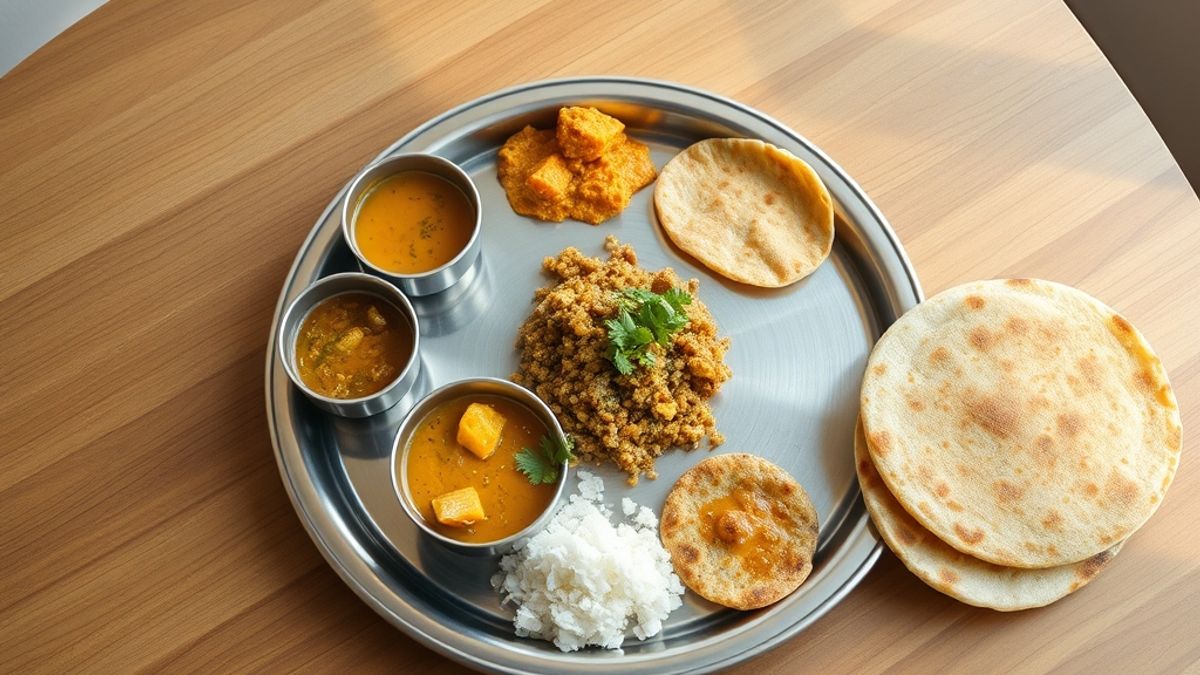
Mumbai is one of the easiest big cities in the world to eat vegetarian in, and I say that as someone who has spent years chasing the perfect ghee roast across the suburbs. Whole neighbourhoods here run almost entirely on pure-veg kitchens, communities have built their food cultures over generations, and you can eat superbly for the price of a single fancy coffee elsewhere. This is not a ranked list — it is a map of where to go depending on which craving has hit you and which corner of the city you are in.
Where to eat pure-veg in Mumbai, by area
I have stuck to well-known, long-standing places and rough price bands rather than exact figures, because Mumbai menus change with the seasons and the price of onions. Treat the rupee ranges as “per person, comfortably fed” guides.
| Area | Signature dish | Approx cost (₹) | Best time | Nearest line |
|---|---|---|---|---|
| Matunga | Ghee-roast dosa, filter coffee | 150–350 | Breakfast 8–10am | Central / Harbour |
| Ghatkopar East | Cheese sandwich, pav bhaji, chaat | 60–200 | Evening, after 6pm | Central / Metro |
| Vile Parle–Andheri | Unlimited Gujarati thali | 350–700 | Weekend lunch | Western |
| Bandra | Café brunch, modern veg | 400–900 | Mid-morning | Western |
| Fort / Churchgate | Landmark veg, chaat, falooda | 100–800 | Weekday lunch | Western / Harbour |
Matunga: the South Indian heartland
If someone forced me to send a first-time visitor to a single vegetarian pocket of Mumbai, it would be Matunga. This Tamil-Brahmin stronghold in the central suburbs has served filter coffee and crisp dosas since long before “South Indian” became a nationwide restaurant category. Walk out of Matunga Road station in the morning and follow the smell of tempering curry leaves. The grand old Udupi-style halls are the main event: long communal tables, brisk waiters, and dosas that arrive glistening and enormous.
What to order:
- Ghee-roast dosa, folded like a scroll and shatteringly crisp
- Rava masala dosa for something lighter and lacier
- Filter coffee, frothy in a steel tumbler and davara — do not ask for it in a mug
- A full South Indian thali at lunch for the whole spread: sambar, rasam, kootu, poriyal, payasam
- Sheera or a plate of steamed idlis to finish gently
Price band: roughly ₹150–350 per person for a hearty breakfast or lunch. These are old-school, high-turnover places, so it is genuinely affordable. Go for breakfast between 8 and 10am, or lunch around 1pm; weekends get packed and the queues spill onto the pavement. For a deeper crawl, see our dedicated Matunga food trail.
Ghatkopar and the eastern suburbs: street food and Gujarati flavours
Ghatkopar, out on the Central and Metro lines, is a paradise for anyone who loves Gujarati and Jain vegetarian food and the great Mumbai art of standing on a pavement eating something delicious. The stretch around Ghatkopar East is famous for its evening food scene — cheese-loaded sandwiches, pav bhaji thick with butter, and endless variations on the humble sandwich that Mumbai has elevated to obsession. This is casual, order-at-the-counter eating.
What to order:
- The legendary grilled cheese sandwiches this area is known for
- Pav bhaji, mashed and buttered to order on a giant griddle
- Pani puri and sev puri from a chaat cart, eaten standing up
- Dabeli, a Kutchi speciality of spiced potato in a bun, if you spot a good stall
Price band: street snacks run ₹60–200, and you can graze an entire dinner for under ₹300. Come hungry after 6pm when the carts light up; carry small cash and hand sanitiser, pick stalls with high turnover, and pace yourself. For a sit-down Gujarati and Rajasthani thali, the eastern and central suburbs also have several well-loved unlimited-thali houses — the places to go when you want to be pleasantly defeated by food, with a rotating cast of farsan, dals, shaaks, ghee-fried rotis, rice, chaas and a sweet.
Vile Parle and the western suburbs: thalis and old favourites
Vile Parle, on the Western Line, sits at the heart of a stretch with deep vegetarian roots. This belt — running loosely from Vile Parle up through Andheri — is where you find the classic unlimited Gujarati and Rajasthani thali done properly. You sit, a steel platter arrives, and a small army of servers keeps circling with buckets and ladles. The rhythm is part of the pleasure: taste a little, let them refill what you love, wave off what you do not.
What to order:
- The full unlimited thali — do not fight it, just show up hungry
- Seasonal specials: aamras (mango pulp) in summer, undhiyu in winter
- Ghee-laden rotlis, a variety of shaaks, kadhi, and a couple of sweets
- Buttermilk (chaas) throughout to keep things light
Price band: a proper unlimited thali typically lands around ₹350–700 per person depending on how premium the house is. Book ahead for weekend lunches, which are busiest and best-stocked, and arrive properly hungry — grazing beforehand is a rookie mistake. Lunch tends to have a fuller spread than dinner, and winter brings the celebrated undhiyu. The western suburbs also reward a South Indian craving, with reliable Udupi diners near most station areas for a quick dosa or idli-vada.
Bandra: cafés, modern veg and comfort food
Bandra is where Mumbai’s vegetarian scene turns contemporary. Alongside the neighbourhood’s famous café culture, you will find pure-veg kitchens and health-forward spots for a younger, brunch-loving crowd, plus plenty doing global comfort food without any meat on the menu. This is the part of town for slow mornings and long coffees rather than lightning-fast thalis — expect prettier plating, more fusion, and prices to match the postcode.
What to look for:
- Café brunches: elaborate breakfast plates, avocado on toast, smoothie bowls and specialty coffee
- Modern Indian and fusion veg — reimagined chaat, paneer done interesting ways, creative regional plates
- Excellent vegetarian pizzas, pastas and bowls at the all-day cafés
- A good cold coffee or an artisanal dessert to round things off
Price band: café meals here typically run ₹400–900 per person, climbing higher at the trendier spots — the priciest area on this list, but the ambience is part of what you pay for. Weekend brunch is the signature Bandra experience: go mid-morning and be prepared to wait. Linden Street, Hill Road and the lanes off Carter Road are good hunting grounds, and Bandra rewards wandering — pick an area, walk, and duck into whatever looks inviting. Coffee obsessives should pair this with our specialty coffee guide.
Town and the Fort area: legacy institutions
Head south to the “town” side — Fort, Kala Ghoda, Churchgate, CST and Marine Lines — and you are in the land of grand old vegetarian institutions and heritage cafés, where office lunches, family dinners after a movie, and post-museum coffees have happened for decades. South Mumbai has some of the city’s most famous large-format pure-veg restaurants — chandeliers, an eye-wateringly long menu, and a reputation that stretches back generations — plus the classic chaat and juice experience near Marine Lines and Churchgate.
What to order:
- A big multi-cuisine spread at a landmark veg restaurant — Punjabi, South Indian, Chinese and chaat under one roof
- Pav bhaji and chaat near the Marine Lines and Churchgate stretch, ideally as an evening snack
- Fresh fruit juices and falooda in the Fort area’s old juice houses
- A retro veg meal at a heritage café if you want atmosphere as much as food
Price band: wide — quick chaat and juices at ₹100–250, a sit-down meal at a landmark restaurant more like ₹400–800 per person. Weekday lunches in Fort are lively with the office crowd, so go slightly early or late to dodge the rush. This part of the city is very walkable and connected by Western and Harbour lines, so you can easily string together a museum, a stroll along Marine Drive, and a long veg dinner.
Seasonal specials worth timing your visit around
Mumbai’s vegetarian calendar is worth reading like a menu. Some of the best plates appear only for a few weeks a year, and timing a meal around them turns a good lunch into a memorable one.
- Summer (March–May): aamras — thick, sweet Alphonso mango pulp eaten with puris — takes over Gujarati thali houses in Vile Parle and Ghatkopar. It is the single best reason to eat a thali between the March and May mango window.
- Winter (November–February): undhiyu, the Surti mixed-vegetable-and-fenugreek-dumpling casserole, is the star of the cold months, alongside fresh ponkh (tender sorghum) and jaggery-rich sweets. Thali houses do their fullest spread now.
- Monsoon (June–September): hot, fried comfort food comes into its own — pakoras, bhajias, corn, and steaming filter coffee in Matunga. Street chaat is best eaten at high-turnover stalls in the wet months, when freshness matters most.
- Festivals: Navratri brings farali (fasting) menus of sabudana khichdi and vada across the city, and Diwali fills sweet shops with mithai. Ganesh Chaturthi means modaks everywhere.
How to order Jain and no-onion-no-garlic
Mumbai is one of the world’s easiest cities to eat strictly Jain in. The convention is simple: say “Jain” when you order and the kitchen leaves out onion, garlic and root vegetables like potato, carrot and beetroot. Most thali houses, Udupi halls and even chaat carts understand the request instantly, and many print Jain versions on the menu. If you also avoid onion and garlic without being fully Jain, the same instruction works. For the strictest eaters, community-run Gujarati and Rajasthani thali houses in Vile Parle, Ghatkopar and Sion are the safest bet, since their entire kitchens are built around those rules rather than adapting on request.
Insider tips for eating veg in Mumbai
- Jain food is everywhere. Most vegetarian restaurants will happily do Jain versions without onion and garlic — just ask when ordering.
- Trust the crowds. A stall or hall packed with locals almost always means fresh food and fast turnover. Empty at peak hours is the warning sign.
- Timing matters. South Indian halls shine at breakfast, thali houses at lunch, street food and chaat in the evening, cafés for brunch. Match the place to the hour.
- Carry some cash. Cards and UPI are widely accepted, but the best small stalls and old halls sometimes run cash-only or move faster with exact change.
- Take the train. Every area here is on the local network, faster than any cab in Mumbai traffic, and it drops you in the middle of the action.
Mumbai’s vegetarian food is not a compromise or an afterthought — for millions here it is simply the food, cooked with the care that comes from generations of practice. Pick a neighbourhood, show up hungry, and follow your nose. Whether it is a ghee roast in Matunga at nine in the morning or an unlimited thali in Vile Parle that leaves you happily immobile, you will eat well and spend little. That, more than anything, is the real Mumbai promise.
Frequently Asked Questions
Which area has the best pure-veg food in Mumbai?
Matunga is the go-to for South Indian — filter coffee and ghee-roast dosas from generations-old Udupi halls. For unlimited Gujarati and Rajasthani thalis head to Vile Parle and the western suburbs; for veg street food, Ghatkopar East after 6pm.
Is it easy to eat Jain (no onion, no garlic) food in Mumbai?
Very. Most pure-veg restaurants across Matunga, Vile Parle, Ghatkopar and Fort will make Jain versions without onion and garlic on request, and many thali houses and street stalls mark Jain options by default. Just tell them when you order.
How much does a pure-veg meal cost in Mumbai?
A South Indian breakfast in Matunga runs roughly ₹150–350 per person, street snacks in Ghatkopar ₹60–200, an unlimited Gujarati thali around ₹350–700, and a Bandra café meal ₹400–900. Treat these as comfortable per-person guides.
Where can you get an unlimited Gujarati thali in Mumbai?
The Vile Parle to Andheri belt on the Western Line is the classic address for unlimited Gujarati and Rajasthani thalis, refilled until you surrender. Book ahead for weekend lunches, which are the busiest and best-stocked, and arrive genuinely hungry.