
Sanjay Gandhi National Park & Kanheri Caves: A Visitor's Guide
Sanjay Gandhi National Park, Borivali: a local's guide to the Kanheri Caves, lion-and-tiger safari, toy train, forest treks, timings, tickets and leopard sense.
'%3E%3Crect%20width%3D'96'%20height%3D'96'%20fill%3D'%23E65100'%2F%3E%3Ccircle%20cx%3D'30'%20cy%3D'24'%20r%3D'44'%20fill%3D'%23fff'%20opacity%3D'.12'%2F%3E%3Ccircle%20cx%3D'60'%20cy%3D'74'%20r%3D'40'%20fill%3D'%23000'%20opacity%3D'.10'%2F%3E%3C%2Fg%3E%3Cg%3E%3Ccircle%20cx%3D'48'%20cy%3D'48'%20r%3D'15'%20fill%3D'none'%20stroke%3D'%23fff'%20stroke-width%3D'3'%2F%3E%3Cpath%20fill%3D'%23fff'%20d%3D'M48%2037%20l3.5%2011%20-3.5%2011%20-3.5%20-11%20z'%2F%3E%3Ccircle%20cx%3D'48'%20cy%3D'48'%20r%3D'2.2'%20fill%3D'%23fff'%2F%3E%3C%2Fg%3E%3C%2Fsvg%3E)
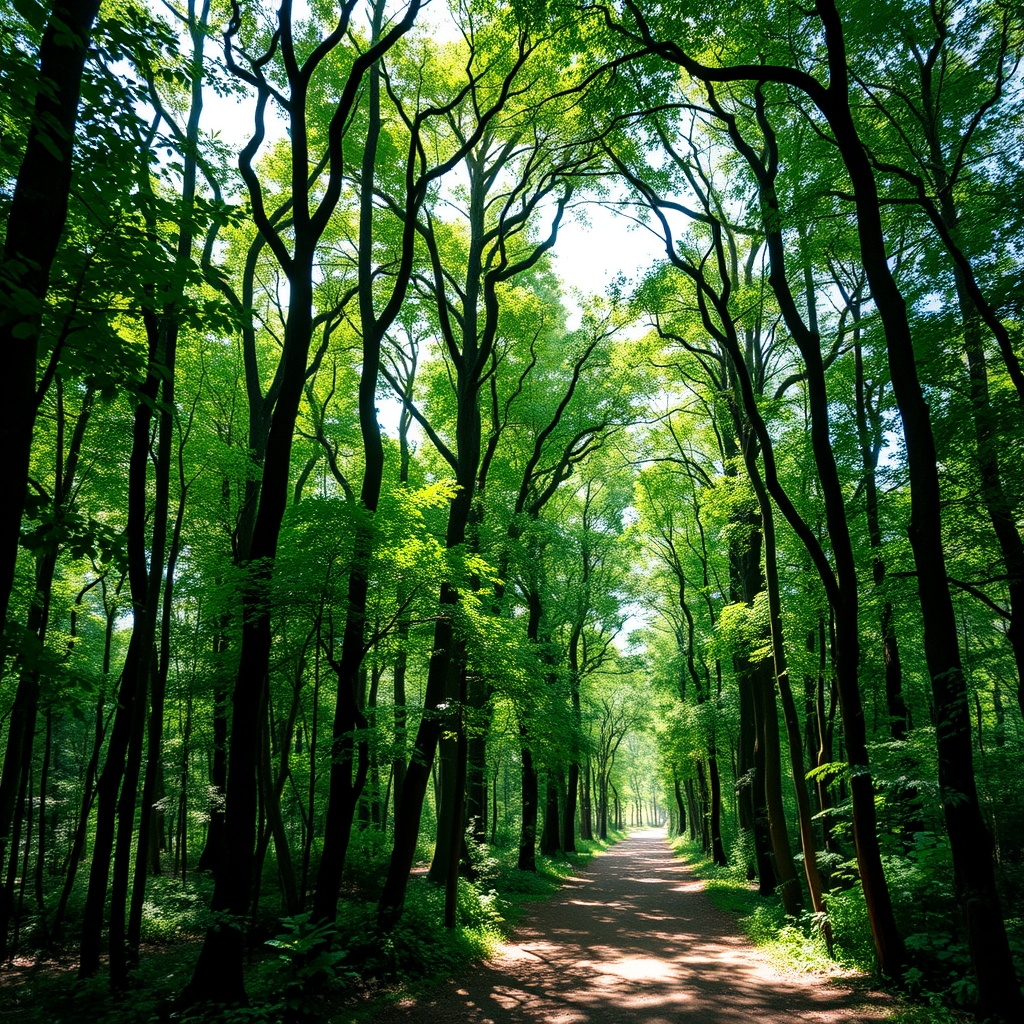
Photo: Patrice78500 · CC BY-SA 3.0 · via Wikimedia Commons
There is a forest inside Mumbai — a real one, with leopards in it — and most of us have only ever seen it as a green blur from the Western Express Highway. Sanjay Gandhi National Park spreads across more than 100 square kilometres of hills, lakes and jungle in the city’s northern suburbs, close enough to Borivali station that you can be walking a shaded forest trail forty minutes after leaving a crowded platform. Deep inside it sit the Kanheri Caves, more than a hundred Buddhist prayer halls carved into a black basalt ridge, some older than two thousand years. Between the caves, a big-cat safari, a rebuilt toy train and some genuinely wild trekking, it is the best full day of green the city offers. Here is how to do it without wasting half of it in the wrong queue.
SGNP attractions at a glance
Nearly everything inside is ticketed separately, so plan the day around what you actually want and where it sits.
| Attraction | Location in park | Approx cost (₹) | Best time | Note |
|---|---|---|---|---|
| Kanheri Caves | 6–7 km from gate | 25 (Indian) / ~250 (foreign) | Go first, morning | Last entry ~4:30pm |
| Lion & Tiger Safari | Near main gate | 120 adult / 50 child | Early, high footfall | Needs ~15 to depart |
| Van Rani Toy Train | Krishnagiri Upvan | 65 adult / 40 child | Buy early | Relaunched 2026 |
| Shilonda Trail | Off forest road | Guide/group | Wetter months | 3–4 hrs, gentle |
| Jambhulmal trek | Highest point | Group essential | Start early | 5–6 hrs round trip |
| Cycle hire | Near entrance | 70–100 per hour | Cooler months | Uphill to caves |
General park entry is modest — in the region of ₹85 for adults and ₹45 for children and senior citizens, with the very young free. Everything above is on top of that, so budget for a few small tickets rather than one big one. Closed Mondays; gates open around 7:30am and the park closes by about 6:30pm, last entry roughly an hour before.
A wild park, not a landscaped garden
It helps to know what you are walking into. This is protected forest, home to something like 250 species of birds, around 40 mammals, 150-odd butterflies and well over a thousand kinds of plants and trees. Two lakes inside it, Tulsi and Vihar, still feed part of Mumbai’s drinking water. It is also famous, a little nervously, for its leopards (more on them below). Twenty minutes past the gate, on a quiet trail with only birdsong and the odd spotted deer for company, you are in genuinely wild territory — not a manicured park.
Getting there, and getting in
The main entrance is at Borivali East, just off the Western Express Highway. From almost anywhere in the city the sanest option is the train: take a Western Line local to Borivali, come out on the east side, and it is a short auto-rickshaw ride (about ten minutes) to the gate. BEST buses run to the area too, and if you are driving there is parking near the entrance, though it fills up fast on weekends. First-timers should stick to the Borivali East gate — it is the one that leads to Kanheri, the safari and the train.
Two things to fix in your head before you go. First, the headline attractions are closed on Mondays — the caves, the safari and the toy train all shut, so aim for Tuesday to Sunday. Second, the park gate is not the caves; Kanheri sits six to seven kilometres deeper inside. Go early for the cooler air, the softer light and animals that are actually moving about.
What to actually do inside
Kanheri Caves
Deep in the forest, about 6–7 km from the Borivali gate, this is the historical heart of the park and, for many, the whole reason to come. There are 109 caves cut into a hillside between roughly the first century BCE and the tenth century CE, when this was a thriving Buddhist monastery, university and pilgrimage centre. The name comes from Krishnagiri, “black hill,” for the dark basalt. The showpiece is Cave 3, the Great Chaitya — a pillared prayer hall over 26 metres long, ringed by carved columns, with a stupa at the far end and two colossal standing Buddhas flanking the porch. Climb higher and the caves shrink into monks’ cells, lecture halls and rock-cut water cisterns, quiet and atmospheric and far less crowded than Elephanta. The ASI charges its own entry, roughly ₹25 for Indian visitors and around ₹250 for foreign nationals, with children free.
Practical tip: the caves close earlier than the park (last entry around 4:30pm), so go here first. Wear grippy shoes for the worn steps, and don’t open food in front of the monkeys, who have thoroughly worked out what tourists carry.
The Lion & Tiger Safari
Near the main entrance, this is a fenced-enclosure bus ride. The tiger safari reopened in January 2024 after five years shut, rebuilt around a larger, more natural 20-hectare enclosure; the lion safari runs alongside it with a pair of Asiatic lions. You view the cats from inside a caged vehicle rather than the other way round, and the loop lasts around 20–30 minutes. Tickets are separate, roughly ₹120 for adults and ₹50 for children, and it runs through the day (about 9am to 5:30pm) with a lunch break in the middle.
Practical tip: the bus needs a minimum group — around 15 people — before it sets off, so go earlier when footfall is high and the vehicle fills quickly. It is a well-kept drive-through, not the Masai Mara, but children love it and it is the closest most people will get to a big cat.
The Van Rani Toy Train
In the Krishnagiri Upvan zone near the gate, the beloved “forest queen” miniature train — a fixture of childhood trips here — was knocked out by cyclone damage in 2021 and sat idle for years. It is now back: a rebuilt, battery-operated version with glass-roofed Vistadome coaches, running again from early 2026 on a 2.3-km loop through the woods near the entrance. Tickets are small (around ₹65 for adults and ₹40 for children).
Practical tip: it is newly relaunched, so queues can be long on weekends — buy this ticket early rather than leaving it to a tired late-afternoon dash.
Shilonda Trail
For anyone who wants the jungle without a mountain, Shilonda is the pick: a mostly level walk through dense green, following a stream in the wetter months, that takes about three to four hours at an easy pace. It is birdy, shaded and calm, and it gives you the real texture of the forest that the safari and caves cannot.
Practical tip: trails like this are best done with a registered guide or a nature group rather than solo — it is easy to lose the path, and the park prefers visitors not wander off marked routes.
Jambhulmal — the highest point trail
A proper half-day trek to the roof of Mumbai. Jambhulmal, at about 468 metres, is the highest point in the city, and the climb rewards you with a rare wide view over the park’s three lakes — Tulsi, Vihar and Powai — laid out below. Reckon on five to six hours for the round trip; the ascent is scenic but steep in places.
Practical tip: start early, carry more water than you think you need, and go with a group — this is a real trek, not a stroll, and you want to be off the hill well before dusk.
Cycling the forest road
One of the loveliest ways to cover the distance to Kanheri, or just to potter about the forest roads, is by bicycle. Hire is cheap, roughly ₹70–100 per hour (a few hundred rupees for the whole day), and the shaded, gently rolling road is a pleasure in the cooler months.
Practical tip: the ride up to the caves is a genuine uphill effort — fine in December, punishing in May — so pick your season accordingly.
Leopards, and a bit of forest sense
SGNP has one of the highest leopard densities recorded anywhere — researchers put it at around 26 per 100 square kilometres, in a park ringed by some of the most crowded neighbourhoods on earth. The honest position is that they are a reason for respect, not fear. Recorded attacks on visitors inside the park are vanishingly rare, and researchers describe a remarkable, if uneasy, coexistence — the cats keep to the forest and the night, and largely give people a wide berth. The rules are simple:
- Stick to marked trails; don’t trek alone.
- Keep small children close.
- Be out of the deep forest by dusk.
- Never feed any wildlife.
Follow those and the risk is negligible — you are far more likely to be pestered by a monkey than troubled by a cat.
Monsoon and seasonal notes
The park is at its most spectacular in and just after the monsoon, when the forest turns brilliant green, the streams run full and the Shilonda trail follows actual water. That same rain makes the caves’ steps slippery and the trekking routes muddy, so grippy footwear stops being optional. The cool, dry window from November to February is the easiest for cycling and long treks; April and May are hot enough that the uphill ride to Kanheri turns into a slog. Whenever you come, start early — the light, the air and the animals are all better before the day heats up.
What to carry
Pack light but pack right — there’s little to buy deep inside the park:
- Water and a few snacks (kept sealed and out of sight of the monkeys, who are relentless).
- Cash in small notes for the string of separate tickets — park entry, caves, safari, train, cycle.
- Grippy, closed shoes for the worn Kanheri steps and the forest trails.
- A hat, sunscreen and a light rain layer depending on season; the caves offer shade but the safari and open roads don’t.
- Binoculars if you’re a birder — this is one of the richest urban birding spots in the country.
Plan your visit: the insider wrap-up
Sanjay Gandhi National Park is the rare Mumbai outing that works for almost everyone — restless kids on the toy train, history lovers at Kanheri, and anyone who just needs to breathe forest air for a morning. Go on a day that isn’t Monday, get there early, do the caves first and the near-gate attractions after, and keep your forest sense about you. For the price of a train ticket and a few small entries, you get the closest thing this city has to genuine wilderness, all of it a rickshaw ride from a suburban platform.
Frequently Asked Questions
Is one day enough for Sanjay Gandhi National Park?
For most visitors, yes. A single well-planned day covers the Kanheri Caves, one near-gate attraction like the safari or toy train, and a short forest walk. If you want a serious trek such as Jambhulmal to Mumbai's highest point, treat that as its own separate outing.
Which day is Sanjay Gandhi National Park closed?
The headline attractions — the Kanheri Caves, the lion-and-tiger safari and the toy train — are all shut on Mondays. Aim for Tuesday to Sunday, and go on a weekday for smaller crowds. The park's outer areas may open, but the main draws do not run on Monday.
How do I reach Sanjay Gandhi National Park by train?
Take a Western line local to Borivali, exit on the east side, and take a short auto-rickshaw (about ten minutes) to the Borivali East gate. That gate leads to Kanheri, the safari and the toy train. BEST buses also serve the area, and there is limited parking if you drive.
Are the leopards in Sanjay Gandhi National Park dangerous to visitors?
SGNP has one of the highest leopard densities recorded anywhere, but attacks on visitors inside the park are vanishingly rare. Stick to marked trails, don't trek alone, keep children close, be out of deep forest by dusk and never feed wildlife — do that and the risk is negligible.