
Top Temples & Places of Worship in Mumbai
A local's guide to Mumbai's temples, mosques, churches and gurudwaras: Siddhivinayak, Mahalakshmi, Haji Ali and Mount Mary, with timings and etiquette.
'%3E%3Crect%20width%3D'96'%20height%3D'96'%20fill%3D'%23E65100'%2F%3E%3Ccircle%20cx%3D'30'%20cy%3D'24'%20r%3D'44'%20fill%3D'%23fff'%20opacity%3D'.12'%2F%3E%3Ccircle%20cx%3D'60'%20cy%3D'74'%20r%3D'40'%20fill%3D'%23000'%20opacity%3D'.10'%2F%3E%3C%2Fg%3E%3Cg%3E%3Ccircle%20cx%3D'48'%20cy%3D'48'%20r%3D'15'%20fill%3D'none'%20stroke%3D'%23fff'%20stroke-width%3D'3'%2F%3E%3Cpath%20fill%3D'%23fff'%20d%3D'M48%2037%20l3.5%2011%20-3.5%2011%20-3.5%20-11%20z'%2F%3E%3Ccircle%20cx%3D'48'%20cy%3D'48'%20r%3D'2.2'%20fill%3D'%23fff'%2F%3E%3C%2Fg%3E%3C%2Fsvg%3E)
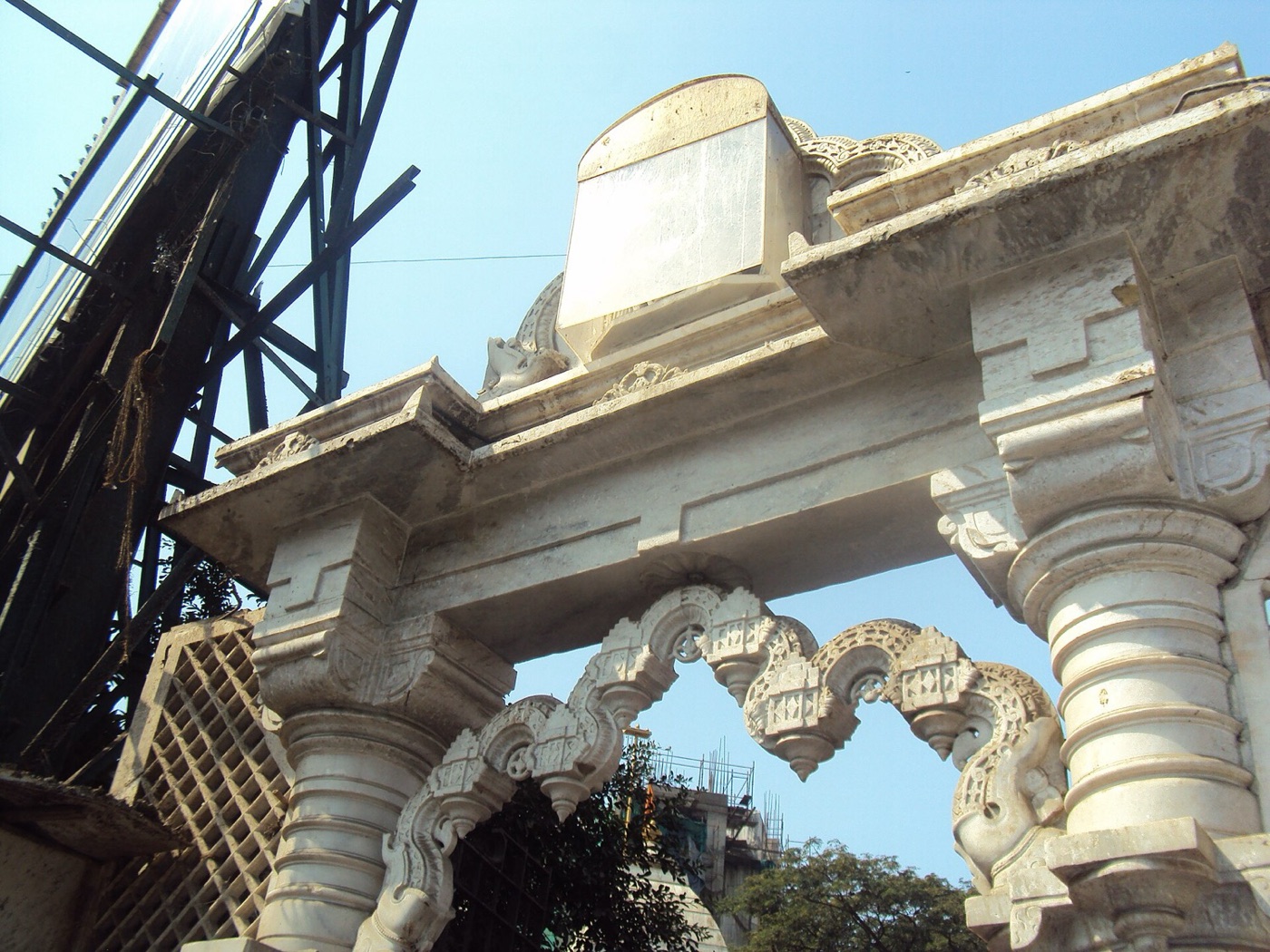
Photo: Karthik Nadar · CC BY-SA 3.0 · via Wikimedia Commons
Mumbai wears its faith on its sleeve. Step off a suburban train at almost any station and within minutes you will pass a temple bell, the call to prayer from a nearby mosque, the quiet stone facade of a church, or the langar hall of a gurudwara. This is a city where a Ganesh pandal, a dargah and a cathedral can share the same postcode, and where people of every background queue up together during festivals. If you want to understand Mumbai beyond its skyline and its street food, its places of worship are the best place to start.
Here is an honest, neighbourhood-by-neighbourhood guide to the temples, mosques, churches and gurudwaras worth your time, with practical notes on when to go, what to expect, and how to behave respectfully.
The essentials at a glance
| Place | Faith | Best time | Nearest station |
|---|---|---|---|
| Siddhivinayak, Prabhadevi | Hindu | Early weekday (avoid Tue) | Dadar / Prabhadevi (W) |
| Mahalakshmi, Mahalaxmi | Hindu | Mornings; Navratri | Mahalaxmi (W) |
| Haji Ali Dargah, Worli | Muslim | Low tide; not peak Fri | Mahalaxmi (W) |
| Mount Mary Basilica, Bandra | Christian | Weekday mornings; Sept fair | Bandra (W) |
| Babulnath, Girgaon | Hindu | Dawn / evening aarti | Charni Road (W) |
| Dadar Gurudwara | Sikh | Any time; Guru Nanak Jayanti | Dadar (W/C) |
Hindu temples you should not miss
Siddhivinayak Temple, Prabhadevi
If Mumbai has one temple everyone from cricketers to film stars visits, it is Shree Siddhivinayak. This Ganesh temple in Prabhadevi draws enormous crowds, especially on Tuesdays, considered auspicious for Ganpati. The idol is famous for its trunk that curves to the right, believed by devotees to be especially powerful.
- Best time to visit: early morning on a weekday for a calmer darshan. Avoid Tuesdays and festival days unless you are ready for very long queues.
- Getting there: nearest stations are Dadar (Western and Central) and Prabhadevi; from Dadar it is a short auto or taxi ride.
- Practical tip: there is a paid VIP/fast-track darshan for a modest amount, useful if you are short on time. Leave your phone and leather items in the cloakroom.
Mahalakshmi Temple, Mahalaxmi
Perched near the sea on Bhulabhai Desai Road, the Mahalakshmi Temple is one of the oldest and most-loved in the city, dedicated to the goddesses Mahalakshmi, Mahakali and Mahasaraswati. The approach lane is lined with stalls selling flowers, coconuts, sweets and glittering offerings, which makes the walk up an experience in itself.
- Best time to visit: mornings, and especially during Navratri, when the temple is beautifully decorated (expect crowds).
- Getting there: Mahalaxmi station on the Western Railway is closest; taxis and autos are easy to find.
- Nearby: combine with the Haji Ali Dargah just down the road for a striking contrast in a single afternoon.
Babulnath Temple, Girgaon
Tucked on a small hill near Girgaon Chowpatty, Babulnath is a serene Shiva temple that feels a world away from the traffic below. A short climb (or a small lift for those who need it) takes you up to the shrine. It is particularly special during Mahashivratri, when devotees throng through the night.
- Best time to visit: early morning or evening aarti for a peaceful atmosphere.
- Getting there: walkable from Charni Road station; close to Marine Drive and Chowpatty.
ISKCON Temple, Juhu
The Sri Sri Radha Rasabihari temple in Juhu, run by ISKCON, is a calm, beautifully maintained marble complex popular with families. The evening kirtans are uplifting even if you are not religious, and the on-site vegetarian food is a draw in its own right.
- Best time to visit: evening aarti, or Janmashtami, when celebrations are spectacular.
- Getting there: in the Juhu area, a short ride from Vile Parle or Andheri stations.
- What to try: the prasad and the pure-veg thali; expect a mid-range spend per person.
Walkeshwar and the Banganga Tank, Malabar Hill
For something older and quieter, head to the Banganga Tank at Walkeshwar on Malabar Hill. This ancient stepped water tank surrounded by small temples and old dharamshalas is one of the most atmospheric corners of South Mumbai, and it occasionally hosts classical music performances. It rewards slow wandering more than a quick tick-off; our Malabar Hill and Walkeshwar guide covers it in full.
Haji Ali and Mumbai’s mosques
Haji Ali Dargah, Worli
Sitting on an islet just off the coast, the Haji Ali Dargah is one of Mumbai’s most recognisable landmarks. A long causeway connects it to the mainland, and at high tide the path can be submerged, so timing your visit around the tide is essential.
- Best time to visit: during low tide; check tide timings before you go. Thursday and Friday evenings are spiritually significant but very busy.
- Getting there: closest to Mahalaxmi station; combine with the Mahalakshmi Temple nearby.
- Etiquette: modest dress is expected. Both women and men visit; head covering is appreciated. The causeway has vendors selling flowers and chadars to offer at the shrine.
Jama Masjid, Crawford Market area
In the bustling heart of the old city near Crawford Market, the Jama Masjid (also Juma Masjid) is a historic congregational mosque with a distinctive layout built over a water tank. It is a working mosque at the centre of a lively wholesale market district, so a visit pairs naturally with exploring the surrounding lanes.
- Best time to visit: outside the five daily prayer times if you are visiting as a sightseer; be especially considerate around Friday prayers.
- Getting there: near CSMT (Chhatrapati Shivaji Maharaj Terminus); walkable through the market area.
- Etiquette: dress modestly, remove shoes before entering, and avoid the prayer congregation unless you are there to pray.
Churches with history and calm
Mount Mary Church (Basilica of Our Lady of the Mount), Bandra
Perched on a hill in Bandra, Mount Mary is one of Mumbai’s most visited churches, drawing people of all faiths. The annual Bandra Fair (Bandra Feast) in September is a joyous week-long affair with stalls, sweets and huge crowds. The view and the sea breeze make it worth the climb even on an ordinary day.
- Best time to visit: weekday mornings for quiet; September for the full carnival experience.
- Getting there: Bandra station, then an auto up the hill; the walk from Bandstand is pleasant too.
- What to see: the wax candles shaped like body parts and objects, offered by devotees praying for specific intentions, are a fascinating local tradition.
St. Andrew’s Church, Bandra
Not far away, the old Portuguese-era St. Andrew’s is a lovely, understated church in Bandra’s charming lanes. Pair it with a walk through the Ranwar and Chapel Road area to see the East Indian heritage cottages and street art.
Afghan Church (St. John the Evangelist), Colaba
In Colaba, the Afghan Church is a striking Gothic-style structure built in memory of soldiers who died in the First Afghan War. Its tall spire, stained glass and quiet interior make it a peaceful stop in the middle of a busy tourist district.
- Getting there: in the Navy Nagar/Colaba area, a short ride from CSMT or a walk from the Gateway of India.
St. Thomas Cathedral, Fort
The oldest Anglican church in the city, St. Thomas Cathedral in Fort is a serene white building surrounded by heritage architecture. It gives its name to the nearby Churchgate area. Step inside for the cool calm and the old memorial plaques that read like a slice of colonial history.
Gurudwaras and the spirit of seva
Dadar Gurudwara (Guru Nanak Darbar), Dadar
Mumbai’s Sikh gurudwaras welcome everyone, and the langar (community kitchen) tradition means anyone can sit and share a simple meal regardless of background. The Dadar gurudwara is central and easy to reach, and it embodies the spirit of seva (selfless service) that defines Sikh worship.
- Etiquette: cover your head (cloths are usually available at the entrance), remove your shoes, and wash your hands and feet. Sit on the floor in the prayer hall.
- Langar: free community meals are served; eat with humility and gratitude rather than treating it as a free buffet.
Sion and central-suburb gurudwaras
Several neighbourhoods including Sion and the wider central suburbs have active gurudwaras where the Guru Granth Sahib is read and kirtan fills the hall. Guru Nanak Jayanti is the most vibrant time to visit, with processions and langar on a large scale.
Festivals worth timing your visit around
Mumbai’s places of worship are at their most alive during festivals, though the crowds multiply:
- Ganesh Chaturthi (Aug–Sep) transforms the whole city; Siddhivinayak and the neighbourhood pandals are the heart of it.
- Navratri (Sep–Oct) lights up Mahalakshmi and the Gujarati garba grounds.
- Bandra Fair (Sep) turns the Mount Mary hill into a week-long carnival.
- Mahashivratri brings all-night devotion to Babulnath.
- Guru Nanak Jayanti fills the gurudwaras with kirtan and langar.
Visiting etiquette: a quick guide for everyone
Wherever you go, a little respect goes a long way:
- Dress modestly. Cover shoulders and knees. For mosques, dargahs and gurudwaras, covering the head is expected or appreciated.
- Remove footwear before entering shrines; most places have a cloakroom or shoe stand for a nominal fee.
- Photography is often restricted inside sanctums; look for signs or ask before you shoot.
- Queues and darshan lines can be long at popular temples; carry water and avoid the midday heat.
- Offerings like flowers, coconuts and sweets are sold outside for small amounts; you are never obliged to buy.
- Silence your phone, avoid pointing your feet at deities, and follow the lead of regular worshippers if you are unsure.
Planning your visit
You do not need to be religious to appreciate Mumbai’s places of worship; they are living museums of the city’s history, art and generosity. If you have only a day, pair the Mahalakshmi Temple and Haji Ali in the morning, then head to Bandra for Mount Mary in the afternoon. With more time, add Siddhivinayak on a non-Tuesday and a quiet evening at Banganga. Go early to beat both the crowds and the heat, carry small cash for offerings and cloakrooms, dress respectfully, and check festival calendars and tide timings before you set out. Do that, and these sacred spaces will show you a side of Mumbai that no skyline ever could.
Frequently Asked Questions
Which is the most famous temple to visit in Mumbai?
Shree Siddhivinayak in Prabhadevi, the Ganesh temple visited by cricketers, film stars and huge daily crowds. Tuesdays are busiest; go early on a weekday for a calmer darshan, or use the paid fast-track option.
When should I visit Haji Ali Dargah?
During low tide, because the causeway connecting the islet shrine to the mainland submerges at high tide. Check the day's tide timings first; Thursday and Friday evenings are spiritually significant but very crowded.
What should I wear to visit temples and mosques in Mumbai?
Dress modestly, covering shoulders and knees. For mosques, dargahs and gurudwaras, covering your head is expected or appreciated. Remove footwear before entering, and leave leather items in the cloakroom where asked.
Can non-Hindus and tourists visit these places of worship?
Yes, the great majority welcome visitors of all faiths, including gurudwara langars open to everyone. Be respectful during prayer times, follow posted photography rules, and take the lead from regular worshippers if unsure.