
Where to Stay in Mumbai: Best Areas to Base Your Trip
Colaba, Bandra, Juhu, BKC or the airport belt? A Mumbai local compares the best areas to base your trip by commute, cost, vibe, sights, metro links and budget.
'%3E%3Crect%20width%3D'96'%20height%3D'96'%20fill%3D'%23E65100'%2F%3E%3Ccircle%20cx%3D'30'%20cy%3D'24'%20r%3D'44'%20fill%3D'%23fff'%20opacity%3D'.12'%2F%3E%3Ccircle%20cx%3D'60'%20cy%3D'74'%20r%3D'40'%20fill%3D'%23000'%20opacity%3D'.10'%2F%3E%3C%2Fg%3E%3Cg%3E%3Ccircle%20cx%3D'48'%20cy%3D'48'%20r%3D'15'%20fill%3D'none'%20stroke%3D'%23fff'%20stroke-width%3D'3'%2F%3E%3Cpath%20fill%3D'%23fff'%20d%3D'M48%2037%20l3.5%2011%20-3.5%2011%20-3.5%20-11%20z'%2F%3E%3Ccircle%20cx%3D'48'%20cy%3D'48'%20r%3D'2.2'%20fill%3D'%23fff'%2F%3E%3C%2Fg%3E%3C%2Fsvg%3E)
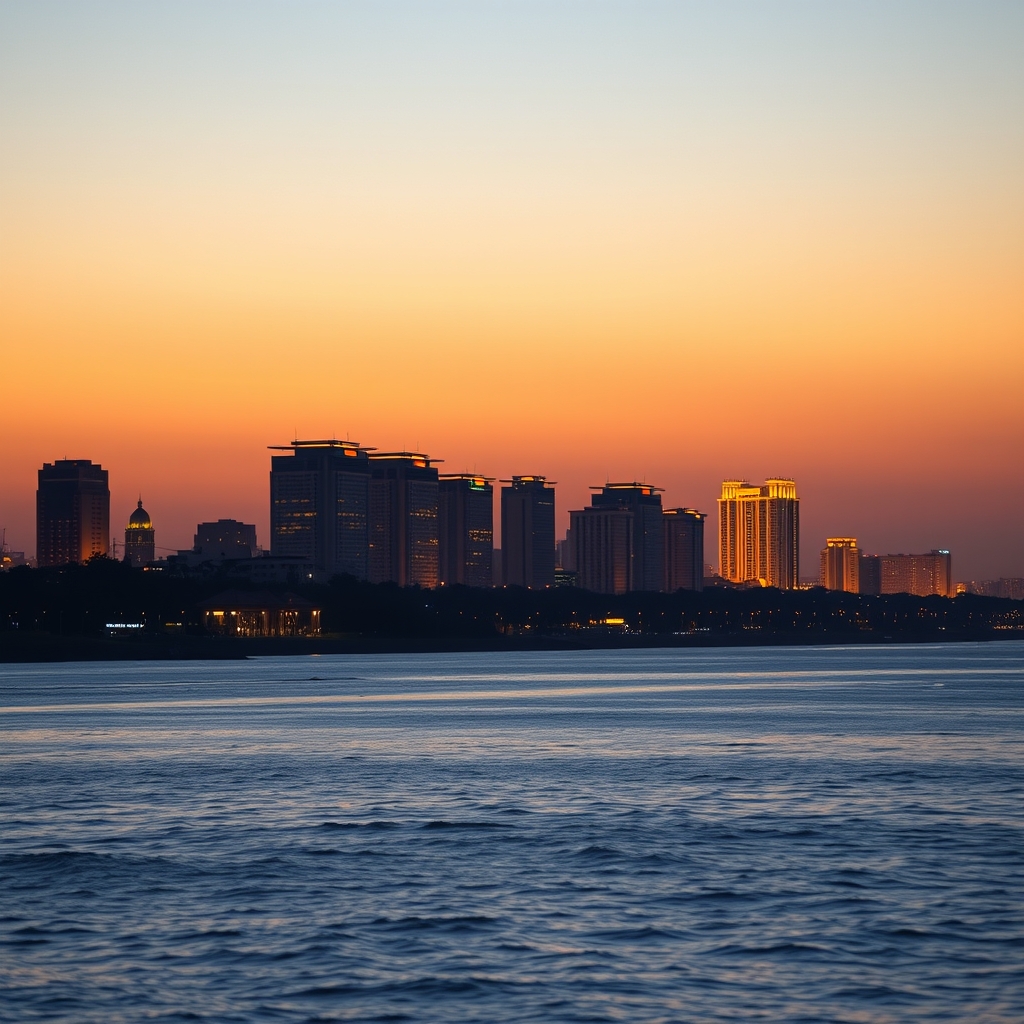
Photo: Wikimedia Commons · CC BY-SA 2.0 · via Wikimedia Commons
Mumbai is long, thin and permanently in traffic — so where you sleep quietly decides how much of the city you actually see. The airport sits in the middle of the peninsula, the big sights cluster at the southern tip, and between them lies a commute that can swing from forty minutes to two hours on the very same road. For a first trip the honest question isn’t “which hotel?” but “which neighbourhood?”, because the right base turns Mumbai into a walkable pleasure and the wrong one turns it into a car park.
The good news is that the choice is not really about luxury versus budget — every area here has a hostel bed and a marble lobby, and our separate rundowns of budget hotels and luxury hotels hold across all of them. The choice is about geography and rhythm: how far you want to be from the icons, how much street life you want at your door, and how you plan to move around. Here is how the main areas actually compare — by commute first, vibe second — and how two recent transport changes have quietly redrawn the map.
Quick reference: Mumbai neighbourhoods compared
Airport times are rough and traffic-dependent; the new Metro Line 3 makes the southern areas far more viable than a cab time suggests. Budgets are indicative double-room ranges for a decent mid-range hotel in dry season, before you climb into the five-stars.
| Area | Best for | Vibe | Airport (CSMIA) | Rough nightly ₹ |
|---|---|---|---|---|
| Colaba / Fort | First-timers, sights on foot | Heritage, atmospheric | 45 min–2 hrs (Metro 3) | 1,500 hostel → 6,000+ |
| Bandra West | Longer stays, food & nightlife | Cool, liveable | ~30–40 min | 4,000 → 12,000 |
| Juhu | Beach, families, downtime | Relaxed, seaside | ~20 min | 4,000 → 15,000 |
| BKC | Business, conferences, NMACC | Polished, corporate | ~30 min | 8,000 → 20,000+ |
| Airport belt (Andheri E) | Early flights, layovers | Transit zone | 5–15 min | 3,500 → 10,000 |
| Powai | Quiet work trips, long stays | Green, planned | ~20–30 min | 4,000 → 10,000 |
Treat those bands as a starting point, not a quote. Rates roughly double over Diwali and Christmas–New Year, dip hard in the monsoon, and swing wildly with how far your window is from the sea. If you want the full spread of areas and what each is like to live in, our Mumbai neighbourhoods guide goes wider than a hotel-hunt.
First, the thing that decides everything
Mumbai runs north to south along a narrow strip. Chhatrapati Shivaji Maharaj International Airport (CSMIA) is roughly in the middle, in Andheri East; the postcard Mumbai — the Gateway of India, Marine Drive, the heritage quarter — is at the far south, about 22 km and anywhere from 45 minutes to a punishing two hours away by cab. That single fact quietly governs everything else. A hotel that looks “central” on a flat map can be an hour of stop-start traffic from the thing you actually flew in to see, and two hotels 20 km apart can feel next door or half a day apart depending only on the clock.
Two recent changes have softened that arithmetic. The Coastal Road opened in March 2024 and now links Marine Drive to the Bandra–Worli Sea Link, cutting the Worli-to-South-Mumbai run to under ten minutes. And in October 2025 the fully underground Metro Line 3 (the Aqua Line) opened end to end, running from Aarey in the north down through both airport terminals, BKC and on to Cuffe Parade in South Mumbai — 27 stations, fares of just ₹10–80, and a covered walkway straight from the T2 station into the terminal. For the first time you can ride from the airport to the edge of Colaba underground, skipping the traffic entirely. Keep both in mind as you read on: they quietly make the southern neighbourhoods far more viable than they were a couple of years ago. If the mechanics of getting from the terminal to your hotel matter to you, our airport-to-city transport guide walks through the metro, prepaid taxis and app cabs in detail.
The neighbourhoods, base by base
Read these in order — they run roughly from the historic south up to the airport belt, which is also the order most first-timers should weigh them in.
Colaba and Fort — the historic front door
Area: South Mumbai (SoBo), the southern tip. This is the classic first-timer’s base and, for a short trip, usually the right one. Colaba holds the Gateway of India, the Taj Mahal Palace, the long bargain-hunt of Colaba Causeway and old cafés like Leopold and Mondegar; walk north into Fort and Kala Ghoda and you get art galleries, bookshops, the Victorian-Gothic pile of CSMT and the seafront sweep of Marine Drive at Nariman Point. Almost everything a first visitor comes to see is within a walkable, taxi-hop radius, which no other area can claim — you can genuinely do a full day here on foot, which is worth real money in a city this size.
Stays run the full range. At the bottom, backpacker guesthouses and dorms start around ~₹1,500–2,500 a night, clustered in the lanes behind the Causeway. In the middle sit older mid-range hotels and heritage boutiques — the lovely 25-room Abode Bombay, in a restored 1910 building, is the poster child, and there are more in the same vein in our boutique and heritage hotels rundown. At the top are the grand dames: the Oberoi and Trident on Marine Drive and the Taj itself, where a harbour-facing room is one of Mumbai’s great splurges (see sea-view hotels if that’s the trip you’re planning). One honest caveat: Colaba is atmospheric but old, so a “heritage” room can mean charming or simply tired — read recent reviews, and if you care about a lift, quiet and modern plumbing, say so when you book.
Practical tip: it is the farthest base from the airport, so time your arrival and departure for off-peak hours, or use the new Metro Line 3 to Cuffe Parade instead of a rush-hour cab.
Bandra West — the cool middle ground
Area: Western suburbs, roughly halfway up. “The Queen of the Suburbs” is where Mumbai feels most liveable, and it’s our default recommendation for anyone staying more than a few days. Expect leafy lanes, sea-facing promenades at Carter Road and Bandstand, the street art of Chapel Road, the shopping crush of Linking Road, and the city’s densest concentration of cafés and bars around Hill Road and Pali Naka. This is where you eat and drink best — the Bandra food trail and the neighbourhood’s bars and nightlife are reason enough to base here — and it has the everyday neighbourhood texture that South Mumbai’s tourist core lacks.
Crucially it is better placed than Colaba. The Bandra–Worli Sea Link and Coastal Road put you around 40 minutes from the southern sights, you are close to BKC and the airport, and Bandra station puts you on the local-train network. The landmark stay is Taj Lands End out at Bandstand, with sweeping sea and Sea Link views; below it sit dozens of boutique hotels, serviced flats and guesthouses, though genuine budget beds are thinner on the ground here than in Colaba. For a fuller picture of the area’s lanes and where the good ones are, see the Bandra neighbourhood guide.
Practical tip: base here if you are staying more than three days, or if you care about food and evenings out more than ticking off monuments.
Juhu — the beach base
Area: Western suburbs, north of Bandra. Juhu is the beach-holiday version of Mumbai: a long shore, sunset crowds and chaat stalls, the ISKCON temple and the intimate Prithvi Theatre nearby, and a long association with the film industry — many stars still live in the lanes just back from the sand. It is an easy ~20 minutes and 7–8 km from the airport, which makes it one of the softest landings in the city after a long-haul flight. The anchors sit right on the beach — the JW Marriott and the Sun-n-Sand, India’s first five-star beachfront hotel, open since 1962 — with mid-range hotels and cheaper guesthouses a street or two back from the water.
Juhu is the pick if downtime is the point of the trip, and it’s especially kind to families: space to run, a beach on the doorstep and a short airport run all count for a lot with young children. If that’s you, weigh it against our list of family-friendly hotels, several of which are up here. The trade-off is distance: you are a long haul from the southern sights, so treat Colaba as a day trip rather than an evening whim.
Practical tip: lovely for a relaxed or family stay, but you are a long haul from the southern sights, so pair it with Bandra outings rather than daily runs down to Colaba.
BKC — the corporate island
Area: Bandra Kurla Complex, between Bandra and the airport. BKC is Mumbai’s purpose-built business district: glass towers, consulates, five-stars like the Trident and Sofitel, the Jio World shopping precinct and the Nita Mukesh Ambani Cultural Centre (NMACC) for big-name shows and exhibitions. It is central-ish — around 30 minutes to the airport — and now a genuine transit hub, sitting on Metro Line 3, which makes hopping to South Mumbai or the terminals painless. What it does not have is street life or soul: it is planned, polished and largely dead after office hours, with almost nothing to walk to once the towers empty.
Practical tip: ideal if you are here for work, a conference or an NMACC event; skip it if this is a sightseeing trip, as you will spend every evening travelling out. If you like a business-district feel but want a little more life around it, the mills-turned-highrises of Lower Parel and Worli are a livelier alternative with better restaurants and quick Coastal Road access south.
The airport belt — Andheri East and Sahar
Area: around the terminals, Andheri East. The cluster of hotels within minutes of T2 — the JW Marriott Sahar, the Hilton, the ITC Maratha, the Lemon Tree Premier and the in-terminal Niranta transit hotel — exists for one job: catching an early flight or breaking a layover without a stressful dawn dash. It is convenient, well served by the new metro, and that is about it: a business-and-transit zone with no sights and plenty of traffic. Book the free shuttle or confirm the walking route in advance, because “near the airport” in Mumbai can still mean a slow ten-minute crawl around the perimeter road at the wrong hour. Our roundup of hotels near Mumbai airport covers the specific properties and which terminal each suits.
Practical tip: book here only for the night before a flight or a short transit; for an actual holiday, sleep somewhere with a view and commute to the airport.
Powai — the quiet alternative
Area: north-east, around Powai Lake. If none of the headline areas fit, Powai is the sleeper pick for business travellers and longer, low-key stays: a planned lakeside enclave around Powai Lake and IIT Bombay, with solid hotels (the Renaissance on the lake among them), leafy streets and a strong restaurant scene. It’s well off the tourist trail and a haul from the southern sights, but calm, green and handy for the eastern business corridor and the airport. Choose it for a work trip or a relaxed extended stay rather than sightseeing — and read the Powai neighbourhood guide before you commit, because its charm is quiet and residential rather than obvious.
How to read the price bands
Rates in Mumbai move more with the calendar and the view than with the star rating, so it helps to translate the bands in the table into rough tiers before you filter a booking site:
- Under ₹2,500 — hostels and basic guesthouses. Realistic mainly in Colaba, Fort and the further suburbs. Expect a bed, a fan or a rattly AC and character over comfort. Read recent reviews carefully.
- ₹3,000–6,000 — solid mid-range. The sweet spot in most areas: a clean, modern room, reliable AC and Wi-Fi, often a chain you’ll recognise. In the suburbs this buys more space than the same money does in the south.
- ₹6,000–12,000 — upper mid-range and four-stars. Sea-view or business-standard rooms, a pool, a proper breakfast. This is where Bandra, Juhu and BKC live comfortably.
- ₹12,000 and up — five-stars and the grand heritage hotels. The Taj, the Oberoi, the beachfront Marriotts. A harbour- or sea-facing room is the real premium here, and it’s worth it once.
Two multipliers sit on top of all of that: season, which can nearly double these numbers over Diwali and the Christmas–New-Year peak and slash them in the monsoon; and the sea view, which routinely adds a third or more to an otherwise identical room. If you’ll be in town a week or more, don’t overlook a serviced apartment — kitchen, laundry and far better value by the night than a hotel — which we cover in the service apartments guide.
A quick way to choose
- First trip, three days or fewer, want the icons on foot — Colaba/Fort.
- Longer stay, love cafés, food and nightlife — Bandra West.
- Beach, downtime, travelling with family — Juhu.
- Business, a conference or NMACC — BKC.
- Early flight or layover only — the airport belt.
- Quiet work trip or a long, low-key stay — Powai.
And if you can’t decide between the south and the suburbs, don’t force it: split the trip. Two or three nights in Colaba for the icons, then three in Bandra for the food and the evenings, is the itinerary we quietly recommend most. You see the postcard city fresh and unhurried, then decamp to where Mumbai actually lives — and you save yourself the daily cross-town haul that ruins so many first trips. Line the split up with a plan of things to do so each base covers the sights nearest to it.
Getting around once you’ve chosen
Your base only pays off if you use the right transport out of it. Mumbai gives you four workable options, and the smart traveller mixes them — our full getting around Mumbai guide goes deeper, but here’s the shape of it:
- Metro (especially Line 3): the game-changer. The underground Aqua Line links the airport, BKC and South Mumbai, is air-conditioned, and sidesteps the traffic entirely — fares are ₹10–80. If your hotel is near a station, this is almost always your fastest bet across the city.
- Local trains: the fast, cheap spine of the suburbs (Western, Central, Harbour lines), but genuinely crowded at rush hour and not first-timer-friendly with luggage. Great for a Bandra-to-Churchgate hop once you’ve found your feet; avoid the 8–11am and 6–9pm crushes. The local train guide explains the lines, first-class carriages and the ladies’ compartment before you brave a platform.
- App cabs and autos (Uber, Ola): the default for door-to-door, but subject to the very traffic you’re trying to escape and to surge pricing on rainy evenings. Autos aren’t allowed south of roughly Bandra/Sion, so in South Mumbai it’s taxis (the black-and-yellow “kaali-peeli”) or app cabs only.
- On foot: underrated in the right areas. Colaba–Fort–Kala Ghoda and much of Bandra West are genuinely walkable, which is exactly why they make such good bases.
The practical upshot: pick a hotel within a short walk of a Metro Line 3 station or a major local-train station, and Mumbai’s distances shrink dramatically. A “far” southern base that’s a two-minute walk from a metro entrance now beats a “central” one marooned on a traffic-choked road. Book by the metro map, not the road map.
Booking smart: season and the monsoon
When you come matters almost as much as where you sleep. October to March is the pleasant, dry window and the peak for rates; book well ahead for anything over Diwali or the Christmas–New-Year fortnight, when the good hotels fill and prices spike. April and May are hot and sticky but quieter and cheaper. The monsoon (June to September) is the wild card: genuinely dramatic, the cheapest season by far, and — if you don’t mind rain — a wonderful time to watch the city from a sea-facing window. The catch is flooding. The low-lying suburbs and older railway lines take the brunt of a heavy downpour, so favour better-drained, well-connected areas, keep your plans flexible, and don’t schedule a tight airport connection on a red-alert day. Our monsoon in Mumbai guide covers what the rains actually do to travel, and the Marine Drive and beaches run is at its moody best once the clouds roll in.
Whatever the season, time your airport transfers off-peak. An early-morning or late-night cab down to Colaba is a different animal from a 6pm one, and the metro removes the gamble entirely if your hotel is near a station.
The short version
Pick your Mumbai base by commute first and vibe second. For a first, short trip, Colaba and Fort put the whole postcard city at your feet and — thanks to the new metro — no longer strand you far from the airport. Stay longer or travel for the food and you will be happier in Bandra; want the beach or a family stay, choose Juhu; here for business, BKC or Lower Parel; on a quiet work trip, Powai; catching a flight, the airport belt. Match the neighbourhood to the trip, book near a metro or train station, and Mumbai stops being a traffic problem and starts being one of the most rewarding cities in the world to wander.
Frequently Asked Questions
Which area is best for a first-time visitor to Mumbai?
Colaba, or the adjoining Fort and Marine Drive stretch. You can walk to most of the headline sights — the Gateway of India, the Taj, Colaba Causeway, CSMT and Marine Drive — taxis are everywhere, and it's the most atmospheric introduction to the city for a short trip.
Is it a mistake to stay far south in Colaba when the airport is up north?
Less than it used to be. A rush-hour cab from the airport to Colaba can still take well over an hour, but the underground Metro Line 3 now runs from both terminals to Cuffe Parade for a few rupees, so just plan your airport transfers around the metro rather than a cab.
Where should I stay in Mumbai on a tight budget?
Colaba and Fort have backpacker guesthouses from around ₹1,500–2,500 a night, and the suburbs (Andheri, parts of Bandra) have clean chain and budget hotels for less. June to August is the monsoon low season and the cheapest time to book across the city.
Bandra or Colaba — which is better to stay in?
Colaba for sights and heritage on a shorter trip; Bandra for cafés, nightlife and a more local, liveable feel on a longer one. The Bandra–Worli Sea Link and Coastal Road have made travelling between the two much quicker than it once was — around 40 minutes.
When is the best time to visit Mumbai?
October to March is the pleasant, dry window and the peak season for rates. The monsoon (June to September) is dramatic and cheap but brings heavy rain and occasional flooding, especially in the low-lying suburbs. Book early for the dry-season peak.
Which area is best if I'm in Mumbai for business?
BKC (Bandra Kurla Complex) — it's the purpose-built business district with glass towers, consulates, five-stars and the NMACC cultural centre, now on Metro Line 3. It's central-ish and well-connected, though it's planned and largely dead after office hours, so skip it for a sightseeing trip.