

Starring
The story
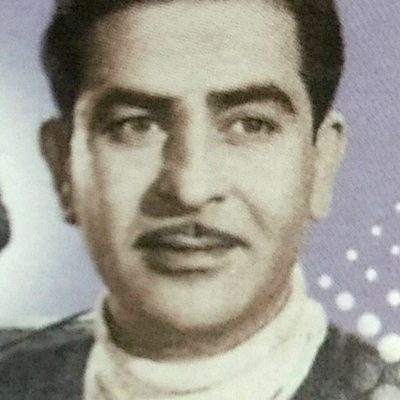
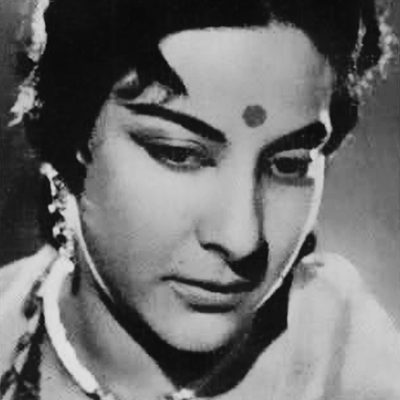
Awaara ("The Vagabond") premiered on 14 December 1951, produced and directed by Raj Kapoor for his young RK Films banner and written by the progressive team of Khwaja Ahmad Abbas and V.P. Sathe. It follows Raj, a petty thief raised in Bombay's slums, whose life is knotted together with two others: Rita, the poised, well-schooled woman he loves (Nargis), and Judge Raghunath (Prithviraj Kapoor), a pillar of respectability who does not know that the young criminal standing in his courtroom is his own abandoned son.
At its heart the film is an argument about nature versus nurture. Raghunath lives by the conviction that good people are born of good families and criminals of criminals, the same reasoning that once led him to cast out his pregnant wife on a mere suspicion of dishonour. The son who then grows up fatherless and hungry, pulled into crime by the outlaw Jagga (K.N. Singh), becomes the living rebuttal to that creed. Wrapped in romance and courtroom melodrama, it was pointed social cinema for a newly independent India.
Making of the film
Awaara is a cornerstone of the Kapoor screen dynasty: three generations of the family appear in it together. Prithviraj Kapoor plays the severe judge and father to the tramp played by his real-life son Raj; Raj's younger brother Shashi Kapoor appears as the boy Raj in the childhood passages; and Prithviraj's own father, Dewan Basheshwarnath Kapoor, took a small role in what would be his only screen appearance. Off screen, Raj Kapoor and Nargis were one of Hindi cinema's most storied pairings, and the film cemented Raj's Chaplinesque "little man" persona.
The production's most ambitious set piece was a roughly nine-minute dream sequence, widely described as the first extended dream sequence in Indian cinema. Built from swirling clouds, spiralling staircases and towering idols and structured as an Earth–Hell–Heaven journey through the hero's guilt and longing, it reportedly took around three months to shoot, an extravagance that announced the technical ambition of RK Films.
The music
The score by the young composer duo Shankar–Jaikishan, with lyrics by Shailendra and Hasrat Jaipuri, became a phenomenon in its own right and is often cited as the best-selling Hindi film soundtrack of the 1950s. The title song "Awaara Hoon" ("I am a vagabond"), sung by Mukesh as Raj Kapoor's screen voice, grew into one of the most widely recognised Indian songs in the world.
The great dream sequence carried the album's showpieces, including Lata Mangeshkar's ethereal "Ghar Aaya Mera Pardesi." Shamshad Begum's playful "Ek Do Teen" rounded out a soundtrack whose melodies turned into street anthems far beyond India's borders.
From Mumbai to Moscow
True to the phrase, Awaara became a global sensation from Mumbai to Moscow. In India it was a colossal hit, reported to have grossed around 2.1 crore rupees and to have stood as the country's highest-grossing film up to that point. Its afterlife abroad was even more remarkable.
Dubbed into Russian and released in the Soviet Union in 1954, it drew tens of millions of viewers, commonly estimated in the range of sixty-plus million on its initial run and around a hundred million counting re-releases, and "Awaara Hoon" was hummed on Soviet streets in translation as "Brodyaga." The film was a comparable sensation in China, the Middle East, Turkey and Eastern Europe, its underdog, pro-poor sympathies travelling easily across the socialist world.
Awaara was nominated for the Grand Prize at the 1953 Cannes Film Festival, and it has since been enshrined as a classic, with TIME magazine placing it among the great films of world cinema and singling out Raj Kapoor's performance. More than seventy years on, it remains the film that carried Bombay's cinema to the world.
Key details
| Release year | 1951 |
|---|---|
| Language | Hindi |
| Director | Raj Kapoor |
| Writer | Khwaja Ahmad Abbas |
| Genre | Social Drama |
| Starring | Raj Kapoor, Nargis, Prithviraj Kapoor |
Did you know?
- Three generations of the Kapoor family appear on screen: Prithviraj Kapoor as the judge, his real-life son Raj Kapoor as the vagabond, and Prithviraj's own father, Basheshwarnath Kapoor, in a small part that was the only film role of his life.
- The roughly nine-minute dream sequence set to "Ghar Aaya Mera Pardesi" is often called the first elaborate dream sequence in Indian cinema and reportedly took about three months to shoot.
- "Awaara Hoon," sung by Mukesh, became so popular in the USSR that Russians sang it in translation as "Brodyaga," and Raj Kapoor became a household name across the Soviet Union.
- Released in the Soviet Union in 1954, Awaara drew tens of millions of cinemagoers, among the largest audiences any foreign film had ever had there.
- The film was nominated for the Grand Prize (the honour later renamed the Palme d'Or) at the 1953 Cannes Film Festival.
- Screenwriter Khwaja Ahmad Abbas was a noted progressive writer and journalist, and the film's pro-poor, nature-versus-nurture message reflected that sensibility.
Frequently Asked Questions
What is the 1951 film Awaara about?
Awaara follows Raj, a young pickpocket raised in Bombay's slums, who falls in love with the well-bred Rita (Nargis) and is eventually tried before Judge Raghunath (Prithviraj Kapoor), who does not realise the accused is the son he cast out years earlier. It is a social drama built around the question of nature versus nurture: whether a man turns to crime by birth or by circumstance. Directed by and starring Raj Kapoor, it blends romance, courtroom melodrama and pointed social comment.
What does "Awaara" mean, and who sang "Awaara Hoon"?
"Awaara" means vagabond, tramp or vagrant, and the film is known in English as The Vagabond. The signature song "Awaara Hoon" ("I am a vagabond") was sung by the playback legend Mukesh as Raj Kapoor's screen voice, with music by Shankar–Jaikishan and lyrics by Shailendra. It went on to become one of the most internationally recognised Hindi film songs ever recorded.
Why was Awaara so popular in the Soviet Union and China?
Dubbed and released across the socialist world in the mid-1950s, Awaara's story of a poor outsider battling a rigid, class-bound establishment resonated powerfully with audiences there. In the Soviet Union it drew tens of millions of viewers and made Raj Kapoor a genuine star, with "Awaara Hoon" sung in Russian as "Brodyaga." It was likewise a massive hit in China, the Middle East and Eastern Europe.
Are Raj Kapoor and Prithviraj Kapoor really related?
Yes. Prithviraj Kapoor was Raj Kapoor's real-life father, and in Awaara they play an estranged father and son, which lent their courtroom confrontation an unusual real-world charge. The film in fact features three generations of the Kapoor family, since Prithviraj's own father, Basheshwarnath Kapoor, also appears, while Raj's younger brother Shashi Kapoor plays the hero as a boy.
Did Awaara win any awards at Cannes?
Awaara was nominated for the Grand Prize, then the festival's top honour and later renamed the Palme d'Or, at the 1953 Cannes Film Festival, but it did not win. Its global standing came less from trophies than from its extraordinary popular success abroad and its lasting critical reputation. TIME magazine has since ranked it among the great films of world cinema.
Reference: Wikipedia
← Back to the Bollywood Hub