

Starring
The story
Released on 24 January 1975, Deewaar ("The Wall") is a Hindi crime drama directed by Yash Chopra and written by the celebrated screenwriting duo Salim-Javed. It follows two brothers raised in poverty on Bombay's pavements after their union-leader father is disgraced and their mother, Sumitra, raises them alone. The elder, Vijay (Amitabh Bachchan), carries the scar of a childhood humiliation — the words "Mera baap chor hai" ("My father is a thief") tattooed on his arm — and grows from dockyard coolie into a feared smuggler. The younger, Ravi (Shashi Kapoor), takes the honest path and becomes a police officer.
The wall of the title is the moral and emotional divide that rises between them, until the state assigns Ravi to bring his own brother down. Around this spine the film hangs a mother torn between her sons, a nightclub romance with Anita (Parveen Babi), and a running motif of a talismanic badge numbered 786. Without spoiling its famous final act, Deewaar drives its two brothers toward a confrontation on the steps of a temple and a reckoning that Indian audiences have quoted for fifty years.
The angry young man arrives
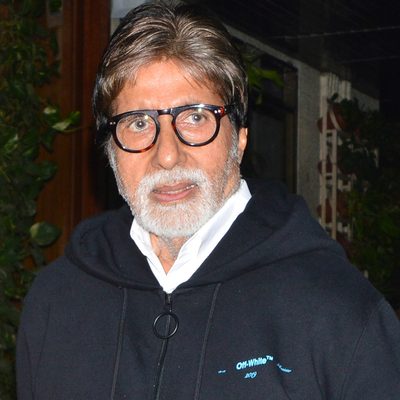
Deewaar is the film most often credited with crowning Amitabh Bachchan as Hindi cinema's "Angry Young Man." His Vijay is not a conventional villain but a wounded idealist turned outlaw — a man who refuses to pick up money thrown at his feet and who channels the frustration of the urban poor into cold, controlled fury. The performance arrived at a charged moment in Indian history, just as the Emergency was declared, and it gave voice to a generation's anger at a system that seemed rigged against the honest.
Shashi Kapoor, playing the quieter, dutiful brother, holds his own against Bachchan's storm, and delivers the single most quoted line in Indian film. When Vijay lists his wealth — buildings, property, a car, a bank balance — and asks what his brother has, Ravi answers simply, "Mere paas maa hai" ("I have Mother"). Nirupa Roy, as the suffering mother Sumitra, and Parveen Babi complete an ensemble whose performances the Filmfare jury and critics singled out for praise.
Salim-Javed and the making
The film's enduring power rests heavily on its screenplay and dialogue by Salim Khan and Javed Akhtar, then the most bankable writers in the industry. Their story reworked the mother-and-two-sons template of classics like Mother India and Gunga Jumna into contemporary Bombay, and drew loosely on the aura of real-life smuggler Haji Mastan for Vijay's rise from the docks. Their terse, rhythmic lines — designed to be repeated in cinema stalls — turned the film into a quotable landmark.
Yash Chopra, better known for lush romances, directed against type here with a lean, hard-edged urban thriller produced by Gulshan Rai. Bachchan famously shot Deewaar during the same crowded stretch that he was filming Ramesh Sippy's Sholay, meaning 1975 delivered two of his defining roles almost at once. The confrontation staged at a temple would later be recreated shot-for-shot as an homage by admiring filmmakers abroad.
Music
The score was composed by R. D. Burman with lyrics by Sahir Ludhianvi, and it is notable as one of the rare Yash Chopra productions to feature no vocals by Lata Mangeshkar. Deewaar is a dialogue-driven drama rather than a song-heavy musical, so the soundtrack is lean, but the romantic duet "Keh Doon Tumhe" — picturised on Bachchan and Babi — became a lasting favourite and a chartbuster of its day.
1975 was the peak of Burman's career: the same year he scored Sholay, Aandhi, Khushboo and Khel Khel Mein, among others, cementing his reputation as the most versatile composer of the era.
Legacy and box office
Deewaar was a major commercial success, widely reported to have grossed around ₹75 million and ranking among the highest-earning Hindi films of 1975 (a year dominated at the very top by Sholay). At the 23rd Filmfare Awards it swept the ceremony, taking Best Film along with Best Director for Yash Chopra, Best Supporting Actor for Shashi Kapoor, and awards for the Salim-Javed story, screenplay and dialogue — seven wins in all, with further nominations including Best Actor for Bachchan.
Half a century on, the film is treated as a canonical text of Indian cinema. It is one of a small handful of Hindi films included in the reference book 1001 Movies You Must See Before You Die, and director Danny Boyle has cited it as a key influence, restaging its temple confrontation in Slumdog Millionaire. Its template of the brooding, anti-establishment hero shaped Bollywood's action heroes for decades and remains the definitive statement of the Angry Young Man archetype.
Key details
| Release year | 1975 |
|---|---|
| Language | Hindi |
| Director | Yash Chopra |
| Genre | Crime Drama |
| Starring | Amitabh Bachchan, Shashi Kapoor, Nirupa Roy |
Did you know?
- The line "Mere paas maa hai" ("I have Mother"), written by Salim-Javed and spoken by Shashi Kapoor, is regularly voted one of the most famous dialogues in the history of Indian cinema.
- Amitabh Bachchan shot Deewaar during the same period he was filming Sholay, so 1975 gave audiences two of his career-defining roles almost simultaneously.
- Vijay's badge numbered 786 is a deliberate motif: in South Asian Muslim tradition 786 is a numerological stand-in for the invocation "Bismillah," and the badge functions as a protective talisman in the story.
- The screenplay was inspired in part by the mystique of real-life Bombay smuggler Haji Mastan, reworking the mother-and-two-sons theme of earlier classics like Mother India and Gunga Jumna into a modern city setting.
- The R. D. Burman soundtrack is one of the very few Yash Chopra films that features no playback vocals by Lata Mangeshkar.
- Director Danny Boyle has called Deewaar central to Indian cinema and paid homage to it in Slumdog Millionaire (2008), recreating its famous temple confrontation.
Frequently Asked Questions
Is Deewaar based on a true story?
It is not a direct biopic, but Salim-Javed drew loosely on the aura of real Bombay underworld figures, most notably the smuggler Haji Mastan, for Vijay's rise from dockyard coolie to crime boss. The emotional framework — a widowed mother and two sons who take opposite paths — also echoes earlier Hindi classics such as Mother India and Gunga Jumna. The result is a fictional story rooted in the real textures of 1970s Bombay.
What is the famous "Mere paas maa hai" scene?
In the film's most quoted moment, the smuggler Vijay (Amitabh Bachchan) taunts his police-officer brother Ravi by listing his wealth — buildings, property, car, bank balance — and asks what Ravi has to show for his honesty. Ravi replies simply, "Mere paas maa hai" ("I have Mother"). The exchange, written by Salim-Javed, became a cultural touchstone and is still quoted and parodied across India today.
How many awards did Deewaar win?
Deewaar swept the 23rd Filmfare Awards, winning Best Film, Best Director for Yash Chopra, and Best Supporting Actor for Shashi Kapoor, along with wins for Salim-Javed's story, screenplay and dialogue and for sound — seven awards in total. It also earned further nominations, including Best Actor for Amitabh Bachchan. The haul cemented its status as one of the most decorated Hindi films of its era.
Who composed the music for Deewaar?
The music was composed by R. D. Burman with lyrics by Sahir Ludhianvi. It is a relatively lean, dialogue-led score rather than a song-heavy musical, and is notable as one of the rare Yash Chopra films with no vocals by Lata Mangeshkar. The romantic duet "Keh Doon Tumhe" was its stand-out hit.
Was Deewaar a box office success?
Yes. Deewaar was one of the biggest hits of 1975, widely reported to have grossed around ₹75 million and ranking among the top-earning Hindi films of that year, in a season ultimately topped by Sholay. Its commercial success, combined with its critical acclaim and awards, made it a defining film of the decade.
Why is Deewaar so important to Amitabh Bachchan's career?
Deewaar is the film most credited with establishing Amitabh Bachchan as Hindi cinema's "Angry Young Man," the brooding, anti-establishment hero who gave voice to the frustrations of the urban poor. Arriving during the politically charged Emergency period, the role reshaped his star image and influenced the template for Bollywood action heroes for decades. It remains one of the most iconic performances of his career.
Reference: Wikipedia
← Back to the Bollywood Hub