
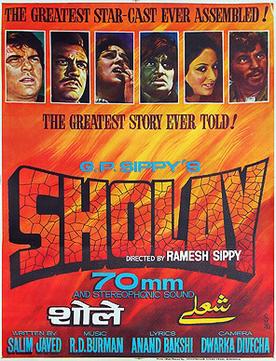
Starring
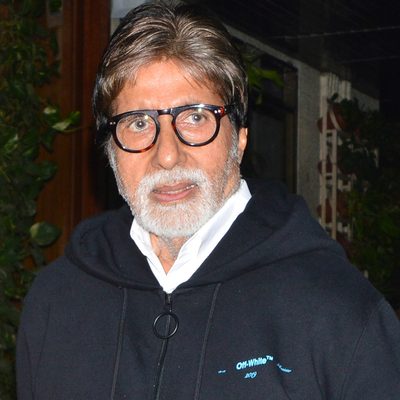
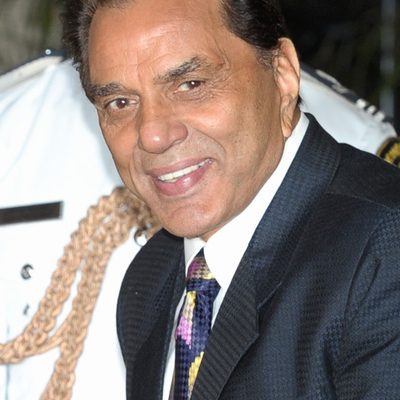
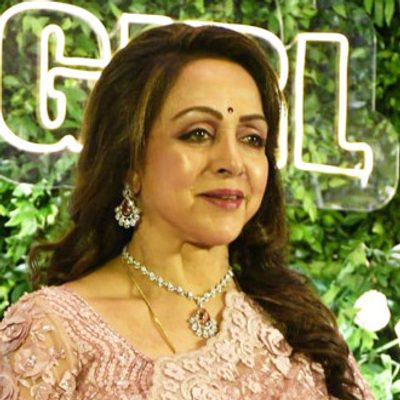
The story
Released on 15 August 1975, Sholay is the tale of Ramgarh, a dusty village terrorised by the dacoit Gabbar Singh (Amjad Khan). Thakur Baldev Singh (Sanjeev Kumar), a retired policeman with a personal score to settle, hires two small-time crooks he once arrested — the wisecracking Veeru (Dharmendra) and the cool, laconic Jai (Amitabh Bachchan) — to hunt the bandit down. What begins as a job for money slowly becomes something larger as the pair are drawn into the life of the village.
Around that spine, writers Salim Khan and Javed Akhtar braided romance, comedy and tragedy: Veeru's boisterous courtship of the chatterbox tonga-driver Basanti (Hema Malini), and Jai's wordless bond with Thakur's widowed daughter-in-law Radha (Jaya Bhaduri). The film openly wears its love of the Hollywood and spaghetti Western — the village-hires-gunmen premise recalls The Magnificent Seven and Seven Samurai, the mood and the train ambush echo Sergio Leone — but Sippy fused those influences with song, melodrama and Hindi-film sentiment into something wholly its own, the template later critics dubbed the 'masala' film or the curry Western.
Making of the film
Directed by Ramesh Sippy and produced by his father G. P. Sippy, Sholay was an act of sheer ambition. Shooting stretched across roughly two and a half years from October 1973 in the boulder-strewn hills of Ramanagara near Bangalore, where a whole village set was built to stand in for the fictional Ramgarh. It was India's first film released in 70mm widescreen with a stereophonic soundtrack, made on a then-enormous budget of about two crore rupees.
Casting turned out to be one of cinema's great near-misses. Gabbar Singh was first offered to Danny Denzongpa, who was unavailable because he was shooting Feroz Khan's Dharmatma. The relatively unknown Amjad Khan got the role and was very nearly dropped when Javed Akhtar worried his voice was too weak to menace an audience. Khan prepared by reading Abhishapta Chambal, an account of real Chambal dacoits, and turned a supporting villain into the most quoted performance in Indian film history — the editorial verdict that Gabbar became cinema's most iconic villain is one few Indians would argue with.
The music and the dialogue
R. D. Burman's score, with lyrics by Anand Bakshi, gave the film songs that never left the national songbook: the friendship anthem 'Yeh Dosti Hum Nahin Todenge', the Holi celebration 'Holi Ke Din', and the smouldering 'Mehbooba Mehbooba', which Burman sang himself and adapted from the Greek singer Demis Roussos's 'Say You Love Me'.
Just as remarkable was the film's spoken word. The dialogue was released as a separate audio record and sold in huge numbers, turning lines into playground currency across India. 'Kitne aadmi the?' (How many men were there?), 'Jo dar gaya, samjho mar gaya' (He who is scared is dead) and Gabbar's rasping questions to his terrified henchman Sambha are quoted to this day — a rare case of a film's screenplay becoming as beloved as its songs.
Box office and slow-burn triumph
Sholay's legend obscures a nervous start: it opened to lukewarm reviews and thin early crowds, and the makers reportedly considered reshooting. Word of mouth rescued it, and within weeks it became an unstoppable phenomenon, running for 286 weeks — more than five years — at Bombay's Minerva theatre and notching a record 60 golden jubilees (50-week runs) around the country.
In numbers widely reported since, the film earned around 15 crore net in its initial Indian run and remained the highest-grossing Indian film for close to two decades, until Hum Aapke Hain Koun..! in 1994. Adjusted for inflation it is routinely named the biggest Indian box-office hit of all time. It even drew tens of millions of viewers in the Soviet Union, a rare crossover for a Hindi film of its era.
Why it matters
More than any single hit, Sholay reset the ambitions of popular Hindi cinema. It proved a film could be an event — bigger sound, bigger canvas, bigger characters — and it made stars of its writers, cementing Salim-Javed as the first screenwriters the public knew by name. Director Shekhar Kapur famously said Indian film history could be divided into Sholay BC and Sholay AD.
The honours have piled up over 50 years: the BBC named it the 'Film of the Millennium' in a 1999 poll, it was voted Best Film of 50 Years at the 2005 Filmfare Awards, and it topped numerous 'greatest Indian films' lists. In 2025 a fully restored 'Sholay: The Final Cut' — reinstating the censored original ending in which Thakur kills Gabbar himself — returned the film to the big screen, proof that half a century on, Ramgarh still packs the house.
Key details
| Release year | 1975 |
|---|---|
| Language | Hindi |
| Director | Ramesh Sippy |
| Writer | Salim |
| Genre | Action Adventure |
| Starring | Amitabh Bachchan, Dharmendra, Hema Malini, Amjad Khan |
Did you know?
- Amjad Khan was the second choice for Gabbar Singh — the role was first offered to Danny Denzongpa, who was busy shooting Feroz Khan's Dharmatma. Khan was almost dropped when writer Javed Akhtar felt his voice was too weak for the villain.
- Sholay was the first Indian film released in 70mm widescreen with a stereophonic soundtrack, filmed over roughly two and a half years in the rocky hills of Ramanagara, Karnataka, which stood in for the fictional village of Ramgarh.
- The film's dialogue was pressed onto a separate gramophone record that sold in huge numbers — a first for Indian cinema, where a film's spoken lines became as popular as its songs.
- 'Mehbooba Mehbooba' was adapted by composer R. D. Burman from Greek pop singer Demis Roussos's 'Say You Love Me', and Burman sang the track himself.
- Sholay ran for a record 286 weeks — over five years — at Bombay's Minerva theatre and remained the highest-grossing Indian film for nearly two decades until 1994's Hum Aapke Hain Koun..!
- Censors forced a change to the ending: the original cut had the armless Thakur crush Gabbar with his spiked sandals, but the theatrical release had police arrive to arrest the bandit instead. The original ending was restored in the 2025 4K 'Final Cut'.
Frequently Asked Questions
Is Sholay based on a Hollywood film?
Sholay is not a remake, but it openly drew on the Western genre. Its premise of a village hiring gunmen to fight a bandit recalls The Magnificent Seven and Kurosawa's Seven Samurai, while its mood and the train-ambush sequence evoke Sergio Leone's spaghetti Westerns. Writers Salim-Javed and director Ramesh Sippy blended these influences with Hindi-film song, romance and melodrama into an original 'curry Western'.
Was Sholay actually a flop when it first released?
It very nearly was. Sholay opened on 15 August 1975 to lukewarm reviews and disappointing early crowds, and the makers reportedly weighed reshooting parts of it. Strong word of mouth turned it around within weeks, and it went on to become the biggest blockbuster in Indian cinema history.
Why was Sholay's ending changed?
The original ending had the armless Thakur kill Gabbar Singh himself by crushing him with spiked sandals. Film censors, wary of vigilante violence during the Emergency era, required a tamer version in which the police arrive to arrest Gabbar. The director's original ending was reinstated in the restored 2025 'Sholay: The Final Cut'.
Who was first choice to play Gabbar Singh?
Danny Denzongpa was the first choice for Gabbar Singh but had to decline because he was already committed to Feroz Khan's Dharmatma. The part went to the then little-known Amjad Khan, who nearly lost it over concerns about his voice before delivering what is widely called the most iconic villain performance in Indian cinema.
Where was Sholay filmed?
Sholay was shot largely in the rocky, boulder-strewn terrain of Ramanagara, near Bangalore in Karnataka, where the crew built a village set to represent the fictional Ramgarh. Filming stretched over roughly two and a half years beginning in October 1973.
Is Sholay the highest-grossing Indian film ever?
Sholay earned around 15 crore net in its initial run and stayed the highest-grossing Indian film for close to 20 years, until Hum Aapke Hain Koun..! in 1994. When box-office figures are adjusted for inflation, Sholay is still routinely ranked as the biggest Indian hit of all time.
Reference: Wikipedia
← Back to the Bollywood Hub