
'%3E%3Crect%20width%3D'96'%20height%3D'96'%20fill%3D'%231B5E20'%2F%3E%3Ccircle%20cx%3D'30'%20cy%3D'24'%20r%3D'44'%20fill%3D'%23fff'%20opacity%3D'.12'%2F%3E%3Ccircle%20cx%3D'60'%20cy%3D'74'%20r%3D'40'%20fill%3D'%23000'%20opacity%3D'.10'%2F%3E%3C%2Fg%3E%3Cg%3E%3Ccircle%20cx%3D'48'%20cy%3D'48'%20r%3D'15'%20fill%3D'%23fff'%2F%3E%3Cpath%20d%3D'M43%2034%20Q50%2048%2043%2062'%20fill%3D'none'%20stroke%3D'%238a94a6'%20stroke-width%3D'2.4'%2F%3E%3Cpath%20d%3D'M47%2033%20Q54%2048%2047%2063'%20fill%3D'none'%20stroke%3D'%238a94a6'%20stroke-width%3D'1.8'%20stroke-dasharray%3D'1.5%203'%2F%3E%3C%2Fg%3E%3C%2Fsvg%3E)
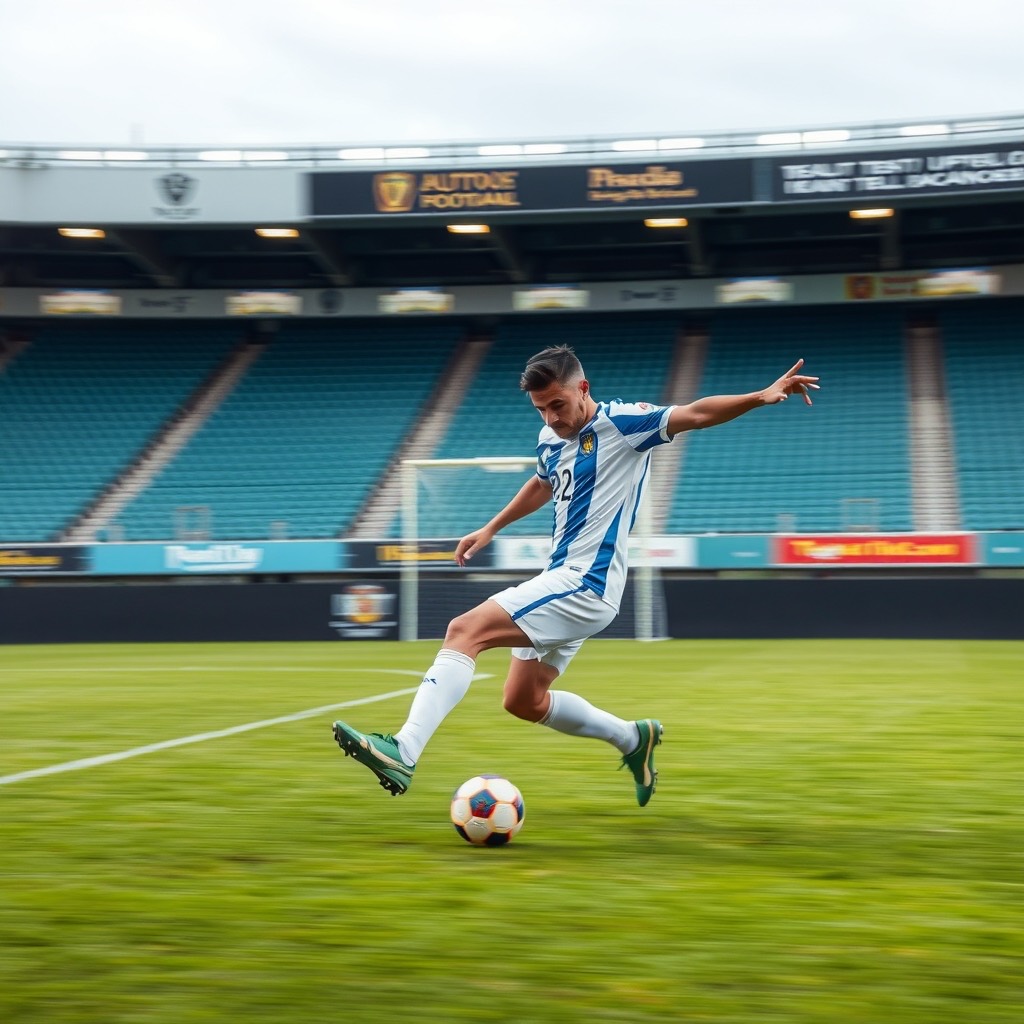
Ninety minutes could not separate them; a system could. When Ferran Torres swept the ball home in extra time at the New York/New Jersey Stadium, Spain did not so much beat Argentina as calmly dismantle them — 1-0, unbeaten across eight matches, a single goal conceded in the entire tournament. This was not luck. It was architecture, and it delivered a second world title, Spain’s first since 2010.
The Rodri screen and the tyranny of the ball
Everything began with control. Spain’s midfield, marshalled by Golden Ball winner Rodri, turned possession into a weapon of attrition. In the final he completed 101 of 105 passes and won roughly 80% of his duels — numbers that read less like a footballer’s night than a metronome’s. Sitting just ahead of the Pau Cubarsí–Aymeric Laporte pairing, Rodri screened every counter before it could form, recycling the ball and killing Argentina’s transitions at source. Deny Lionel Scaloni’s side the break and you deny them their game.
Width, pressing and the killer patience
With the centre locked, Spain worked the edges. Lamine Yamal and the wide men stretched Argentina’s block until it cracked, pinning full-backs and dragging markers across the pitch. The moment possession was lost, Luis de la Fuente’s side pressed high, choking off every outlet. When Enzo Fernández was sent off for a late lunge on Cubarsí, Spain simply squeezed harder, the extra man tilting an already tilted contest.
The finishing touch from the bench
De la Fuente’s masterstroke was his game management. Torres, introduced late, arrived with fresh legs into tiring defenders and produced the moment. Cubarsí, just 19, anchored a seventh clean sheet; Rodri collected the Golden Ball. Champions of Europe, now champions of the world — Spain won because the system, from screen to wing to bench, never once blinked.