CJP March To Parliament To Proceed Peacefully On July 20
CJP founder Abhijeet Dipke urges supporters to gather at Jantar Mantar, maintain peace. March demands Education Minister's resignation over exam irregularities.
'%3E%3Crect%20width%3D'96'%20height%3D'96'%20fill%3D'%231A5276'%2F%3E%3Ccircle%20cx%3D'30'%20cy%3D'24'%20r%3D'44'%20fill%3D'%23fff'%20opacity%3D'.12'%2F%3E%3Ccircle%20cx%3D'60'%20cy%3D'74'%20r%3D'40'%20fill%3D'%23000'%20opacity%3D'.10'%2F%3E%3C%2Fg%3E%3Cg%20fill%3D'%23fff'%3E%3Cpath%20d%3D'M31%2041%20L48%2031%20L65%2041%20Z'%2F%3E%3Crect%20x%3D'33'%20y%3D'43'%20width%3D'4'%20height%3D'17'%2F%3E%3Crect%20x%3D'41'%20y%3D'43'%20width%3D'4'%20height%3D'17'%2F%3E%3Crect%20x%3D'51'%20y%3D'43'%20width%3D'4'%20height%3D'17'%2F%3E%3Crect%20x%3D'59'%20y%3D'43'%20width%3D'4'%20height%3D'17'%2F%3E%3Crect%20x%3D'30'%20y%3D'62'%20width%3D'36'%20height%3D'4'%20rx%3D'1'%2F%3E%3C%2Fg%3E%3C%2Fsvg%3E)
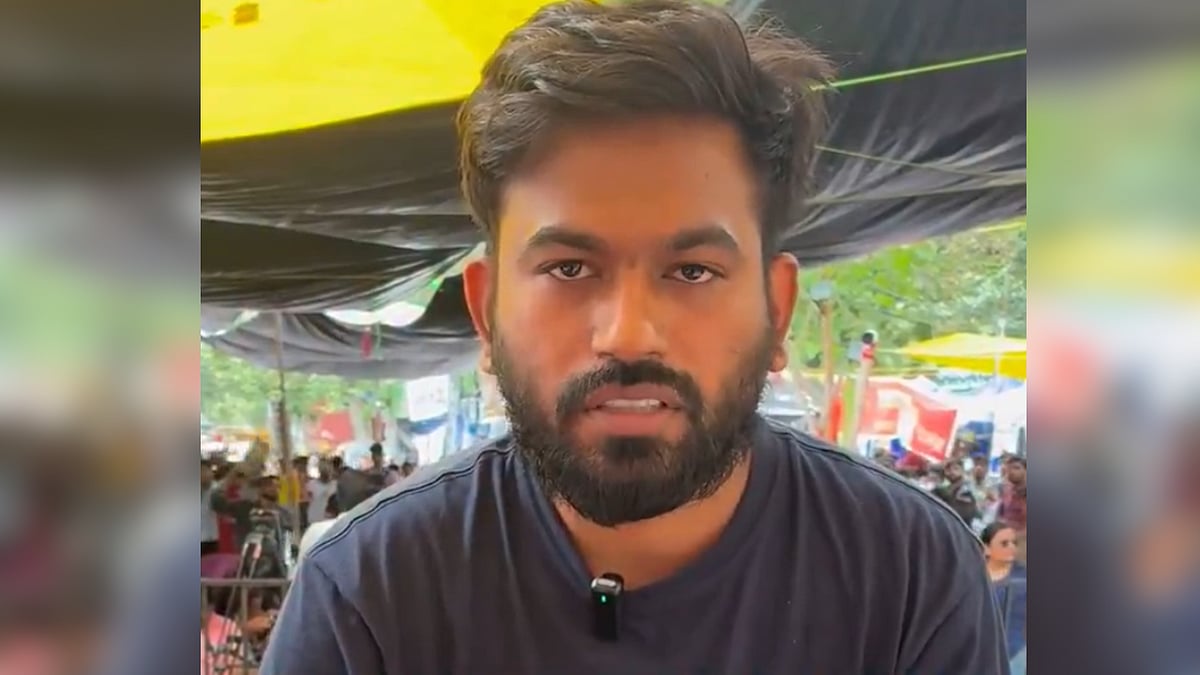
The Cockroach Janta Party (CJP) has confirmed that its march to Parliament, scheduled for July 20, will proceed as planned. Abhijeet Dipke, founder of the CJP, made a public appeal to supporters, urging them to assemble at Jantar Mantar in Delhi and maintain peace throughout the demonstration.
Dipke emphasized the importance of non-violence, stating that anyone who creates disruptions or raises negative slogans cannot be considered a supporter of the CJP or its leader, Sonam Wangchuk. The march is part of an ongoing protest demanding the resignation of Union Education Minister Dharmendra Pradhan over alleged irregularities in the NEET examination and other examination paper leak controversies.
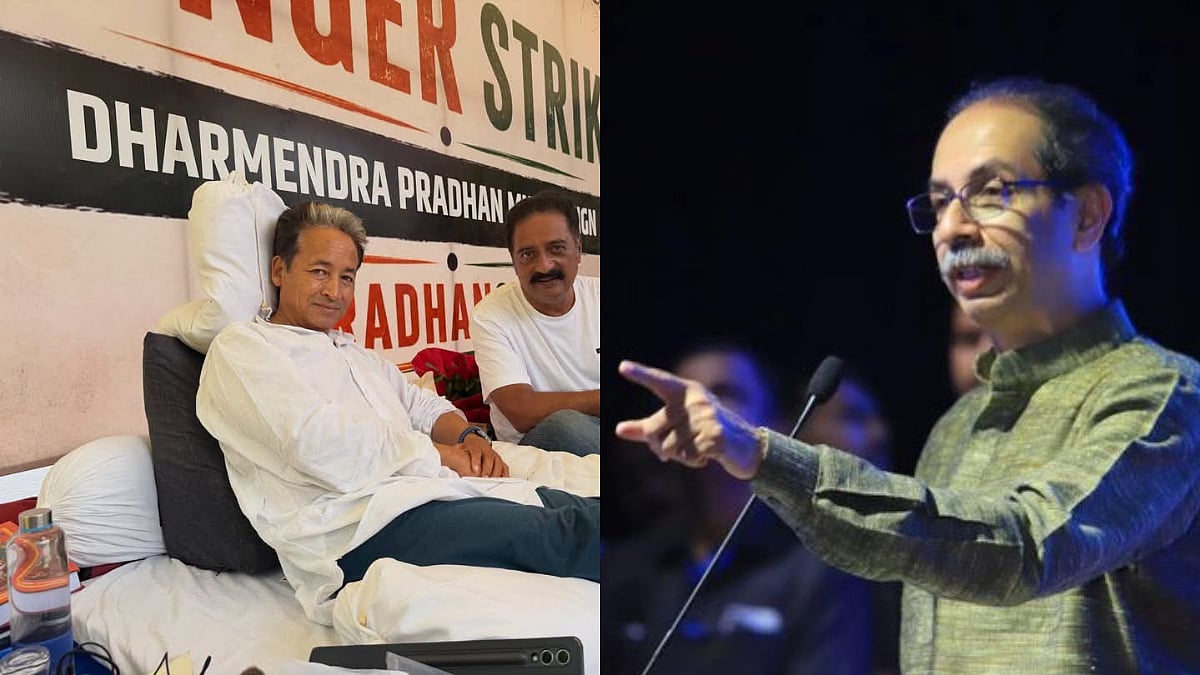
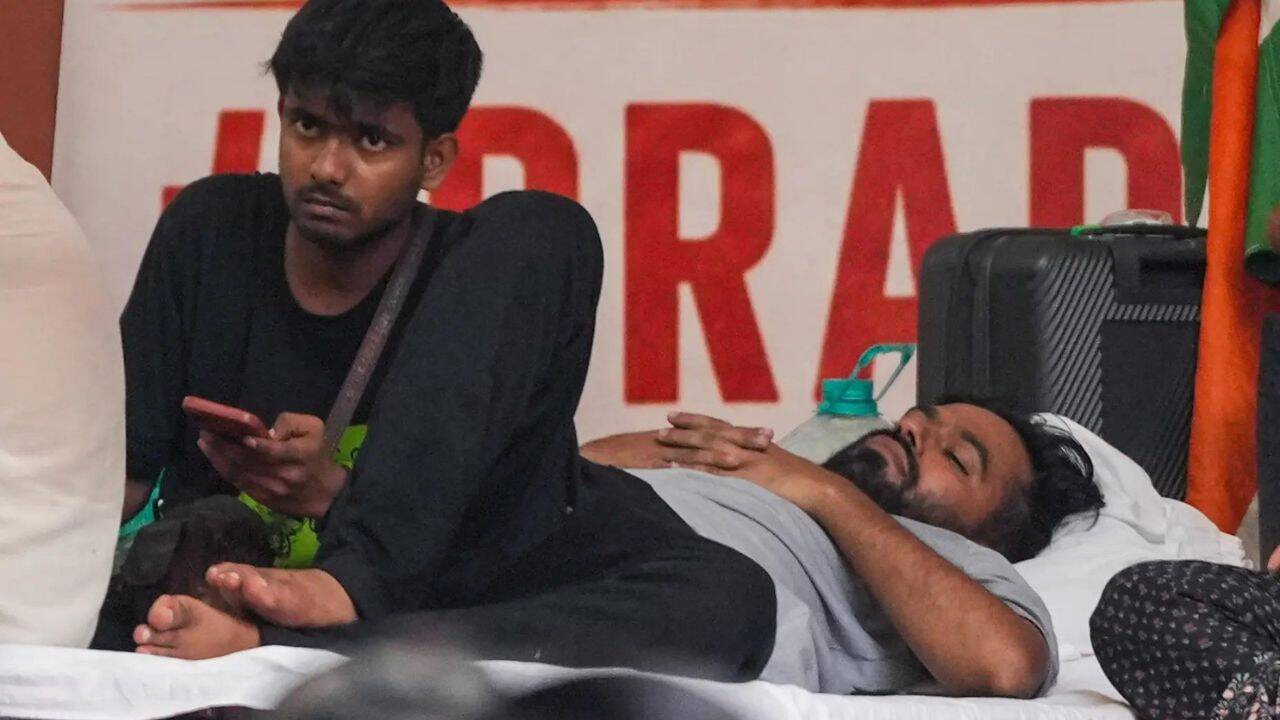
The CJP's movement gained momentum after activist Sonam Wangchuk's 20-day hunger strike, which ended with his hospitalization due to deteriorating health. The group has been organizing demonstrations at Jantar Mantar, calling for greater accountability and transparency in India's examination system and governance.
The CJP emerged as a satirical youth-led movement after supporters embraced the 'cockroach' label, which was initially used in a controversial remark linked to the examination protests. Since then, the group has continued to organize peaceful demonstrations, emphasizing the need for reform in the country's education system.
The march on July 20 is expected to be a significant event, with supporters from across the country gathering at Jantar Mantar to voice their concerns. Dipke's appeal for peace and non-violence is seen as an effort to ensure that the demonstration remains peaceful and focused on the core issues.
The CJP's demands for accountability and transparency in the education system have resonated with many young people, who feel that the current system is flawed and in need of reform. The group's use of satire and humor has also helped to draw attention to the issue and mobilize support.
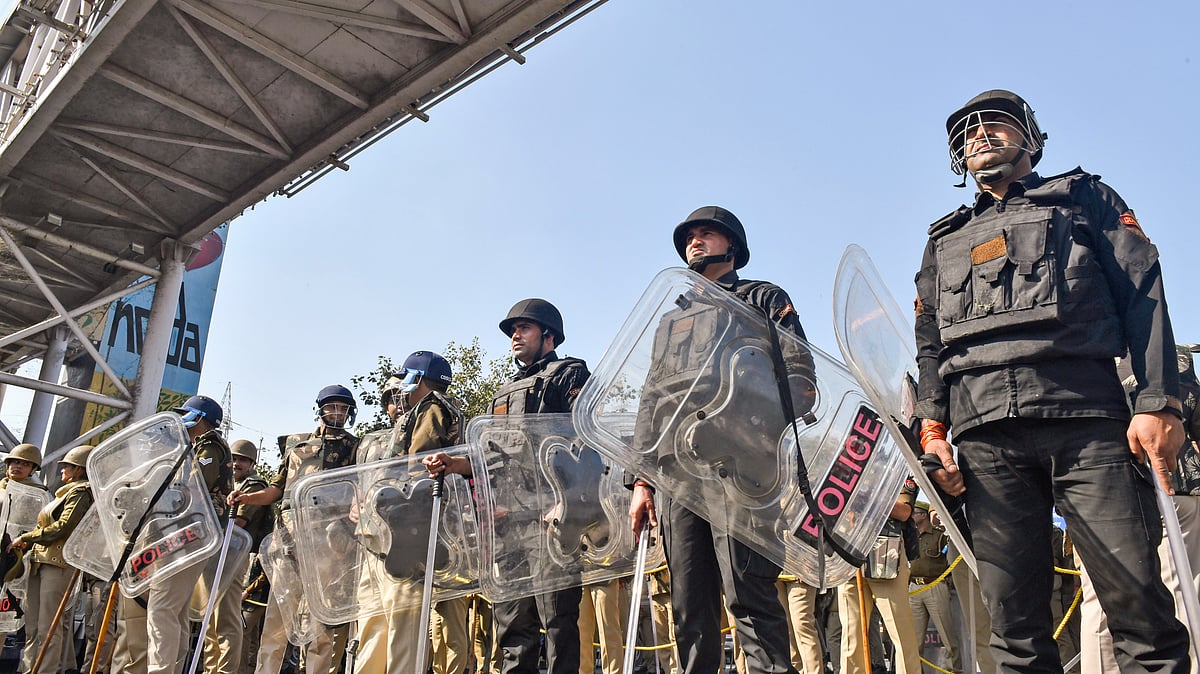
As the march approaches, the CJP is likely to face scrutiny from authorities and critics, who may view the demonstration as a disruption to public order. However, the group's emphasis on peace and non-violence is seen as an effort to mitigate these concerns and ensure that the demonstration remains a peaceful and productive expression of public opinion.
The outcome of the march and the CJP's ongoing protest is uncertain, but one thing is clear: the group has already succeeded in drawing attention to the issue of exam irregularities and the need for reform in India's education system. As the country continues to grapple with these challenges, the CJP's movement is likely to remain a significant force in the debate.
In the broader context, the CJP's protest highlights the growing dissatisfaction among young people with the current state of India's education system. The group's demands for accountability and transparency are seen as a reflection of the wider desire for reform and improvement in the country's governance and institutions.
Overall, the CJP's march to Parliament on July 20 is an important event that highlights the need for peaceful and constructive dialogue on the issues facing India's education system. As the country moves forward, it is likely that the CJP's movement will continue to play a significant role in shaping the debate and pushing for reform.